

Choosing the right custom dough mixer manufacturer is essential for bakeries that want consistent product quality, efficient production, and reliable equipment. A suitable supplier should understand your recipes, batch sizes, and production workflow, offering machinery tailored to your operational requirements.
1. Evaluate Manufacturing Experience
A professional dough mixer manufacturer should have experience in food processing equipment, mechanical design, and commercial bakery operations. Dough mixing performance depends on factors such as flour type, hydration level, batch size, mixing speed, and temperature.
Before selecting a supplier, review its manufacturing facilities, product range, quality control procedures, and customization capabilities.
Yunova Food Machinery Co., Ltd. was established in 2010 and specializes in food processing equipment. Its production facility covers approximately 3,500 square meters and operates four production lines. The company supplies machinery for bakery and noodle processing, providing customized solutions according to customer requirements.
2. Select the Right Mixer for Your Production
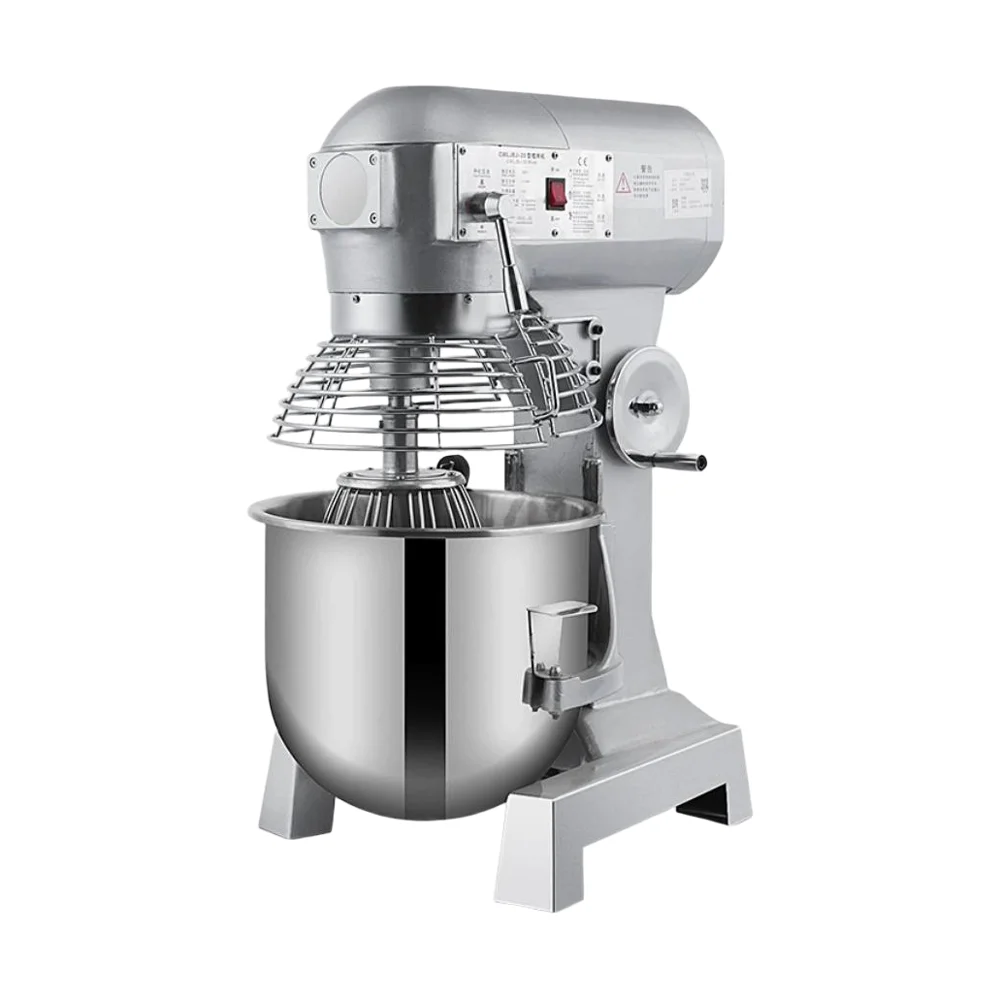
Different bakeries require different mixing equipment. Spiral mixers are commonly used for bread and pizza dough, while planetary mixers offer greater versatility for cake batters, creams, and other preparations. Horizontal mixers may be suitable for specialized large-scale production.
When choosing a machine, consider daily output, batch size, flour capacity, available space, and production schedules. It is also important to clarify whether the manufacturer's stated capacity refers to bowl volume, flour weight, or finished dough weight.
A reliable custom dough mixer manufacturer should recommend equipment based on actual production requirements rather than nominal capacity alone.
3. Consider Customization and Technical Support
Customization allows bakeries to obtain equipment that fits their specific production processes. Depending on the machine, options may include bowl dimensions, motor power, mixing speed, electrical specifications, control systems, and overall layout.
For international buyers, voltage and frequency compatibility should be confirmed before production. Machine dimensions and installation requirements should also be reviewed to ensure the equipment fits the existing workspace.
Yunova Food Machinery provides customized food processing equipment and technical support. Buyers can discuss their recipes, required output, and preferred machine configuration to identify an appropriate solution.
4. Check Build Quality and Food Safety
Commercial dough mixers must withstand frequent operation and regular cleaning. Important considerations include structural stability, motor performance, transmission components, and food-contact materials.
Stainless steel is commonly used for food-contact parts because of its durability and suitability for hygienic processing when properly specified and maintained. Buyers should confirm material grades, cleaning procedures, safety devices, and relevant compliance documents.
Maintenance access is equally important. Ask about routine inspection, lubrication, replacement parts, overload protection, and emergency stop functions. Yunova states that its food-contact parts comply with international safety regulations; buyers should request supporting documentation for the specific model they intend to purchase.
5. Compare After-Sales Service and Total Cost
The value of a dough mixer involves more than its initial purchase price. Energy consumption, cleaning time, maintenance, installation, operator training, and spare-part availability all affect long-term operating costs.
Before ordering, clarify warranty coverage, delivery arrangements, technical support, operating manuals, and replacement-part policies. Yunova Food Machinery states that it provides lifetime technical assistance for after-sales service, which is an important point for prospective customers to discuss when evaluating long-term support.
When comparing quotations, make sure the machines have equivalent capacities, configurations, and service conditions.
6. Complete a Purchasing Checklist
Before confirming an order, review these essential details:
-
Capacity: Match batch size and daily output to production needs.
-
Mixing performance: Confirm suitability for your dough types and recipes.
-
Configuration: Check dimensions, motor power, controls, and electrical requirements.
-
Safety and materials: Review food-contact surfaces and protective devices.
-
Quality inspection: Request relevant testing and inspection records.
-
After-sales support: Confirm warranty terms, technical assistance, and spare-parts availability.
If possible, arrange a demonstration or mixing test using a representative recipe. This provides a practical way to evaluate equipment performance before making a purchasing decision.
Conclusion
Selecting a reliable custom dough mixer manufacturer requires careful consideration of manufacturing experience, mixing performance, customization, construction quality, and after-sales service. The ideal supplier should understand your bakery's production requirements and provide equipment that supports consistent and efficient operations.
With manufacturing experience dating back to 2010, a dedicated production facility, customized equipment capabilities, and technical assistance, Yunova Food Machinery Co., Ltd. is worth considering when evaluating bakery machinery suppliers. By confirming specifications, testing equipment, and reviewing service arrangements in advance, bakeries can make a more informed investment in their production equipment.
www.yunovamachinery.com
Yunova Food Machinery Co., Ltd