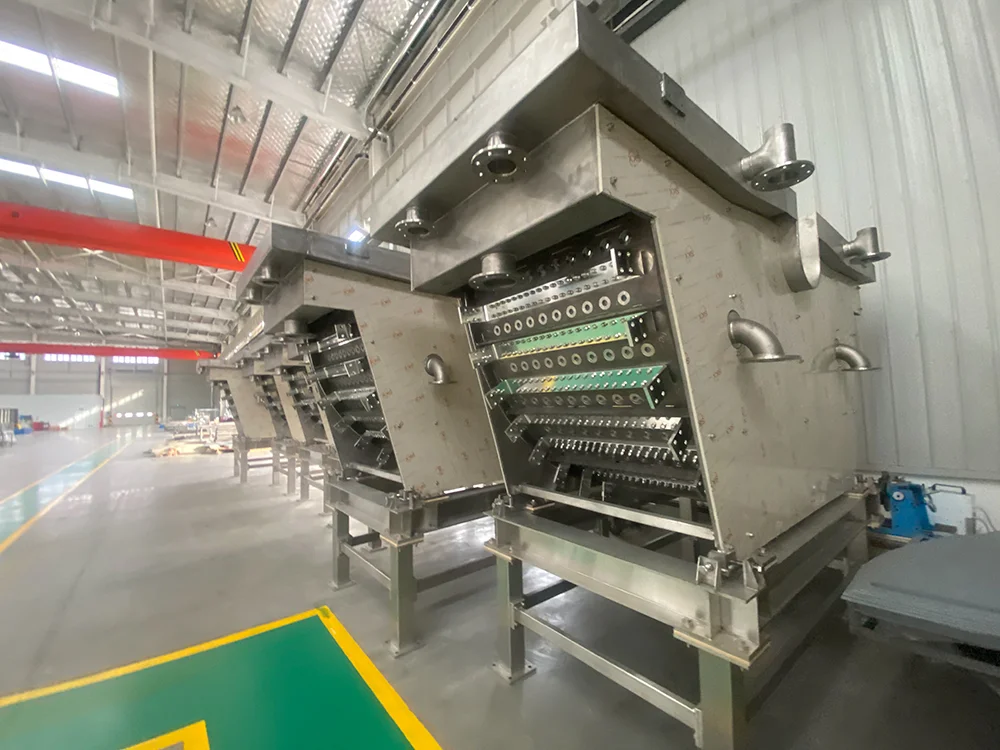

In modern surface treatment manufacturing, water is no longer just a supporting resource—it is a core process medium that directly determines product quality, production stability, and chemical efficiency. Whether in electroplating, phosphating, electrophoretic coating, or precision cleaning lines, the purity of process water has a direct impact on coating performance and final surface appearance.
As industrial quality standards continue to rise, even trace levels of contamination in water can lead to defects, unstable chemical reactions, and increased production costs. This is why pure water treatment systems have become a critical part of advanced manufacturing infrastructure.
The Critical Role of Water in Surface Treatment Processes
In surface treatment production lines, water is used at nearly every stage of the process:
-
Pre-cleaning and degreasing
-
Rinsing after electroplating
-
Chemical bath preparation
-
Phosphating processes
-
Final precision cleaning
Although water may appear to be a simple input, it actually plays a decisive role in:
-
Coating adhesion quality
-
Surface uniformity
-
Corrosion resistance
-
Chemical bath stability
-
Defect rate control
Even small amounts of dissolved salts, organic matter, or microscopic particles can disrupt electrochemical reactions on metal surfaces, leading to inconsistent product quality.
Why Conventional Water Treatment Is Not Enough
Traditional filtration systems are mainly designed to remove visible impurities such as suspended solids and large particles. However, in precision industrial environments, this level of treatment is insufficient.
Modern surface treatment processes require water that is free from:
-
Dissolved ions
-
Conductive minerals
-
Organic contaminants
-
Microorganisms
-
Fine particulate residues
If these impurities remain in the water, they can cause:
-
Uneven coating thickness
-
Pinholes and surface defects
-
Poor adhesion of metal layers
-
Instability in chemical baths
-
Increased maintenance frequency
To meet modern production requirements, advanced purification technologies are essential.
What Makes Pure Water Treatment Equipment Different
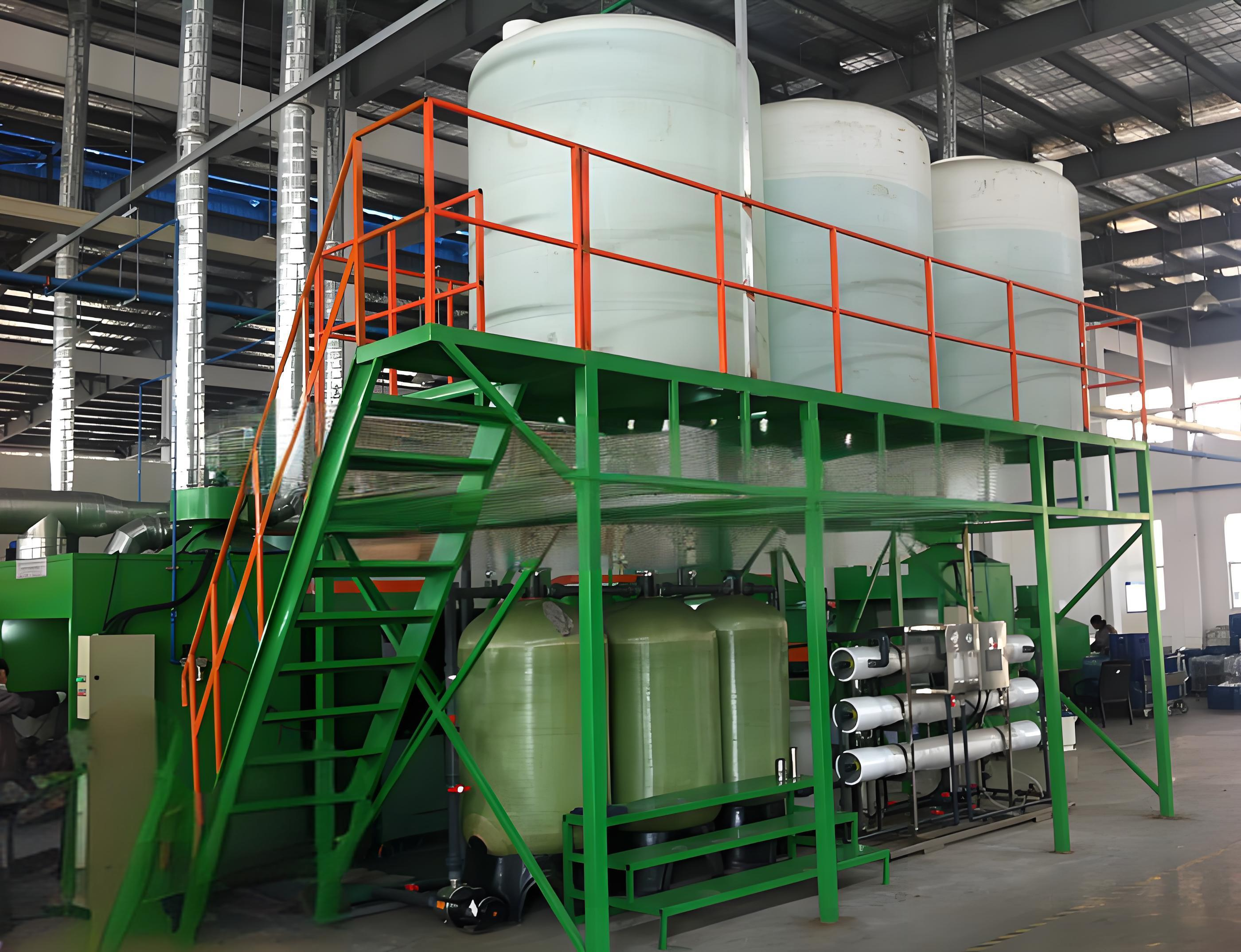
Pure water treatment systems are not simple filtration units. They are multi-stage purification platforms designed to produce ultra-low conductivity water suitable for high-precision industrial applications.
1. Pre-Treatment Stage
This stage removes:
-
Suspended solids
-
Large particles
-
Chlorine and organic impurities
It protects downstream systems and improves overall efficiency.
2. Reverse Osmosis (RO) System
The RO system is a core purification stage that removes:
-
Dissolved salts
-
Heavy metal ions
-
Small organic molecules
This significantly reduces water conductivity and prepares it for further purification.
3. Ion Exchange / EDI System
The final stage achieves ultra-pure water by removing remaining ionic contaminants, producing water with:
-
Extremely low conductivity
-
High chemical stability
-
Minimal impurity content
This level of purity is essential for sensitive surface treatment processes.
Why Ultrapure Water Is Critical in Electroplating
Electroplating is highly sensitive to water quality. Even minor contamination can significantly affect deposition behavior.
Impure water may lead to:
-
Uneven metal deposition
-
Surface dullness or poor gloss
-
Weak coating adhesion
-
Pitting or blistering defects
By contrast, ultrapure water helps ensure:
-
Stable plating bath conditions
-
Consistent coating quality
-
Reduced defect rates
-
Lower rework and scrap levels
Impact on Phosphating and Coating Processes
In phosphating and electrophoretic coating systems, water quality directly affects chemical reaction behavior.
Poor water quality can result in:
-
Irregular phosphate crystal formation
-
Reduced corrosion resistance
-
Surface discoloration
-
Poor coating adhesion
Pure water ensures controlled reaction conditions, improving both appearance and long-term performance of coated products.
Precision Cleaning and Final Rinse Applications
In precision cleaning processes, the final rinse stage is the last opportunity to control surface quality.
If water contains impurities:
-
Residues may remain after drying
-
Water spots may form
-
Contamination may transfer to assembly processes
Ultrapure water eliminates these risks, ensuring:
-
Spot-free surfaces
-
High cleanliness consistency
-
Improved downstream reliability
Energy and Chemical Efficiency Benefits
Beyond quality improvements, pure water treatment systems also enhance operational efficiency.
They help manufacturers:
-
Reduce chemical consumption
-
Extend bath service life
-
Lower wastewater treatment loads
-
Improve recycling efficiency
This results in more stable and cost-effective long-term production.
Environmental Compliance and Sustainable Manufacturing
With stricter environmental regulations in industrial sectors, clean production has become a key requirement.
Pure water systems support compliance by:
-
Reducing wastewater contamination
-
Enabling water recycling
-
Lowering discharge levels
-
Improving overall resource efficiency
Manufacturers such as Wuxi Green Machinery Co., Ltd. focus on integrating energy-saving and emission-reduction technologies into surface treatment system design, supporting sustainable industrial development.
Integration into Modern Automated Production Lines
One of the key advantages of modern pure water treatment systems is seamless integration into automated production environments.
They can be directly connected to:
-
Electroplating lines
-
Phosphating systems
-
Coating production lines
-
Precision cleaning stations
This ensures continuous water quality control throughout the entire production process.
Why Stability Matters in Automation
As production lines become more automated, process stability becomes increasingly important.
Unstable water quality can cause:
-
Chemical dosing fluctuations
-
Sensor errors
-
Process instability
-
Unexpected downtime
Stable ultrapure water supply ensures consistent operating conditions and reliable automated performance.
Conclusion
Pure water treatment systems are no longer auxiliary equipment in surface treatment industries—they are core process infrastructure.
From electroplating and phosphating to precision cleaning and coating applications, water purity directly influences product quality, production efficiency, and environmental compliance.
By using advanced multi-stage purification technologies such as RO and ion exchange systems, manufacturers can achieve stable ultrapure water supply that supports high-quality and sustainable production.
As industrial standards continue to evolve, investing in reliable pure water treatment solutions has become essential for maintaining competitiveness in modern surface treatment manufacturing.
This makes water purity a critical control parameter rather than a secondary concern.
www.wxlvye.com
Wuxi Green