
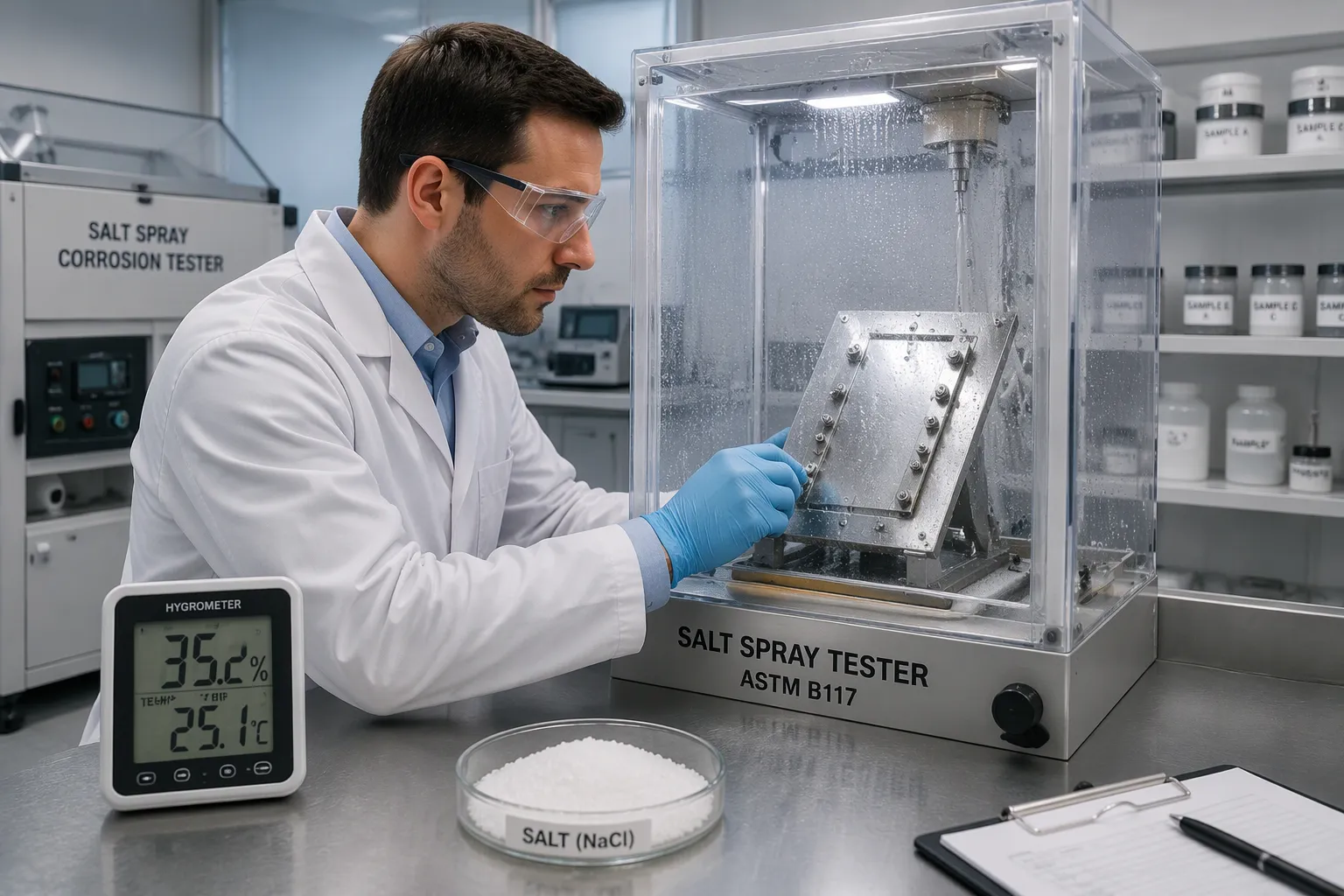
High-salt, humid conditions attack metal on two fronts. Chloride ions break down passive films, and repeated wet-dry humidity cycles drive pitting and crevice corrosion. Three solution areas address this problem: the right material, the right surface finishing, and durability built into manufacturing. Combining all three delivers reliable, long-term corrosion resistance. This article from Qingdao Xuxiangtai Machinery Manufacturing Co., Ltd. explains how each layer works together.
Key Takeaways
- Combine the right material, surface finish, and smart manufacturing to beat salt and humidity.
- Match your material and finish to the real service environment for the best protection.
- Compare total cost over years of service, not just the initial price.
Corrosion Challenges in High-Salt and Humid Environments
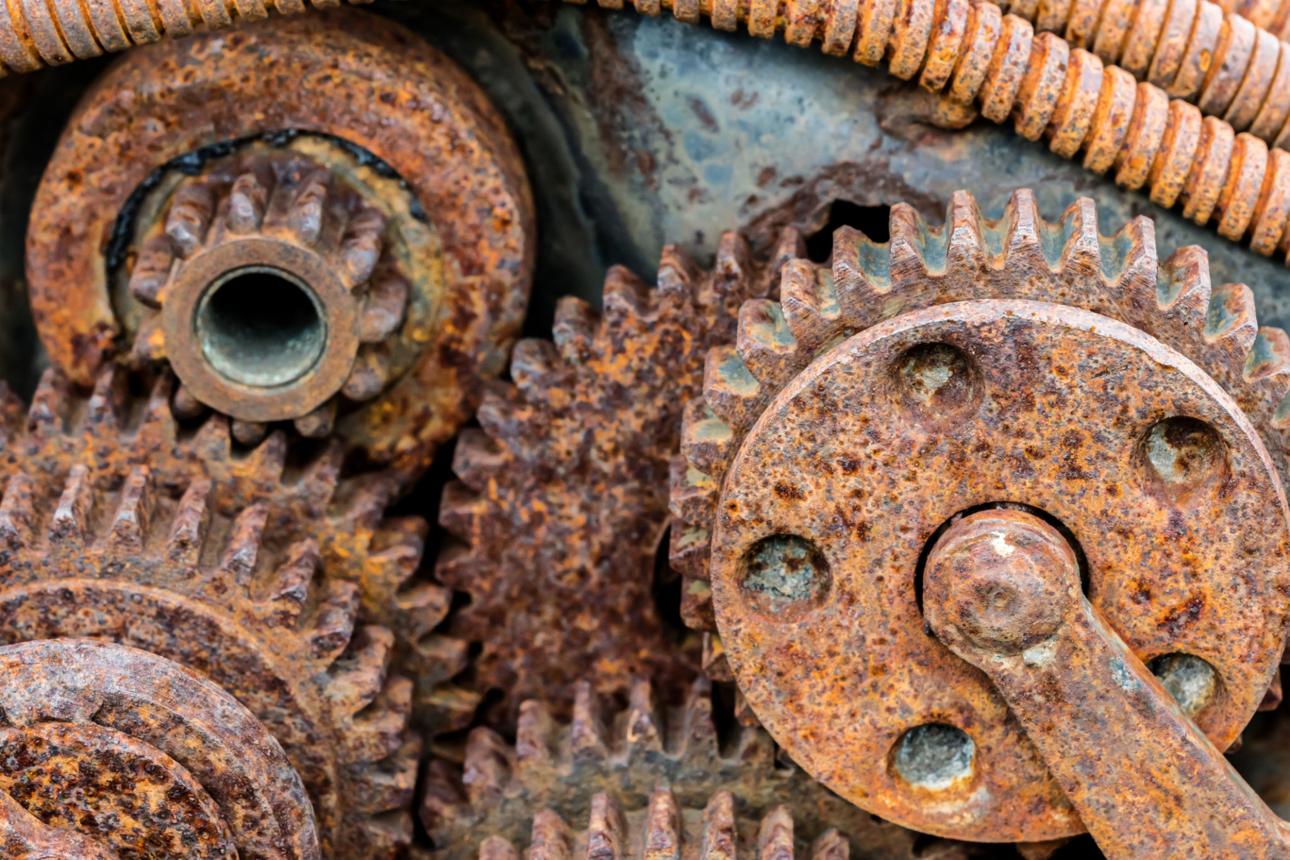
Salt and moisture create one of the most aggressive settings for metal components. Coastal air, marine equipment, and industrial wash-down areas all expose parts to this combination. Understanding the mechanisms helps engineers specify the right protection.
How Chloride Ions Attack Metal Surfaces
Chloride ions drive the corrosion process. These ions are small and highly mobile. They penetrate the thin passive oxide film that protects metals such as stainless steel. Once the film breaks down at a weak point, the exposed metal becomes an active anode. The surrounding oxide film acts as a cathode. A small corrosion cell forms, and the metal dissolves rapidly at that spot. Chloride concentration, temperature, and oxygen availability all influence the attack rate.
The Role of Humidity Cycles in Accelerated Corrosion
Constant moisture alone causes steady corrosion. Repeated wet-dry cycles make the problem worse. During the wet phase, a thin electrolyte layer forms on the surface and enables ion transport. During the dry phase, oxygen returns to the surface and the electrolyte concentrates. Each cycle restarts the corrosion cell and pushes the attack deeper. Condensation from temperature swings produces the same effect indoors. Components that never fully dry therefore degrade faster than parts kept continuously wet.
Common Failure Modes: Pitting, Crevice, and Galvanic Corrosion
Three failure modes dominate in salt-laden, humid service. Pitting corrosion creates deep, narrow cavities that penetrate wall thickness with little visible warning. Crevice corrosion develops in gaps under washers, gaskets, and lap joints, where stagnant chloride-rich liquid collects. Galvanic corrosion occurs when two dissimilar metals touch in the presence of an electrolyte. The less noble metal becomes the anode and corrodes at an accelerated rate. Designers must recognize all three modes, because each one demands a different countermeasure.
Material Selection for Corrosion Resistance
Material selection is the foundation of every corrosion-protection strategy. A well-chosen alloy resists chloride attack at its surface. A poor choice fails quickly, no matter how good the coating or the workmanship. Engineers therefore evaluate candidates against four criteria before they commit to a specification.
Key Selection Criteria: Performance, Fit, Compliance, and Cost
Performance comes first. The material must survive the actual service environment, not a laboratory approximation. Salt concentration, temperature range, wet-dry frequency, and mechanical load all shape the corrosion response. A grade that performs well in a splash zone may fail badly in a permanently submerged joint.
Fit matters next. The material must suit the manufacturing process, the part geometry, and the assembly method. Some alloys cast easily and machine poorly. Others weld cleanly but resist deep drawing. A grade that fights the production process raises scrap rates and delays delivery.
Compliance sets the legal and contractual floor. Pressure ratings, industry standards, and environmental regulations often narrow the field before technical debate begins. Components for pressure service, for example, must meet recognized rating classes. Xuxiangtai manufactures structural components to Class 150, 300, 800, and 1600 pressure specifications, and the company holds IATF 16949 and RoHS certifications. These requirements frequently decide the shortlist.
Cost closes the evaluation. Purchase price is only one line. Total cost includes machining time, finishing steps, scrap allowance, and expected service life. A premium alloy that lasts three times longer often costs less per year of service than a cheap grade that fails early.
A material decision that ignores any one of these four criteria usually shifts the problem downstream, where correction costs far more.
Stainless Steel Grades and Their Best-Fit Applications
Stainless steel anchors most corrosion-resistant designs. The family covers a wide performance range, and each grade fits a distinct duty.
Austenitic grades dominate salt-exposed service. Grade 304 handles moderate coastal and industrial atmospheres at a favorable cost. Grade 316 adds molybdenum, which strengthens the passive film against chloride attack. Grade 316 suits marine hardware, chemical processing, and wash-down equipment. Grade 316L lowers the carbon content for welded assemblies, where carbide precipitation would otherwise drain corrosion resistance from the heat-affected zone. Grade 904L and the 6% molybdenum super-austenitics serve the most aggressive chloride settings, including hot seawater and concentrated brine.
Duplex and super-duplex grades combine austenitic and ferritic structures. They deliver high strength and strong chloride resistance, and they resist stress corrosion cracking better than standard austenitics. Offshore platforms, desalination plants, and high-pressure piping commonly specify them.
Ferritic and martensitic grades fit different roles. They cost less and offer useful properties, but their chloride resistance is limited. Designers reserve them for mild indoor environments or for parts that receive a protective coating.
| Grade Family | Chloride Resistance | Typical Best-Fit Application |
|---|---|---|
| 304 / 304L | Moderate | Indoor equipment, mild coastal air, food handling |
| 316 / 316L | Good | Marine hardware, chemical lines, wash-down areas |
| Duplex / Super-duplex | Very good | Offshore structures, desalination, high-pressure piping |
| 904L / Super-austenitic | Excellent | Hot seawater, concentrated brine, aggressive chemical service |
| Ferritic / Martensitic | Limited | Indoor parts, coated components, cost-sensitive housings |
Aluminum Alloys, Copper Alloys, and Specialty Metals Compared
Aluminum alloys offer low weight and good strength-to-weight ratios. They corrode differently from steel. A tough, self-healing oxide layer protects the surface, and the metal performs well in many atmospheric settings. Chloride exposure still demands care. Marine-grade alloys such as 5052 and 5083 resist salt water far better than general-purpose grades. Anodizing adds a further barrier and suits aluminum parts in coastal and marine service.
Copper alloys bring natural resistance to seawater and biofouling. Brass and bronze serve pumps, valves, and marine fittings, and they tolerate flowing salt water well. Designers watch for two limits. Ammonia and ammonium compounds attack copper alloys, and galvanic coupling to steel demands isolation.
Specialty metals cover the extreme end. Titanium resists chlorides, seawater, and oxidizing acids with a passive film of exceptional stability. Nickel alloys handle hot brine, reducing acids, and mixed chemical streams. These metals carry high material and machining costs, so engineers reserve them for critical parts where no cheaper option survives.
Each family has a best-fit zone. Aluminum wins where weight drives the design. Copper alloys win in seawater plumbing and wear service. Specialty metals win in the harshest chemical and thermal conditions. A fair comparison weighs each family against the actual duty cycle, not against a single headline property.
Matching Material Choice to Application Requirements
The final step connects material data to the real application. Engineers map the service environment first. They record chloride levels, temperature peaks, moisture patterns, and cleaning chemicals. They then review the mechanical duty, including load, fatigue, and wear. The manufacturing route follows, because casting, machining, and welding each favor different alloys.
Xuxiangtai supports this matching process through design-for-manufacturing reviews and spectral analysis of incoming material. The company casts stainless steel, carbon steel, and alloy steels through investment casting, and it machines finished parts to tight tolerances on multi-axis CNC equipment. This integrated view helps buyers avoid a common error: selecting a grade on corrosion data alone and discovering later that the alloy cannot be cast, welded, or machined economically.
A sound decision also plans for the finish. Some grades depend on passivation or electropolishing to reach full corrosion potential. Others rely on anodizing or coating. Material and finish therefore form a single specification, and the next section examines the finishing technologies that complete the protection system.
Surface Finishing and Coating Technologies
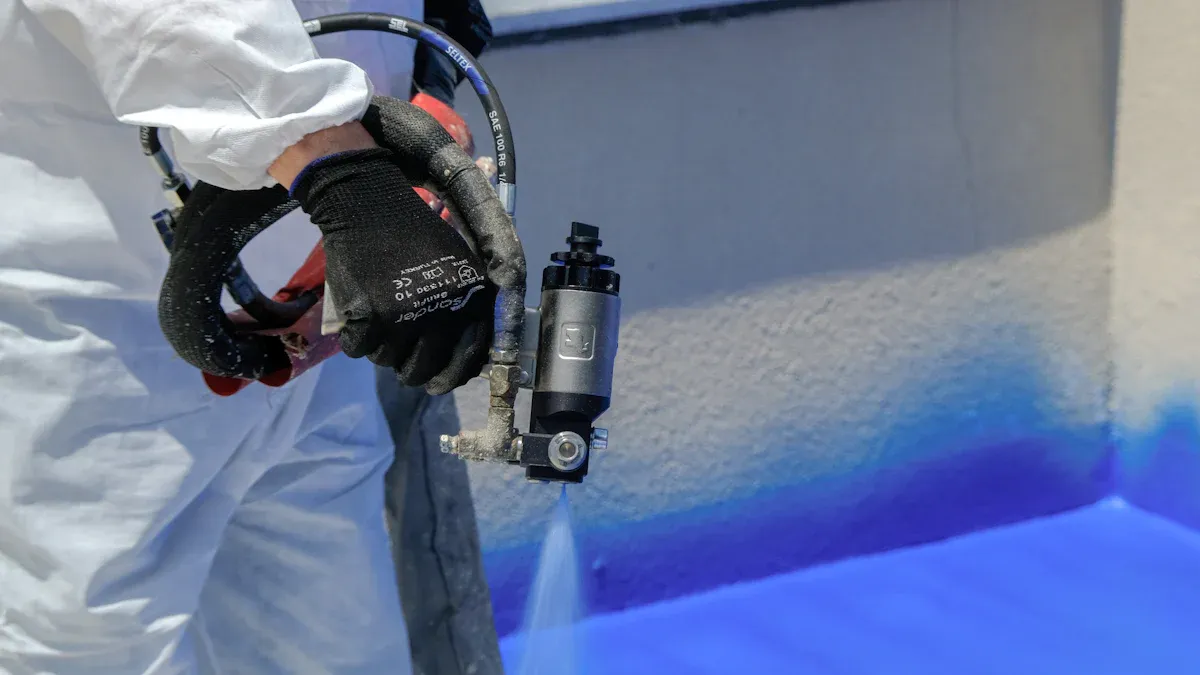
Material selection sets the corrosion baseline. Surface finishing raises that baseline and protects the weak points that every alloy carries. A finish works through one of three mechanisms. It rebuilds the passive film, it adds a sacrificial or barrier layer, or it seals the surface against electrolyte contact. Each mechanism fits a different set of environments and budgets.
Passivation and Electropolishing for Stainless Steel
Stainless steel owes its corrosion resistance to a passive film of chromium oxide. That film forms naturally in air. Machining, welding, and handling leave the surface contaminated with free iron, embedded tool particles, and heat tint. These contaminants break the film locally and seed pitting. Passivation removes them.
Passivation uses an acid bath, typically nitric or citric, to dissolve free iron from the surface. The treatment does not change the part dimensions or the surface appearance in a meaningful way. It restores the chromium oxide film to full strength. Citric passivation has become the common choice for general industrial parts. Nitric passivation remains the standard for certain aerospace and medical specifications. Both routes suit parts that need corrosion protection without a cosmetic change.
Electropolishing goes further. The process immerses the part in an electrolyte bath and applies a controlled current. The surface metal dissolves preferentially at microscopic high points. The result is a smoothed, bright surface with a chromium-enriched outer layer. Electropolished stainless steel resists pitting better than passivated steel in chloride service, because the surface carries fewer initiation sites. The finish also sheds product residue and cleans more easily, which matters in food, pharmaceutical, and semiconductor equipment.
Electropolishing carries a higher cost than passivation. It also demands careful racking and process control. Designers specify it for critical wetted surfaces, for hygienic equipment, and for parts that face concentrated chlorides. Passivation covers the broader range of general stainless fabrication at modest cost.
Electroplating, Electroless Plating, and Conversion Coatings
Plating deposits a metal layer onto the substrate. Electroplating drives the deposition with an external current. Zinc, nickel, chrome, and tin all serve as common plating metals. Zinc plating protects steel through a sacrificial mechanism. The zinc layer corrodes first and shields the steel beneath it. Nickel and chrome plating provide hardness, wear resistance, and a decorative barrier. Electroplating offers good thickness control and a wide property range. It struggles with recessed geometry, because current density drops inside cavities and coverage thins.
Electroless plating removes the current from the equation. A chemical reduction reaction deposits the metal uniformly across all wetted surfaces, including internal channels and blind holes. Electroless nickel-phosphorus coatings deliver uniform thickness and strong corrosion resistance. They suit complex machined parts and hydraulic components where electroplating cannot reach. The bath chemistry requires tighter control, and the process runs at a higher cost per part.
Conversion coatings change the surface chemistry rather than adding a metal layer. Chromate and phosphate conversion coatings form an integral protective film on aluminum, zinc, and steel. The film bonds well to subsequent paint or powder coats and improves adhesion. Dacromet coating, a zinc-aluminum flake system, offers a further option for high-corrosion fasteners and structural parts. It avoids hydrogen embrittlement, which makes it suitable for high-strength steel. Dacromet performs well in salt spray testing and suits automotive and marine hardware.
| Finish Type | Protection Mechanism | Best-Fit Application |
|---|---|---|
| Passivation | Restores chromium oxide film | General stainless fabrication, welded assemblies |
| Electropolishing | Smooths surface, enriches chromium layer | Hygienic equipment, wetted surfaces, concentrated chlorides |
| Electroplating | Sacrificial or barrier metal layer | Fasteners, decorative parts, wear surfaces |
| Electroless plating | Uniform chemical metal deposit | Complex machined parts, internal channels, hydraulics |
| Conversion coating | Integral chemical film | Paint base layers, aluminum and zinc parts |
| Dacromet | Zinc-aluminum flake barrier | High-strength fasteners, automotive, marine hardware |
Powder Coating, Painting, and Barrier Coatings
Barrier coatings seal the metal from the electrolyte. Powder coating applies a dry polymer powder and fuses it into a thick, continuous film under heat. The finish resists impact, abrasion, and chemical exposure. It carries no solvent emissions, and it builds a thicker film in a single pass than most liquid paints. Powder coating suits enclosures, frames, and structural parts in outdoor and industrial service. Edges and sharp corners need careful coverage, because thin spots there become corrosion entry points.
Liquid painting offers flexibility that powder cannot match. Wet paint reaches into tight geometry, covers large assemblies, and supports custom color matching at low volume. High-build epoxy and polyurethane systems deliver strong barrier performance in industrial and marine settings. Paint systems typically combine a primer for adhesion and cathodic protection with a topcoat for weather and chemical resistance. The full system matters more than any single layer.
Barrier coatings share one vulnerability. A scratch or chip exposes bare metal, and corrosion starts at the damage site. Coating selection therefore weighs film thickness, adhesion quality, and damage tolerance alongside raw corrosion data. Surface preparation decides the outcome. A coating applied over mill scale, oil, or rust fails early, no matter how good the product.
A barrier coating protects only as well as the surface preparation beneath it.
Choosing a Finish Based on Environment and Budget
Finish selection follows the environment first. Indoor, climate-controlled service tolerates a basic passivation or a thin conversion coating. Coastal and industrial atmospheres call for a stronger barrier, such as powder coating over a conversion coating, or an electropolished stainless surface. Marine and wash-down service demands the full stack: a corrosion-resistant alloy, a passivation or plating step, and a durable topcoat. Immersed and chemical-exposed parts often need electroless nickel or a specialty coating system.
Budget shapes the second decision. Cost per part includes chemicals, racking, masking, process time, and rework. A cheap finish that fails in two years costs more than a premium finish that lasts ten. Buyers should compare finishes on cost per year of service, not on invoice price alone.
Process compatibility closes the evaluation. Some finishes cannot tolerate certain substrates or geometries. High-strength steels risk hydrogen embrittlement in some plating baths, and Dacromet offers a safer route there. Complex internal channels favor electroless processes over line-of-sight methods. Welded assemblies need post-weld passivation to restore the film in the heat-affected zone.
Xuxiangtai integrates surface treatment into its manufacturing flow. The company offers anodizing, powder coating, electroplating, and Dacromet coating as part of its custom production service. This integration lets buyers specify material and finish as one package and receive a part that meets both requirements on delivery.
Manufacturing Durability Considerations
Good design and careful production extend service life far beyond the material and finish alone. Corrosion often starts at a geometry detail or a joint, not at the alloy surface. Manufacturers therefore build protection into the part itself.
Design Choices That Prevent Corrosion Traps
Traps collect salt-laden liquid and hold it against the metal. Designers eliminate them at the drawing stage. Sloped surfaces let water drain away. Rounded corners replace sharp internal angles. Open geometry replaces closed pockets. Gaskets and lap joints need a sealed edge or a drainage path. Welds should be continuous where crevices would otherwise form. Xuxiangtai reviews these details during design-for-manufacturing checks, and the review catches most trap risks before tooling begins.
Joining Methods and Galvanic Compatibility
Joining introduces new corrosion paths. Dissimilar metals in contact need isolation, usually through insulating washers, sleeves, or coatings. Fastener selection follows the same rule. Welding demands post-weld cleaning and passivation to restore the passive film in the heat-affected zone. Brazed and adhesive joints must resist moisture ingress at the bond line. Each method has a best-fit case, and the choice should follow the service environment.
Quality Control and Inspection for Long-Term Performance
Inspection confirms that the protection strategy survived production. Xuxiangtai performs 100% dimensional inspection on finished parts. Spectral analysis verifies material composition before machining. Non-destructive testing, including penetrant testing, radiographic testing, and pressure testing, exposes subsurface defects that could seed corrosion. Documentation travels with each shipment, so buyers can trace material and test results. Consistent inspection turns corrosion resistance from a promise into a verified property.
Write a Professional English B2B Brand Article About Qingdao Xuxiangtai Machinery Manufacturing Co.
Building a Layered Corrosion-Protection Strategy
A single countermeasure rarely survives salt and humidity alone. Qingdao Xuxiangtai Machinery Manufacturing Co. treats corrosion protection as a layered system. The first layer is material selection. Engineers match stainless steel grades, aluminum alloys, or specialty metals to the chloride level and temperature range of the actual service environment. The second layer is surface finishing. Passivation, electropolishing, anodizing, powder coating, and Dacromet coating each seal or reinforce the surface against electrolyte contact. The third layer is manufacturing durability. Drainage-friendly geometry, isolated dissimilar joints, and verified weld quality remove the traps where corrosion begins.
Each layer covers the limits of the others. A premium alloy still pits at a poorly finished weld. A thick coating still fails at a sharp internal corner. Xuxiangtai reviews all three layers together during design-for-manufacturing checks, so buyers receive a part that performs as one integrated system rather than three separate promises.
Balancing Upfront Cost Against Service Life
Buyers often compare quotations on invoice price alone. That comparison misleads in high-salt service. A low-cost grade with a basic finish may need replacement in two years. A higher grade with electropolishing or a full coating stack may serve a decade. The second option usually costs less per year of operation.
Xuxiangtai helps overseas buyers run this calculation openly. The company quotes material, finishing, and inspection as separate lines, so procurement teams see where the money goes. Engineers then weigh each option against the expected duty cycle. This transparency supports a professional English B2B brand article about Qingdao Xuxiangtai Machinery Manufacturing Co. that buyers can verify against their own data.
Readers who want a tailored recommendation can send drawings, material requirements, and application conditions to the Xuxiangtai team for a custom manufacturing review.
Corrosion resistance in high-salt and humid conditions demands an integrated approach. The right material, the right surface finish, and durable manufacturing practices work together.
Each option has a best-fit scenario. Selection should weigh technical performance, application fit, regulatory compliance, and cost together.
Readers should evaluate their specific environment and requirements before finalizing material and finishing decisions.
FAQ
Which stainless steel grade suits coastal and marine service best?
Grade 316 and duplex grades fit most coastal and marine duty. Both resist chloride attack well. Grade 904L serves hotter, more concentrated brine where standard grades fall short.
Does surface finishing matter if the material already resists corrosion?
Yes. Finishing restores passive films and seals weak points. Passivation, electropolishing, and barrier coatings extend service life significantly. Material alone rarely covers every corrosion risk.
How does Xuxiangtai verify corrosion protection before shipment?
The company runs 100% dimensional inspection, spectral material analysis, and non-destructive testing. Documentation travels with each order. Buyers receive verified material and finish quality on delivery.
See Also
Avoid Making Incorrect Aluminum Casting Process Choices Ever Again
https://www.xuxiangtaimetal.com
Qingdao Xuxiangtai Machinery