
When engineering teams search for CNC machining service specifications for medical device parts, they are typically looking for clarity on machining capability, material options, quality control rigor, and delivery reliability. Shenzhen Omnimake Technology Co., Ltd., operating under the OMNIMAKE brand (also referenced as BERGEK in source materials), provides CNC machining services built around these exact concerns, offering a structured framework that custom part buyers can evaluate against their own project requirements.
Machining Capability: Multi-Axis Equipment for Complex Geometries
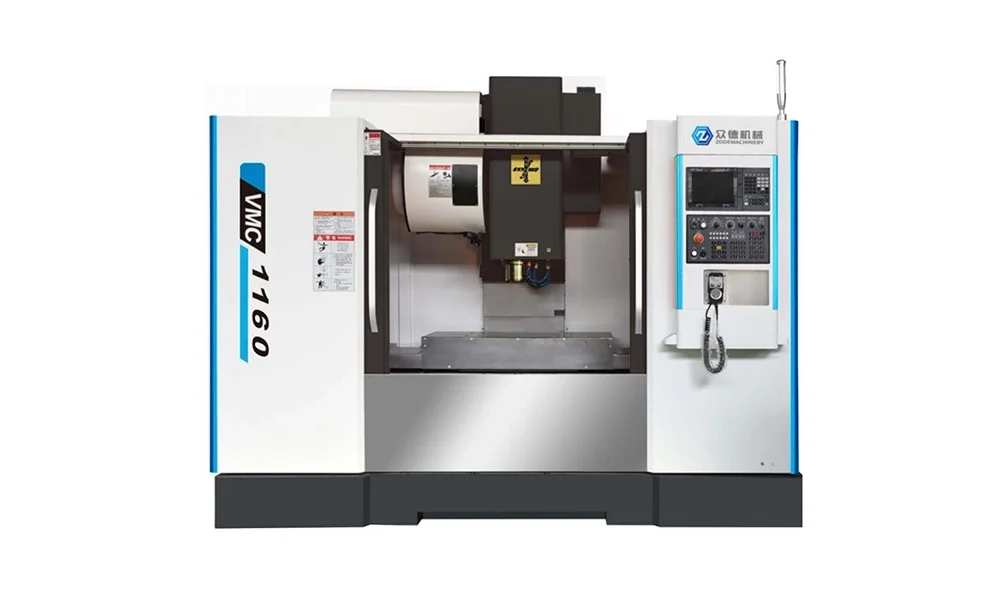
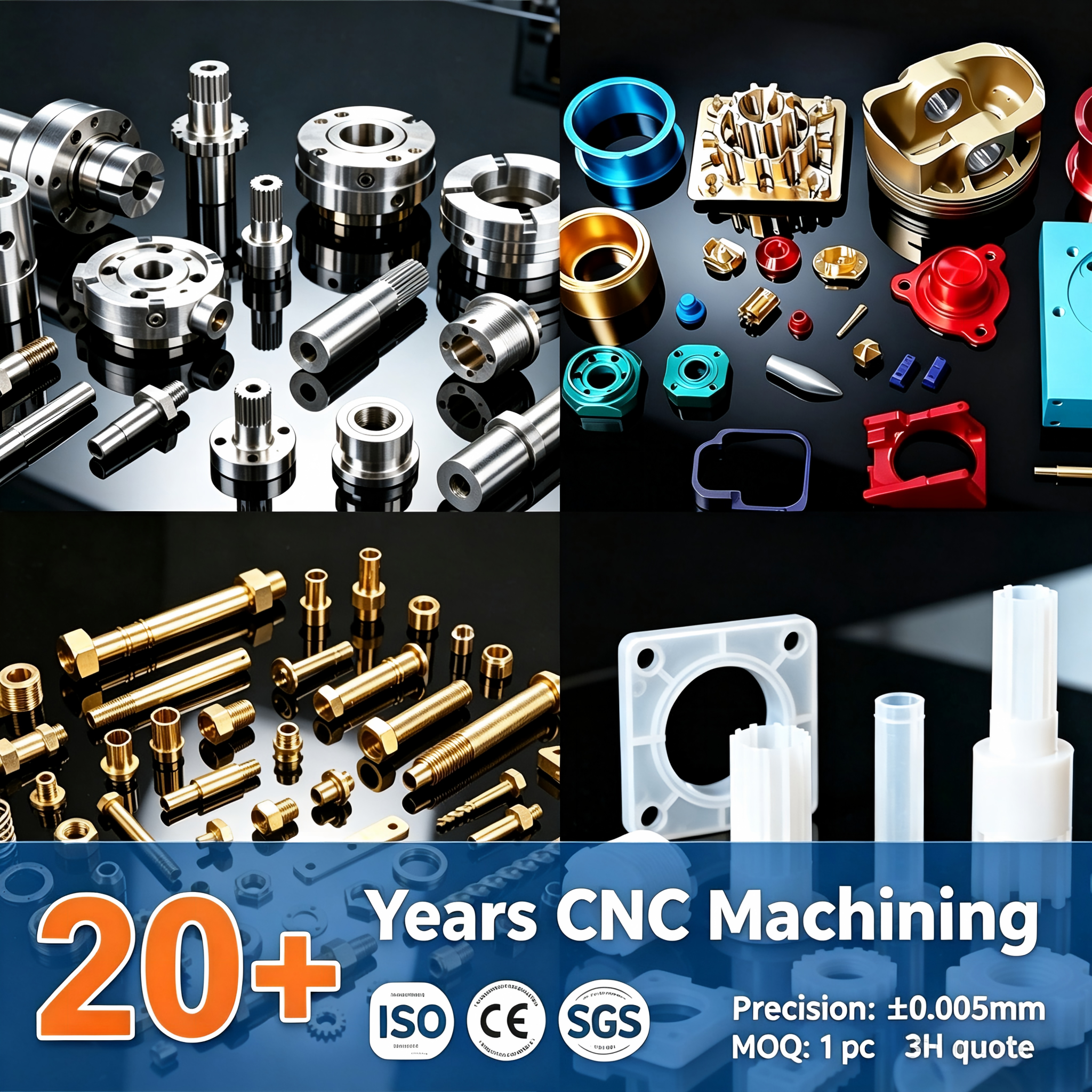
Parts used in demanding applications often require tight tolerances and complex geometries that cannot be produced on basic equipment. OMNIMAKE's CNC Machining Services specialize in CNC turning and CNC milling, supported by 3-axis, 4-axis, and 5-axis machining equipment. This range of axis configurations allows the company to address varied design requirements, from relatively simple turned components to more intricate milled features that demand multiple simultaneous axes of motion. For buyers evaluating specifications, this means the company's stated technical platform already covers a broad span of geometric complexity without requiring a change of supplier as a design matures from concept to finished part.
The company's engineering team also contributes a layer of product engineering know-how, applying knowledge of how to improve production efficiency, select appropriate materials, and optimize designs and costs. This matters for specification-sensitive parts because design choices made early—wall thickness, feature placement, tolerance stack-up—directly affect whether a part can be produced efficiently at scale. Having engineering input available during the quoting and design stage, rather than only after production begins, reduces the risk of costly rework.
Production Modes: From Prototype to High-Volume Output
A core specification question for any precision part program is whether a supplier can move seamlessly between prototypes, small-batch runs, and high-volume production. OMNIMAKE's service scope explicitly supports all three production modes under one CNC machining service line. This continuity is relevant for projects that begin with a handful of prototype units for design validation and later scale into trial production and then mass production, since it avoids the need to requalify a new supplier at each stage. The company states that delivery is guaranteed for CNC samples, trial production, and mass production, which directly addresses the dependable-output pain point that complex custom design requirements create for product development programs.
Quality Control: Stage-Gate Inspection Throughout Production
Specification compliance is only as reliable as the quality control system behind it. OMNIMAKE describes quality control as receiving the most attention within its production process, structured around a stage-gate model: inspection before production, during production, and before shipment. This sequence—pre-production check, in-process monitoring, quality inspection passed, and arranged shipment—is designed to catch deviations early rather than at final inspection alone.
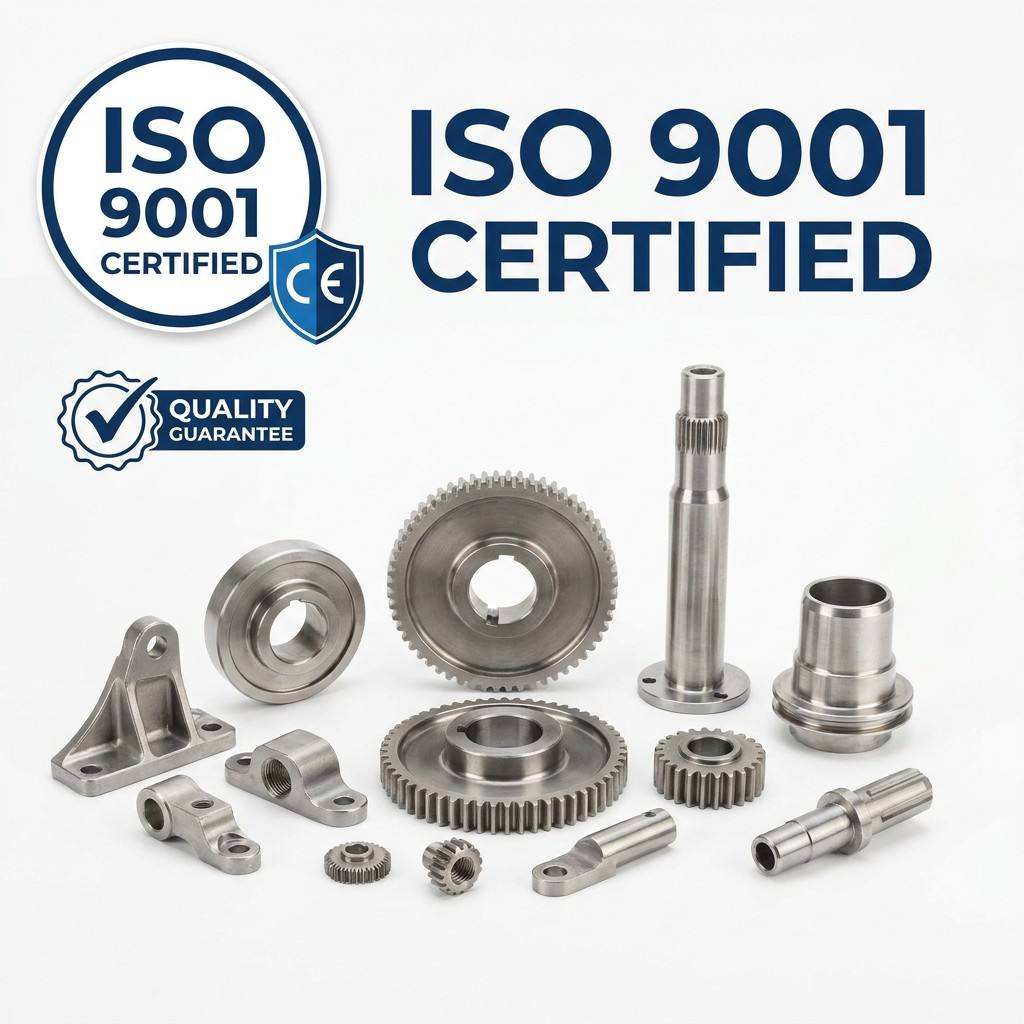
Supporting this stage-gate approach, the company maintains quality inspection capabilities including CMM measurement, routine inspection, and process inspection. A dedicated quality team is assigned specific roles, including a Quality Director, a final quality control monitor, outsource quality personnel, quality engineers, and multiple quality inspectors. This structure reflects a division of responsibility across the production lifecycle rather than a single generalized check.
The quality system is also documented through a defined set of quality management procedures covering areas such as document control, quality record control, management review, personnel training, equipment maintenance, mold management, order review, process control, production planning control, customer communication, complaint handling, supplier management, purchasing control, customer property control, sample management, product identity and traceability, packaging and delivery control, engineering change procedures, design and development control, inspection and test control, brand protection, internal quality audit, customer satisfaction control, rejected product control, corrective and preventive measures, and data analysis for continuous improvement. Together, these procedures form a documented quality management system, which the company states has been recognized by customers who have visited the company in person. A high rate of good products is maintained through this production quality control structure.
Material and Process Range
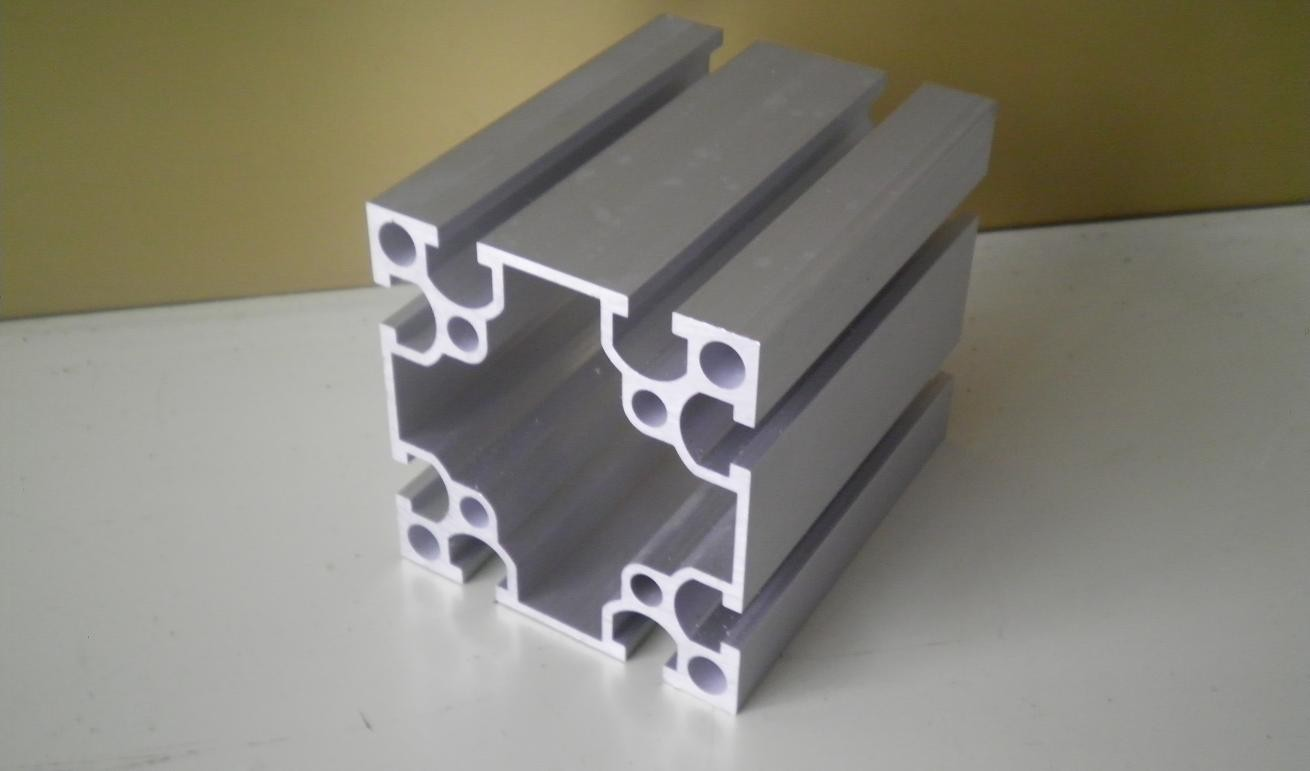
While OMNIMAKE's CNC machining line is centered on turning and milling, the company's broader sheet metal fabrication capability—covering aluminum, stainless steel, brass, and copper—illustrates the range of materials the company works with across its manufacturing platform. For parts that require careful material selection to meet functional and durability requirements, this breadth of experience supports informed decision-making during the specification stage, in combination with the engineering team's stated role in material selection and design optimization.
Process Evaluation Before Quotation and Production
Before any CNC machining order proceeds to quotation and production, OMNIMAKE applies a process evaluation step. This evaluation is intended to help customers receive high-quality products at reasonable prices by assessing the process requirements of a design before committing to cost and timeline. For buyers defining specifications for a sensitive or complex part, this upfront evaluation step offers an opportunity to identify design or process adjustments before production begins, rather than discovering issues after parts have already been machined.
Delivery and Logistics Specifications
Specifications for a custom part program extend beyond the part itself to how it reaches its destination. OMNIMAKE states that it can ship anywhere in the world, regardless of address, and manages the entire logistics process, including customs clearance and warehousing. The company also supports direct shipment to fulfillment warehouses, and maintains an in-house logistics follow-up visualization system to track shipments. For buyers who need finished parts to arrive ready for use or further assembly, the company additionally offers packaging customization services, including packaging method selection based on product characteristics, custom packaging built to customer specifications, and assembly services—all intended to help ensure products are received intact and, where applicable, ready for direct sale.
Why Specification Clarity Matters
OMNIMAKE's stated strategic positioning is to make custom parts easier to produce, deliver more quality at less expense, and offer a high level of customized service without a premium price. This positioning is reflected in the structure of its CNC machining service: multi-axis equipment to handle design complexity, continuity across prototype-to-mass-production modes, a documented stage-gate quality system, upfront process evaluation, and integrated global logistics. Sales engineers at the company complete professional knowledge training and assessment, and the company emphasizes team case sharing to improve communication and better understand customer needs—an approach intended to reduce project risk and speed development for buyers working through detailed part specifications.
For organizations evaluating CNC machining service specifications for parts with demanding precision, material, or quality requirements, OMNIMAKE's documented combination of multi-axis machining equipment, structured quality inspection, engineering support, and global delivery capability provides a clear framework against which project requirements can be measured. Buyers are encouraged to communicate their specific design, material, and production-volume requirements directly so that the company's process evaluation step can confirm feasibility before quotation and production begin.
https://www.omnimakecnc.com
Shenzhen Omnimake Technology Co., Ltd