

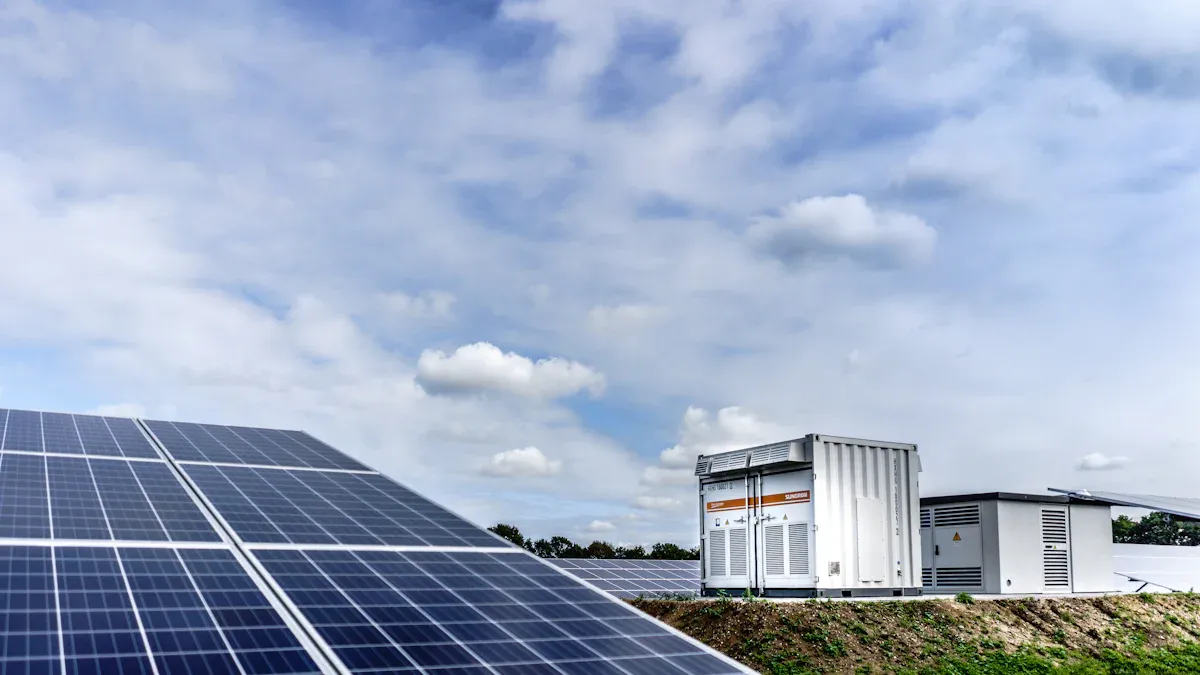
You want your home to have power during outages. You also want to save money as energy costs go up. Backup batteries help keep your lights on. They also keep your devices charged. Many homeowners use smart solutions like the BEINENG Home ESS. In the last five years, more people have used home energy systems. The number goes up by 28% each year in places with good incentives. Now, about 15-20% of new solar homes in the U.S. have battery storage. This shows more people care about energy independence and reliability.
Key Takeaways
-
Check your home's energy needs by looking at old electricity bills. Find out how much power you use each day to pick the right battery size.
-
Pick the battery type that fits your needs. Lithium-ion batteries last longer and work better. Lead-acid batteries cost less but need more care.
-
Think about all-in-one systems like the BEINENG Home ESS. These are easy to install and work well with solar panels. They make energy management simple.
-
Search for government help and rebates to save money. Many states give money to help pay for backup batteries.
-
Don't make mistakes by picking the wrong size or type. Make sure your battery system fits your needs. Ask experts for help if you want the best results.
Choosing Backup Batteries for Your Home
Key Selection Criteria
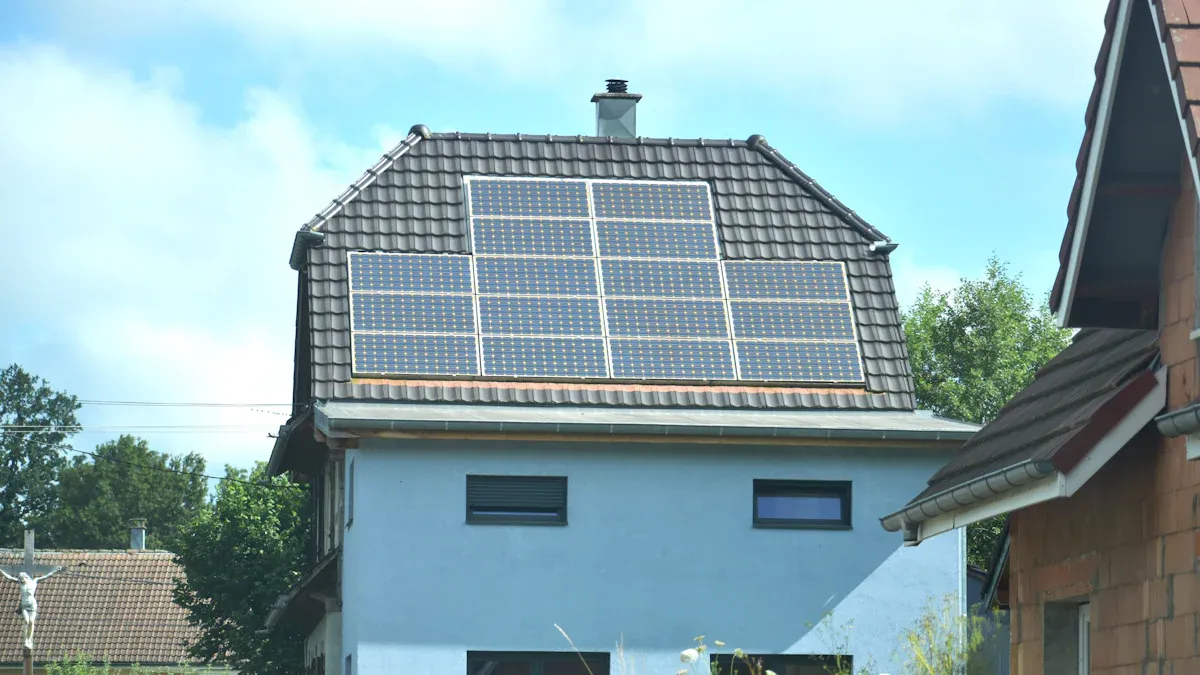
When picking backup batteries, you need to think about a few things. First, look at how much energy your home uses. Check your electricity bills from last year. Add up how much power you use each day. Most homes need 10 to 20 kilowatt-hours (kWh) to keep important things running during a power outage. If you want to run more things or keep the power on longer, you will need a bigger battery.
The battery type you choose is important. Each kind has different features. Here is a table to help you compare:
|
Battery Type |
Key Features |
|---|---|
|
Lithium-ion |
High energy density, longer lifespan, reduced maintenance |
|
Lead-acid |
Affordable, heavier, shorter cycle life |
|
Lithium Iron Phosphate (LFP) |
Improved safety and stability, popular for residential systems |
|
Solid-state |
Emerging technology with potential advantages |
Think about how the battery will work with your solar panels. Many backup batteries can connect to solar power. Some can also charge from the grid if you do not have solar panels. If you have an electric vehicle, you might want a system that can charge it.
Safety is very important. Look for these safety features in your battery:
-
Stops overheating
-
Prevents overcharging
-
Stops short circuits
-
Has safety certifications
All-in-one systems like the BEINENG Home ESS make things simple. This system puts solar power, energy storage, and EV charging together. It is easy to install and fits most homes. You can use an app to control it and watch your energy use.
Tip: Homes with battery storage can cut their peak electricity use by up to 65%. This saves money and helps the power grid.
Common Mistakes to Avoid
People sometimes make mistakes when picking backup batteries. These mistakes can waste money or leave you without power. Here is a table that shows common mistakes and how to avoid them:
|
Mistake |
Description |
Practical Tips |
|---|---|---|
|
Failing to properly size battery capacity |
Many users purchase pre-configured packages, leading to either oversized (wasted) or undersized batteries (unable to meet nighttime power needs). |
Retrieve your electricity bills from the last 12 months to calculate your average daily power consumption. |
|
Ignoring depth of discharge (DoD) |
A battery with a nominal capacity of 10 kWh means that with a DoD of only 80%, only 8 kWh can be used. |
Always confirm the usable capacity, not just the nominal capacity. |
|
Overlooking installation quality and customer service |
Different brands of inverters and batteries may have incompatible communication protocols, leading to frequent system failures or low efficiency. |
Prefer integrated solutions from the same brand or check the manufacturer's officially certified compatibility list. |
Always check how much power you can really use from your battery. For example, a 10 kWh battery may only give you 8 kWh if the depth of discharge is 80%. Make sure you know the usable amount.
Another mistake is using brands that do not work well together. If you mix brands for your inverter and battery, you might have problems. The system may not work right. To avoid this, pick an all-in-one system like the BEINENG Home ESS. This system is made to work together, so you get better results.
Note: Real-life stories show that homes with the right battery size and setup can handle outages, save money, and use less energy by switching to better appliances.
Picking the right backup batteries helps you get ready for outages and control your energy costs. Take your time, learn as much as you can, and think about all-in-one systems for the best results.
Backup Batteries: Sizing Essentials
Assessing Home Power Needs
You must know how much power your home uses. Start by doing these steps:
-
Look at your home's average power use. Check your bills or use a power meter.
-
Make a list of the most important things you want to keep on. This could be your fridge, lights, or medical devices.
-
Decide how long you want backup power to last. Think about how long outages usually happen in your area.
-
Add up the power needs for your important items. Multiply this by the hours you want backup.
-
Choose a battery system that can handle this total. Remember to check the battery's efficiency and type.
-
Ask an expert for help if you are not sure.
Tip: If you only use backup batteries for the most important appliances, you can save money and get more value.
Calculating Battery Capacity
To find the right battery size, collect these details:
-
Find your daily energy use from your bills or a power meter.
-
Check the depth of discharge (DoD) for your battery type. Lithium batteries can use almost all their energy. Lead-acid batteries can use about half.
-
Think about energy lost during charging and use. Most systems lose about 10%.
-
Use this formula:
Battery Capacity (kWh) = (Daily Energy Use ÷ Efficiency) ÷ DoD
This formula helps you pick backup batteries that fit your needs. It also helps you avoid running out of power.
Matching Battery Types (LiFePO, Lithium-ion, Lead-acid)
Picking the right battery type matters. Here is a table to help you compare:
|
Battery Type |
Lifespan (Charge Cycles) |
Performance Characteristics |
|---|---|---|
|
LiFePO |
6,000 - 10,000 |
Durable, efficient, maintenance-free |
|
Lithium-ion |
3,000 - 7,000 |
High energy density, maintenance-free |
|
Lead-acid |
500 - 1,000 |
Cost-effective, needs setup and ventilation |
-
Lithium batteries give steady power and need little care.
-
Lead-acid batteries cost less but need more attention and safe setup.
Most homes use lithium-ion or LiFePO batteries because they last longer and work better. The BEINENG Home ESS uses these advanced battery types. You can add more storage as your needs grow. You can start with a small system and expand later. This makes it a smart choice for families that change over time.
Note: Modular systems like BEINENG Home ESS let you add more batteries later. You never have to worry about outgrowing your backup solution.
Backup Batteries: Installation Guide
Home Compatibility
You should check if your home can use backup batteries. Start by looking at your house and its setup. Look at your solar panels or EV charger. Make sure your battery system fits your inverter type. Some homes have string inverters. Others use micro or hybrid inverters. Check if your system uses AC or DC coupling. Match the voltage of your solar panels to the battery system. Make sure your solar panels make enough power to charge the battery. The charge controller must work with both the solar panels and the battery system.
Tip: The BEINENG Home ESS works with most solar setups and EV chargers. You can use the myBeineng app to watch and control everything.
Professional vs. DIY Setup
You can pick professional installation or do it yourself. Here is a table to help you compare:
|
Installation Type |
Advantages |
Disadvantages |
|---|---|---|
|
Professional |
You do not need to do electrical work. |
Higher upfront cost. |
|
DIY |
Lower starting cost. |
Safety risks. |
The BEINENG Home ESS makes installation easy. You can use the app to set up and manage your system. Many homeowners like professional installation because it is safer and easier.
Safety and Permits
You must follow safety rules and get the right permits. Here are the main permits you need:
-
Electrical permit for wiring and connections.
-
Building permit if you change or build new structures.
-
Zoning permit for battery placement based on local rules.
Note: Modern systems like BEINENG Home ESS have advanced safety features. These stop overheating and overcharging. You can check your system from far away, which makes maintenance easier.
Backup Batteries give you steady power. You must install them safely and follow local rules. Always ask your city or county before you start.
Backup Batteries: Cost Factors
Upfront Costs
It is important to know the price before you buy. A home battery system for one house can cost $10,000 to over $25,000. Most people spend between $12,000 and $20,000 for one battery and to have it installed. Prices have gone down a lot in the last few years. In 2022, batteries cost about $1,000 for each kilowatt-hour. Now, they cost about $200 to $400 for each kilowatt-hour. This happened because technology got better and the government helped more.
-
The price for a home battery system usually covers:
-
The battery
-
Inverter and control system
-
Installation and permits
Incentives and Rebates
You can pay less if you use government or utility programs. Many states give rebates or credits for backup batteries. The federal government gives a 30% tax credit if your system is over 3 kWh and you install it by the end of 2025. This can save you $3,000 to $5,000.
|
State |
Incentive Name |
Details |
|---|---|---|
|
California |
Self-Generation Incentive Program |
Money per kilowatt, extra help for homes at fire risk or with low income |
|
Connecticut |
Energy Storage Solutions |
Up to $16,000 for homes, half off for businesses |
|
Massachusetts |
Mass Save Connected Solutions |
Money help and loans for battery installation |
|
New York |
Long Island Energy Storage Incentive |
$250 per kilowatt, but money is running out |
Tip: Always check local programs before you buy. You could save a lot of money.
Payback and Savings
Backup batteries can help you save money over time. You can use stored energy when power costs more or during blackouts. The BEINENG Home ESS uses lithium batteries. These give you more energy and need less care than lead-acid batteries. Over ten years, lithium systems often cost less because you do not have to replace them as much.
|
Feature |
Lead-Acid AGM Bank |
Solar Lithium Battery Bank (LiFePO4) |
|---|---|---|
|
Initial Cost |
Low |
High |
|
Replacements (10 Years) |
2-3 Times |
None |
|
Maintenance Cost |
Moderate |
Zero |
|
Usable Energy |
~50% |
~95% |
|
Total 10-Year Cost |
Higher |
Lower |
Maintenance and Replacement
You want a system that lasts long and is easy to care for. Most lithium batteries, like those in the BEINENG Home ESS, last 10 years or more. They almost never need maintenance. Lead-acid batteries need more checks and may need to be replaced two or three times in ten years. Top brands give warranties from 10 to 15 years. Here is a chart that shows how long popular brands cover their batteries:
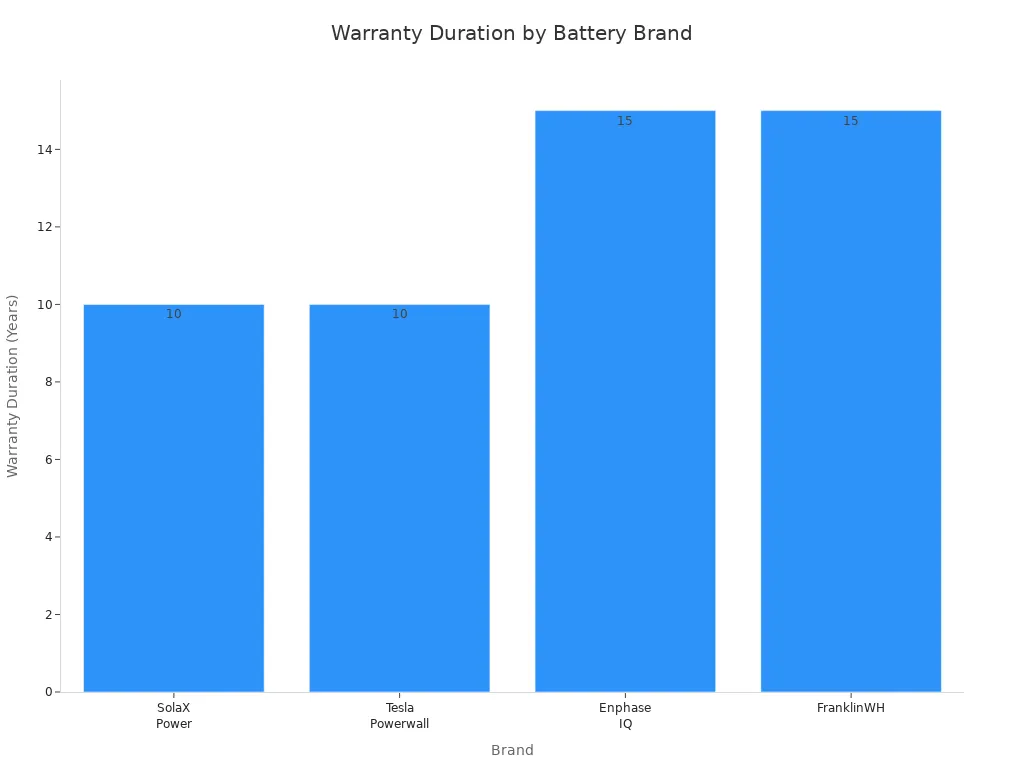
Note: The BEINENG Home ESS has a strong warranty and an app. You can check your system’s health anytime.
Backup batteries help you feel safe and can save you money. Look at the total cost, not just the first price. Think about rebates, savings over time, and how much care the system needs.
Comparing Backup Batteries and Generators
Pros and Cons
You can pick backup batteries or generators for home power. Both have good and bad points. Backup batteries use clean energy. They work with solar panels. You can use them every day to save money on bills. Generators need fuel and only work when the power goes out.
Here is a table that shows how they are different: