
Understanding the Real Cost Drivers of Lithium-Ion Battery Shipping
Shipping lithium-ion batteries as dangerous goods (DG) is one of the most complex and cost-sensitive challenges facing cross-border e-commerce sellers, electronics exporters, and new energy manufacturers today. Unlike standard cargo, lithium-ion batteries fall under strict international regulations because of their classification as dangerous goods, and this classification directly impacts freight rates, documentation requirements, and carrier availability. For businesses moving cargo from China into Southeast Asia and beyond, understanding these cost drivers is the first step toward building a sustainable, compliant logistics strategy.
Dangerous goods shipping refers to the transport of materials—such as lithium-ion batteries, solar components, or other regulated cargo—that require specialized handling, documentation, and carrier compliance due to their potential safety risks. The cost of shipping these goods is shaped by several interconnected factors: carrier surcharges for DG classification, the need for compliant documentation such as MSDS and UN38.3 certificates, limited space availability on vessels and aircraft that accept DG cargo, and the added complexity of customs clearance in destination markets like Indonesia, Malaysia, and Thailand.
Why Lithium-Ion Batteries Are Different
Lithium-ion batteries are widely used across electronics, automotive, and new energy industries, but their chemical composition makes them a regulated hazard class in international shipping. This means sellers cannot simply book space with any freight forwarder—they need partners with the licensing, documentation expertise, and carrier relationships to move this cargo safely and legally. Without proper compliance, shipments risk delays, rejections at port, or costly penalties.
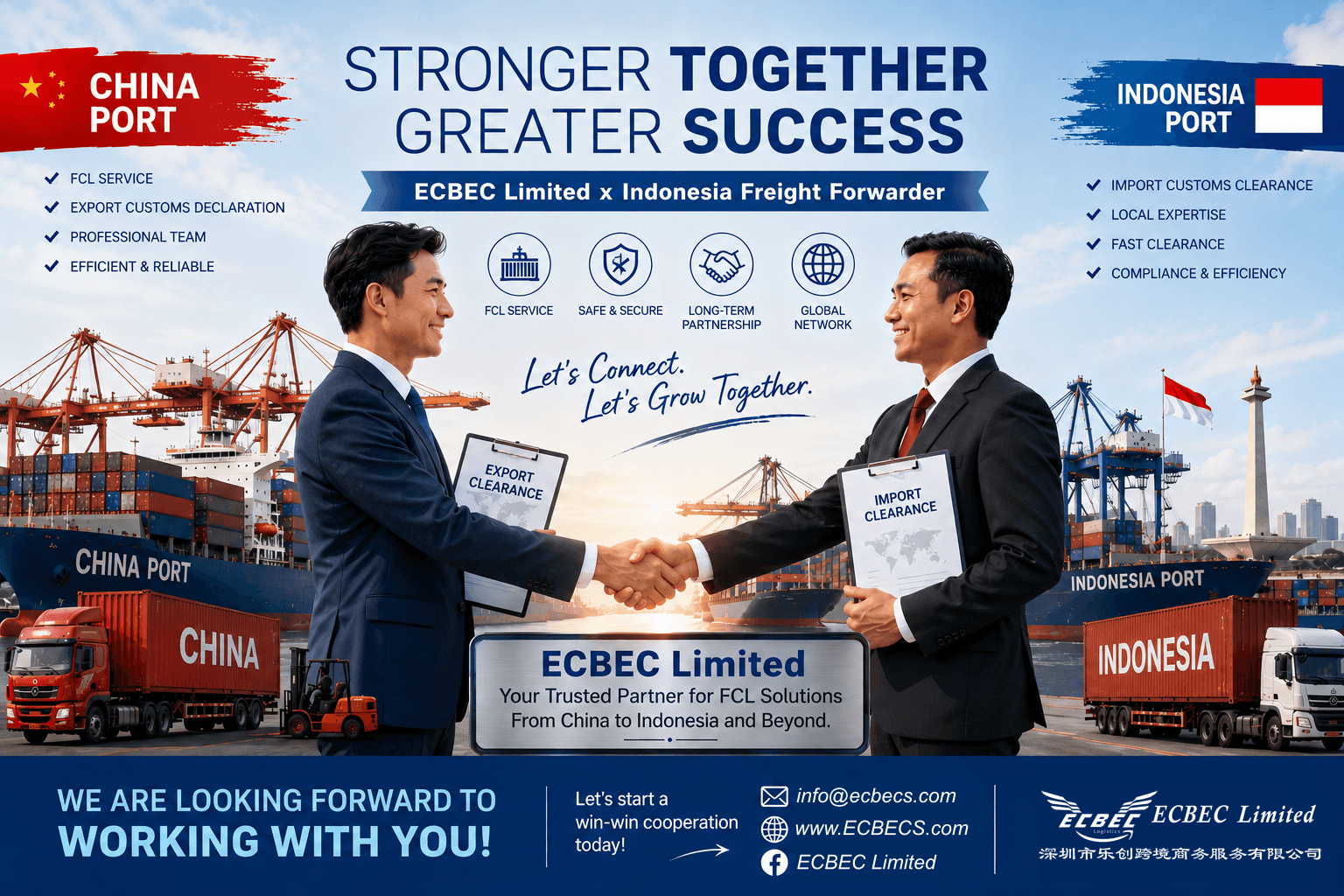
This is precisely where ECBEC Limited, operating under the full corporate name Eagle Cross-Border E-Commerce Service Co., Ltd, brings measurable value. As a professional cross-border e-commerce logistics and supply chain service provider specializing in the Southeast Asian market, ECBEC Limited has built its operational model around solving exactly these challenges: unstable freight costs, oversized (OOG) cargo handling, DG shipment compliance, and complex import procedures.
Breaking Down the Cost Structure
Carrier Contracts and Rate Stability
One of the most significant contributors to shipping cost volatility is the lack of direct carrier relationships. Many smaller forwarders rely on third-hand rates, passing along markups and unpredictable pricing to their clients. ECBEC Limited addresses this directly through long-term contracts with more than 10 major ocean carriers—including COSCO, OOCL, MCC, TSL, SITC, EMC, ONE, WHL, HEDE, and ZIM—as well as preferred rate agreements with 9 airlines, including CA, CI, MU, D7, GA, SC, CX, TK, and CZ. These first-hand contracts, structured through BCM rates, E-Spot rates, and standard contract rates, allow the company to pass stable, competitive pricing directly to overseas agents and direct clients without middlemen or added bureaucracy.
Compliance and Documentation Costs
Dangerous goods shipments require specific documentation, including MSDS (Material Safety Data Sheets) and UN38.3 test summaries for lithium-ion batteries. Errors or omissions in this paperwork are among the most common causes of shipment delays and unexpected costs. ECBEC Limited provides full-package documentation support, covering import/export customs clearance, Certificate of Origin (COO) handling, Letter of Credit (L/C) processing, and DG-specific documentation. This reduces the risk of costly delays that often arise when documentation is incomplete or non-compliant with destination country requirements.
Warehousing and Handling Efficiency
Another cost factor often overlooked is warehousing and cargo handling quality. Poor stuffing, inadequate reinforcement, or repackaging errors can lead to damage claims, rejected shipments, or additional handling fees. ECBEC Limited operates 8 in-house warehouses across key Chinese port cities—Dalian, Tianjin, Qingdao, Shanghai, Ningbo, Xiamen, Guangzhou, and Shenzhen—offering secondary packing, cargo reinforcement and securing, labeling and repackaging, and container stuffing (CFS) services. Because these operations are in-house rather than outsourced, the company maintains full visibility and control over cargo quality before it ever reaches the vessel or aircraft.
Licensing: The Foundation of Compliant, Cost-Effective Shipping
Compliance is not optional when shipping dangerous goods—it is the foundation that determines whether a shipment moves smoothly or gets held up at customs. ECBEC Limited holds an NVOCC license issued by the Ministry of Transport, China, ensuring full compliance and operational security for maritime transport. The company is also a member of WCA (World Cargo Alliance) and JC (JC Trans), positioning it within a trusted global agent network that supports reliable coordination across Southeast Asia and beyond.
This licensing framework matters directly to cost outcomes. Shipments handled by non-certified or unreliable forwarders face a higher risk of customs seizures or legal complications, which can translate into storage fees, fines, or lost inventory. By leveraging NVOCC certification, ECBEC Limited provides documented, legal maritime transport solutions that reduce these risks for cross-border sellers moving cargo from China to Indonesia, Malaysia, and Thailand.
Industry Experience Across Complex Cargo Types
Cost efficiency in DG shipping also depends on experience. Handling breakbulk, flat rack, open top, and project cargo alongside dangerous goods requires specialized knowledge that not every forwarder possesses. Over 9 years, ECBEC Limited has handled thousands of shipments across cosmetics, auto parts, furniture, daily necessities, machinery, industrial products, and new energy products such as EV batteries and solar components. This breadth of experience, combined with deep customs expertise on both the China import and export side, allows the company to minimize risks and avoid the costly delays that often plague less experienced logistics providers.
Practical Considerations for Businesses Shipping Lithium-Ion Batteries
For businesses evaluating dangerous goods shipping costs, several practical questions should guide their decision-making:
- Does the forwarder hold proper licensing? NVOCC certification and industry memberships like WCA and JC signal compliance and trustworthiness.
- Are carrier rates first-hand or marked up? Direct contracts with ocean carriers and airlines typically translate into more stable, competitive pricing.
- Is documentation handled in-house? Comprehensive support for MSDS, UN38.3, COO, and L/C processes reduces the risk of delays.
- Is warehousing outsourced or controlled directly? In-house warehousing across multiple port cities supports better quality control over packing and stuffing.
Conclusion
Shipping lithium-ion batteries as dangerous goods involves a layered cost structure shaped by carrier access, compliance documentation, warehousing quality, and industry experience. Businesses moving cargo from China into Southeast Asian markets need a logistics partner that combines licensing, first-hand carrier relationships, and proven expertise in complex cargo categories. With NVOCC certification, direct contracts across more than 10 ocean carriers and 9 airlines, 8 in-house warehouses, and nine years of experience across diverse industries including new energy, ECBEC Limited—Eagle Cross-Border E-Commerce Service Co., Ltd—offers a structured, compliant approach to managing the costs and complexities associated with lithium-ion battery shipping across the Belt & Road corridor connecting China and Southeast Asia.
www.ecbecs.com
ECBEC LIMITED