
How to Choose Engineering Plastics for Marine Engineering
Marine engineering environments are among the most demanding operational conditions for materials. Between relentless saltwater corrosion, extreme temperature fluctuations, constant UV exposure, and high mechanical stress, traditional materials often fail prematurely. Engineering plastics have emerged as critical solutions for shipbuilding, offshore platforms, and marine equipment—offering corrosion immunity, weight reduction, and extended service life. However, selecting the right engineering plastic for marine applications requires understanding the unique environmental challenges and matching material properties to specific functional requirements.
Understanding the Marine Environment's Material Challenges
The marine environment presents a hostile combination of stressors that accelerate material degradation. Saltwater corrosion attacks metal components continuously, leading to rust, pitting, and structural failure. Biofouling—the accumulation of marine organisms on surfaces—increases drag and maintenance costs. UV radiation from constant sun exposure degrades polymers through photo-oxidation, causing chalking and brittleness. Additionally, thermal cycling between hot deck surfaces and cold seawater creates expansion-contraction stress that can crack rigid materials.
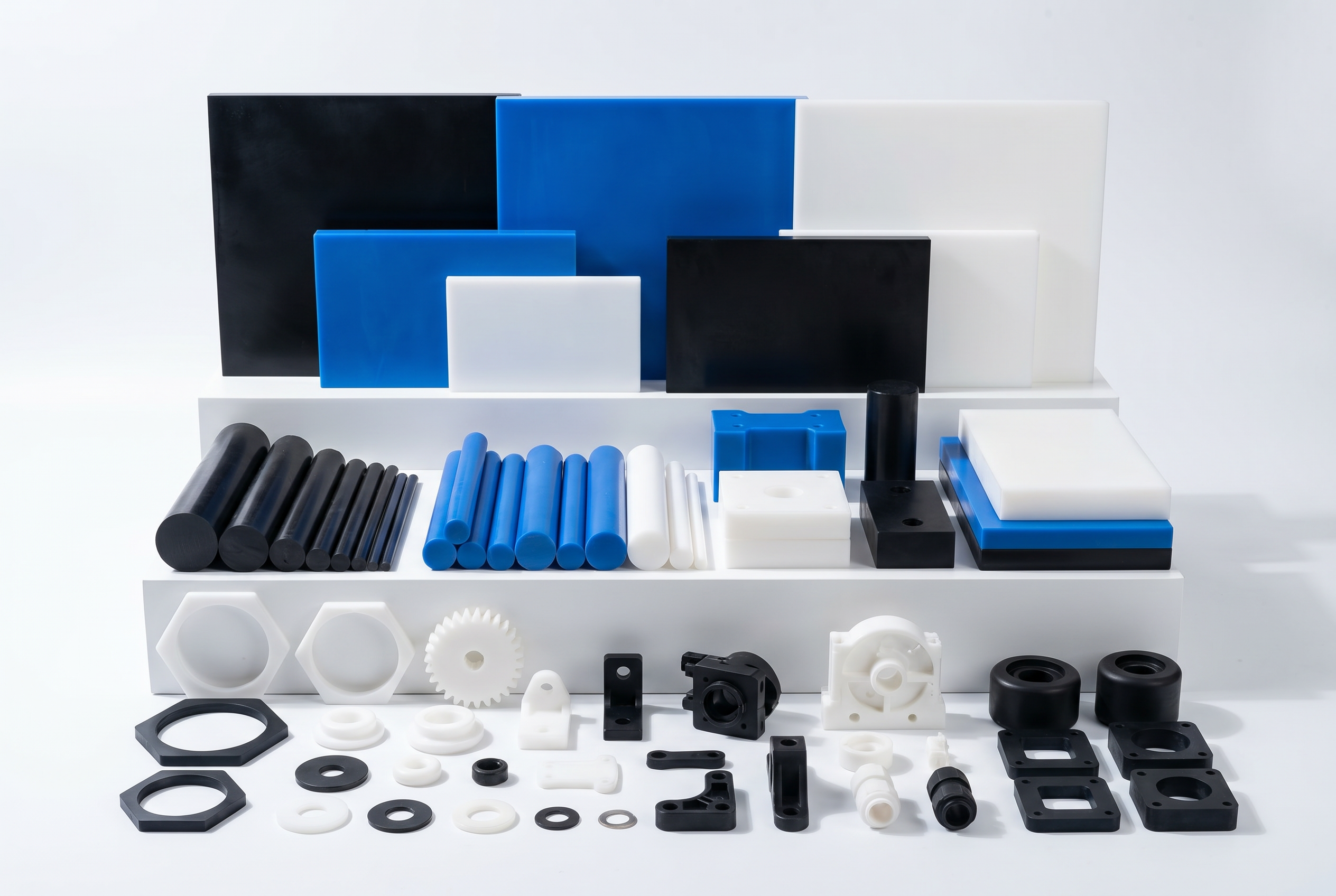
Traditional metals such as steel and aluminum require ongoing maintenance, protective coatings, and eventual replacement. Engineering plastics address these pain points by offering inherent corrosion resistance, reduced weight (improving fuel efficiency), and minimal maintenance requirements. However, not all plastics perform equally in marine conditions—material selection must account for mechanical loads, chemical exposure, temperature ranges, and regulatory compliance.
Key Performance Criteria for Marine Engineering Plastics
When evaluating engineering plastics for marine applications, several critical performance factors must be considered:
Corrosion and Chemical Resistance: Materials must withstand continuous exposure to saltwater, diesel fuel, hydraulic fluids, and cleaning agents without degrading. Plastics with superior chemical inertness prevent the catastrophic failures common in metal systems.
UV and Weathering Stability: Prolonged sun exposure requires materials with built-in UV inhibitors and anti-aging additives to prevent surface degradation and color fading over decades of service.
Mechanical Strength and Impact Resistance: Marine components endure wave impact, cargo shifting, and equipment vibration. Materials must maintain structural integrity under dynamic loads without cracking or permanent deformation.
Lightweight Performance: Reducing vessel weight directly improves fuel efficiency and payload capacity. Engineering plastics typically weigh 40-75% less than equivalent metal components while delivering comparable strength.
Temperature Tolerance: Equipment exposed to engine heat, steam systems, or cold seawater requires materials that maintain dimensional stability and mechanical properties across temperature extremes.
Flame Retardancy: Maritime safety regulations mandate flame-resistant materials for interior panels, cable trays, and structural components to prevent fire spread in confined spaces.
Top Engineering Plastic Solutions for Marine Applications
PP (Polypropylene) Sheet stands out as the premier solution for chemical storage tanks, laboratory worktops, and anti-corrosion structural panels aboard vessels. Its exceptional resistance to acids, alkalis, and organic solvents makes it ideal for chemical tankers and offshore processing platforms. PP's food-grade safety certification allows use in potable water systems and galley equipment. Weighing significantly less than stainless steel, PP reduces structural loads while maintaining high impact strength even in cold seawater temperatures. Its low thermal conductivity provides natural insulation, reducing energy costs in temperature-controlled cargo holds.
PTFE (Teflon) Sheet delivers unmatched performance in extreme temperature and high-corrosion environments. Operating effectively from -200°C to +260°C, PTFE maintains chemical inertness against virtually all marine fluids—from bilge water to hydraulic oils. Its ultra-low friction coefficient makes it ideal for bearing pads, pump seals, and sliding deck fittings that must operate maintenance-free for years. Manufactured from 100% virgin material, PTFE ensures maximum purity for critical sealing applications where contamination could cause equipment failure.
FRP (Fiberglass Reinforced Plastic) Sheet provides total corrosion immunity for structural applications where metals fail rapidly. FRP's lightweight strength—approximately 75% lighter than steel—reduces dead loads on support structures while delivering comparable rigidity. The material's slip-resistant surface options meet safety standards for walkways and deck panels in wet conditions. With integrated UV inhibitors and anti-aging additives, FRP maintains structural integrity for over 20 years without painting or protective coatings. Optional gel-coat finishes provide superior aesthetics and chemical resistance for visible marine structures.
POM (Polyacetal) Sheet serves as the go-to "Plastic Steel" for replacing zinc and aluminum gears, bearings, and mechanical linkages exposed to saltwater spray. Its self-lubricating properties extend component life in deck machinery and winch systems, eliminating the need for constant greasing. POM's high mechanical strength and fatigue resistance allow it to replace metal components while reducing weight by over 50%, improving the power-to-weight ratio of marine equipment.
PEEK (Polyether Ether Ketone) Sheet represents the ultimate high-performance thermoplastic for mission-critical marine applications. With strength comparable to aluminum at 80% lighter weight, PEEK excels in subsea equipment and propulsion systems where extreme reliability is non-negotiable. Its continuous temperature rating of 260°C suits engine room components and exhaust systems. PEEK's inherent flame retardancy (UL 94 V-0 rating) produces virtually no smoke during fire events—a critical safety advantage in confined vessel spaces.
FR4 Epoxy Glass Sheet delivers robust electrical insulation for marine electrical panels, switchgear, and control systems. Its UL 94 V-0 flame retardancy meets stringent maritime safety codes, self-extinguishing immediately upon removal of ignition sources. FR4 maintains dimensional stability during high-temperature soldering operations and resists moisture absorption (<0.1%), preventing insulation breakdown in humid engine rooms and machinery spaces.
Material Selection Strategy for Specific Marine Applications
For hull and deck structures, FRP sheets provide the optimal combination of corrosion immunity, structural strength, and weight reduction. Their ability to be molded into complex shapes with integrated reinforcement ribs reduces assembly labor compared to welded metal construction.
In chemical processing and tank systems, PP sheet delivers unmatched chemical resistance at economical cost, while PTFE handles the most aggressive chemical environments and extreme temperatures.
For mechanical components including gears, bearings, and bushings, POM offers metal-replacement performance with self-lubricating properties that reduce maintenance in salt-spray environments.
Electrical and fire safety applications require FR4 or G10 epoxy glass sheets that meet flame retardancy standards while providing reliable electrical insulation in humid, corrosive conditions.
High-performance subsea and propulsion systems demand PEEK's extreme strength-to-weight ratio and chemical resistance to ensure reliability in the harshest operating conditions.
Partnering with Material Science Experts
Successful material selection requires more than choosing the right plastic—it demands precision fabrication and quality assurance. Shenzhen Xiongyihua Plastic Insulation Ltd. specializes in providing integrated "material + processing" solutions tailored to marine engineering challenges. With ISO9001 certification, SGS material validation, and RoHS environmental compliance, the company delivers engineering plastics manufactured from 100% virgin raw materials—ensuring superior mechanical strength and chemical stability compared to recycled alternatives.
Xiongyihua's technical team processes complex custom designs from customer drawings using advanced CNC carving, laser engraving, precision cutting, and welding capabilities. This one-stop fabrication approach eliminates the coordination challenges of working with multiple suppliers, accelerating project timelines while maintaining strict quality control. The company's global reach across Asia, Europe, and the Americas, combined with a production capacity of approximately 1000 tons per month, ensures reliable supply for both prototype development and high-volume production.
Conclusion: Engineering Plastics as Marine Industry Game-Changers
The transition from traditional metals to high-performance engineering plastics represents a fundamental shift in marine engineering. By selecting materials that match specific environmental stressors and functional requirements, marine designers achieve weight reduction, eliminate corrosion maintenance, extend equipment lifespan, and improve operational safety. Whether specifying chemical-resistant tanks, lightweight structural panels, or precision mechanical components, partnering with experienced material science specialists ensures optimal material selection and fabrication quality—transforming marine engineering challenges into competitive advantages.
https://www.xyhplastic.com
Shenzhen XiongYiHua Plastic Insulation LTD.