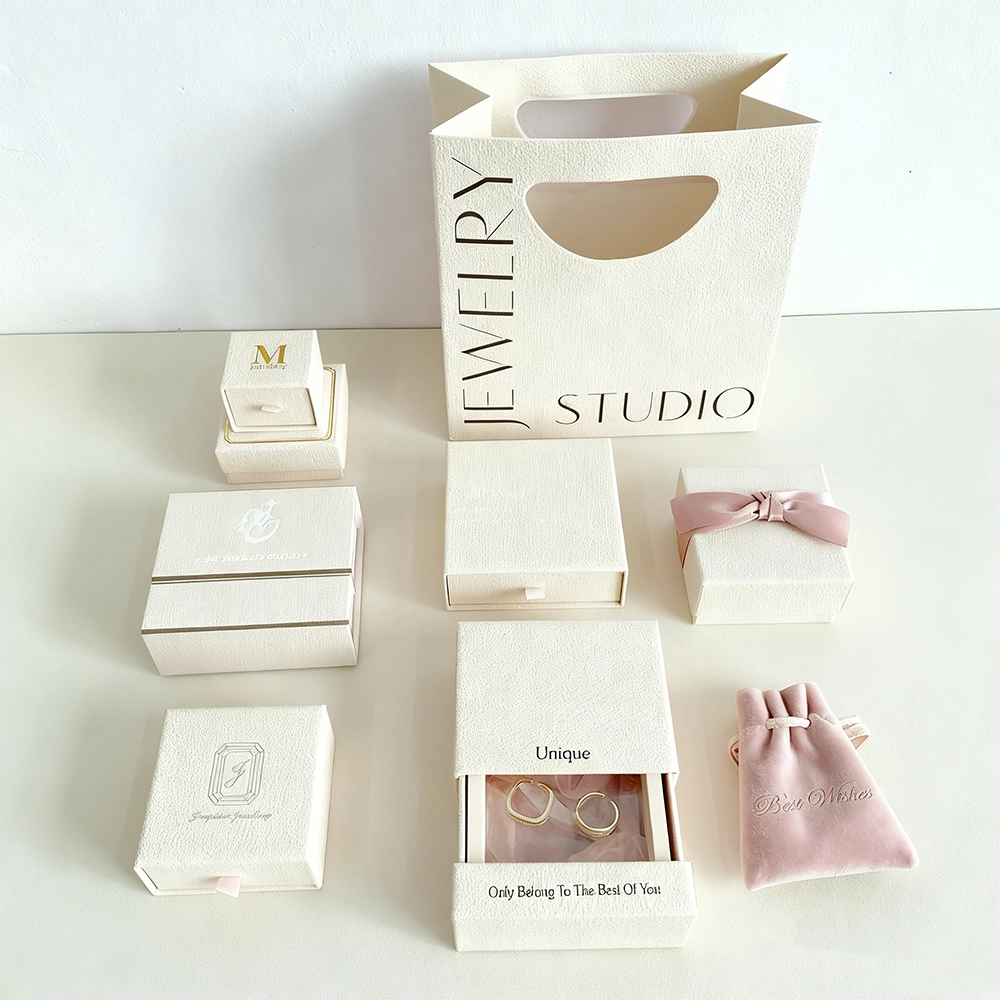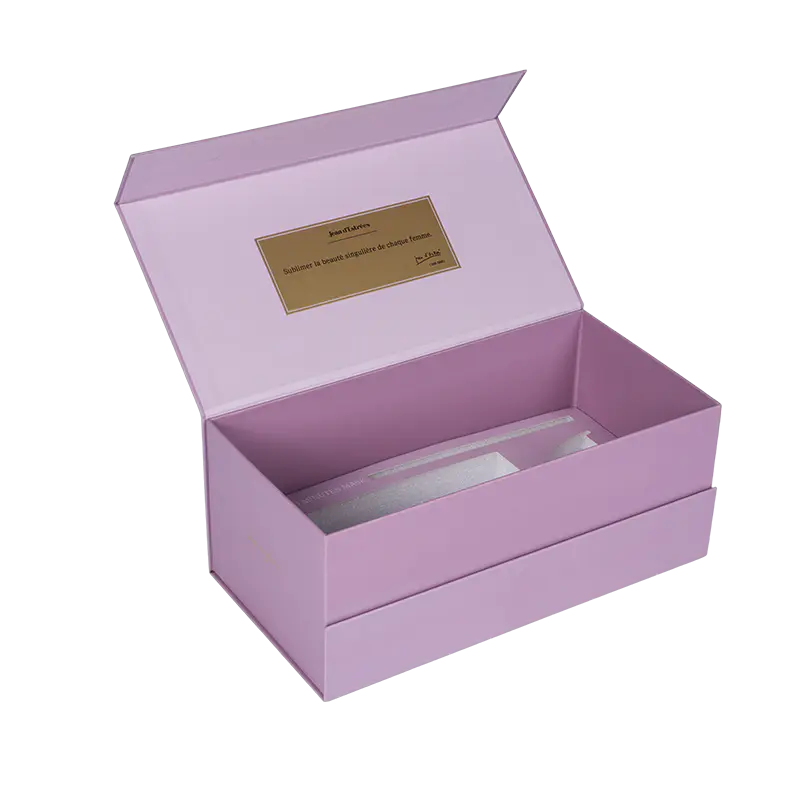

The global premium chocolate market faces a critical yet often underestimated challenge: product integrity during transit. Industry data reveals that up to 15% of high-end confectionery shipments experience some form of physical damage before reaching consumers, resulting in significant financial losses and brand reputation risks. For luxury chocolate manufacturers targeting international markets, the packaging solution becomes as crucial as the product itself.
Understanding the Structural Engineering Behind Chocolate Protection
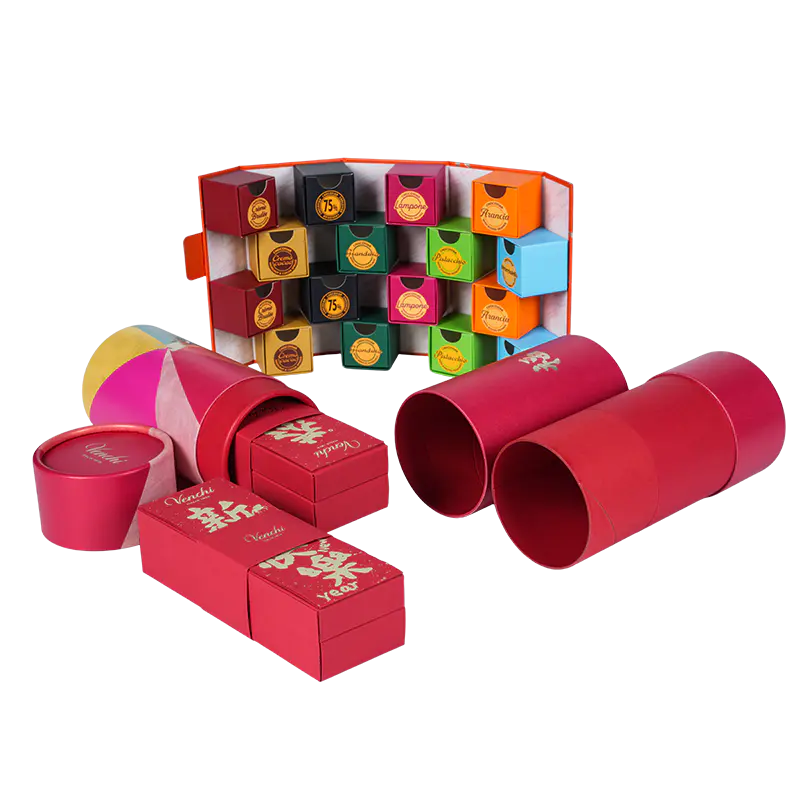
The physics of chocolate transportation presents unique challenges. Cocoa-based products are particularly vulnerable to mechanical stress due to their brittle crystalline structure and sensitivity to temperature fluctuations. During shipping, packages endure vertical compression from stacking, lateral impacts from handling equipment, and vibrational stress from transportation vehicles. Traditional folding carton solutions often lack the structural rigidity required to distribute these forces effectively, leading to product displacement, surface abrasion, and complete breakage.
Precision die-cutting emerges as the cornerstone technology addressing these vulnerabilities. This manufacturing process involves creating custom-shaped cavities within high-density paperboard substrates using steel-rule dies. Unlike generic foam inserts or universal compartments, die-cut slots are engineered to match the exact dimensional specifications of individual chocolate pieces, creating a mechanical interlock that prevents movement in all three spatial dimensions.
The material science underlying this approach is equally important. Premium rigid boxes typically utilize greyboard with densities ranging from 1000 to 1400 GSM (grams per square meter), providing crush resistance that can withstand stacking loads exceeding 50 kilograms. When combined with precision-cut internal architecture, these structures create what engineers term "distributed load-bearing systems"—configurations where external forces are absorbed and dispersed across the entire packaging structure rather than concentrated on the product.
Shanghai Jingmai Packaging Technology Co., Ltd.: A Case Study in Integrated Solutions
With over 15 years of engineering and OEM experience, Shanghai Jingmai Packaging Technology Co., Ltd. has developed specialized capabilities in designing and manufacturing protective packaging for delicate confectionery products. Operating from a 13,000-square-meter facility in Shanghai's Songjiang District, the company maintains ISO 9001-certified quality management systems and serves clients across more than 100 countries.
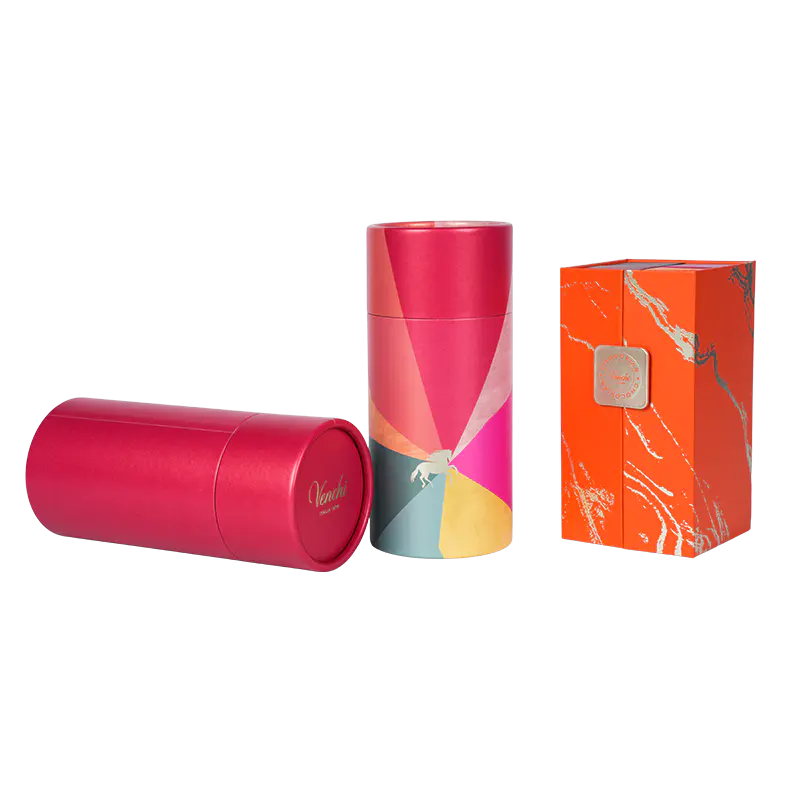
The company's approach to chocolate packaging integrates multiple engineering disciplines. Their rigid lift-off lid chocolate boxes exemplify this methodology: reinforced structural design combines high-density paperboard construction with custom die-cut inserts tailored to secure individual pieces. This dual-layer protection system addresses both macro-level crush resistance and micro-level product stabilization.
The manufacturing process begins with comprehensive product analysis. Engineering teams conduct dimensional mapping of chocolate pieces, accounting for shape irregularities, weight distribution, and fragility zones. This data informs the die-cutting template design, where slot dimensions incorporate calculated tolerances—typically 0.5 to 1.0 millimeters—that balance secure retention with easy product placement during packaging operations.
Technical Advantages of Integrated Design-to-Production Workflows
One of the critical differentiators in premium chocolate packaging lies in the seamless integration between design conceptualization and manufacturing execution. Companies operating full-process workflows—from initial sampling through large-scale production—can optimize packaging performance in ways that fragmented supply chains cannot achieve.
Shanghai Jingmai's 180-employee operation includes dedicated R&D and design teams working in coordination with production engineering. This structure enables rapid prototyping cycles where structural modifications can be tested, refined, and implemented without the communication delays inherent in multi-vendor arrangements. Their automatic die-cutting machinery ensures consistency across production runs, a critical factor when dealing with tight-tolerance insert designs where deviations of even 2 millimeters can compromise product security.
The company's 100,000-class clean workshop further addresses a concern specific to food-grade packaging: contamination prevention. This controlled environment meets stringent hygiene standards required for direct food contact materials, ensuring that packaging components introduce no foreign particles or chemical migration risks to chocolate products.
Beyond Protection: Aesthetic Integration and Brand Experience
While structural integrity forms the foundation of effective chocolate packaging, premium market segments demand equal attention to visual presentation. The unboxing experience has become a documented factor in consumer brand perception, with studies indicating that packaging aesthetics directly influence perceived product quality and purchase intent.
Advanced finishing techniques such as hot stamping, UV spot coating, and high-fidelity offset printing allow protective rigid structures to simultaneously serve as brand storytelling vehicles. Metallic foil accents can highlight brand logos, while selective UV varnish creates tactile contrast that guides the consumer's interaction with the package. These decorative processes, when applied to structurally robust substrates, create packaging that fulfills both functional protection and emotional resonance requirements.
Shanghai Jingmai's integration of automatic hot stamping and UV coating machinery within the same production facility as their die-cutting operations enables precise registration between decorative elements and structural features. This capability proves particularly valuable for luxury chocolate boxes where visual embellishments must align with die-cut window features or compartment borders.
Global Logistics Considerations and Material Sustainability

International chocolate distribution introduces additional packaging requirements beyond domestic supply chains. Extended transit times through varied climate zones, multiple handling transfers, and customs inspection processes all impose stresses that packaging must withstand while maintaining product integrity.
Reinforced rigid box construction addresses these challenges through enhanced stackability. High-density paperboard maintains dimensional stability under prolonged compression, preventing the cascading collapse failures common in lower-grade materials. Additionally, the structural rigidity reduces the need for secondary outer packaging, optimizing shipping cube utilization—a factor that directly impacts logistics costs in international trade.
Material sustainability increasingly influences packaging specifications as both regulatory frameworks and consumer preferences shift toward environmentally responsible solutions. Paper-based rigid boxes offer inherent advantages in this context: renewable fiber sources, established recycling infrastructure, and biodegradability. FSC certification, which Shanghai Jingmai maintains, provides verifiable assurance that paperboard materials originate from responsibly managed forests, addressing supply chain transparency requirements increasingly common in European and North American markets.
Implementation Considerations for Chocolate Manufacturers
Brands evaluating packaging solutions should assess several critical factors beyond unit cost. Lead time flexibility becomes crucial during seasonal demand surges, particularly around major gifting holidays when chocolate sales peak. Manufacturing partners with adequate production capacity and inventory management systems can accommodate volume fluctuations without compromising delivery schedules.
Customization capabilities determine how effectively packaging can differentiate products within crowded retail environments. The ability to modify structural designs, adjust compartment configurations, and implement brand-specific finishing techniques allows manufacturers to create distinctive packaging architectures that reinforce brand identity.
Quality assurance protocols warrant careful evaluation. ISO 9001 certification indicates established process controls, but manufacturers should also inquire about specific testing methodologies—drop testing, compression analysis, and climate exposure simulations—that validate packaging performance under real-world conditions.
Conclusion: Strategic Packaging as Competitive Advantage
In premium chocolate markets where product differentiation increasingly occurs through brand experience rather than formulation alone, packaging transitions from a purely functional necessity to a strategic competitive asset. Precision die-cut rigid boxes represent an engineering solution that addresses the dual imperatives of physical protection and brand expression.
As global e-commerce continues expanding the geographic reach of specialty food products, the packaging systems that enable successful long-distance distribution will increasingly determine market access. Manufacturers investing in structurally sophisticated, aesthetically refined packaging solutions position themselves to capture premium market segments where consumers demonstrate willingness to pay for assured quality and elevated brand experiences.
The convergence of material science, manufacturing precision, and design integration creates packaging solutions that protect products, reduce logistics losses, and enhance brand perception—outcomes that directly impact profitability across the chocolate value chain.
https://www.paperbag-packaging.com/
上海净迈包装科技有限公司