
High Temperature Heat Pump for Chemical Plants: 2026 Review
Chemical processing relies on continuous heat — for process hot water, cleaning, drying, and thermal treatment steps. That heat has traditionally come from coal-fired boilers or electric heaters, both of which are energy-intensive and increasingly exposed to environmental compliance pressure. A high-temperature heat pump offers a different pathway: raising low-grade waste heat or ambient energy to a usable process temperature, using electricity as the only purchased input. This review examines how Jiangsu Obuy New Energy Development Co., Ltd., which operates under the brand YIJIAREN, designs and delivers this equipment for chemical plants and adjacent industrial sectors, and what documented evidence supports its performance claims.
What a High-Temperature Heat Pump Delivers in Industrial Settings
A heat pump does not create heat from nothing — it moves it. In a chemical plant, that means capturing thermal energy that would otherwise be discharged unused, and upgrading it to a temperature the process can actually use.
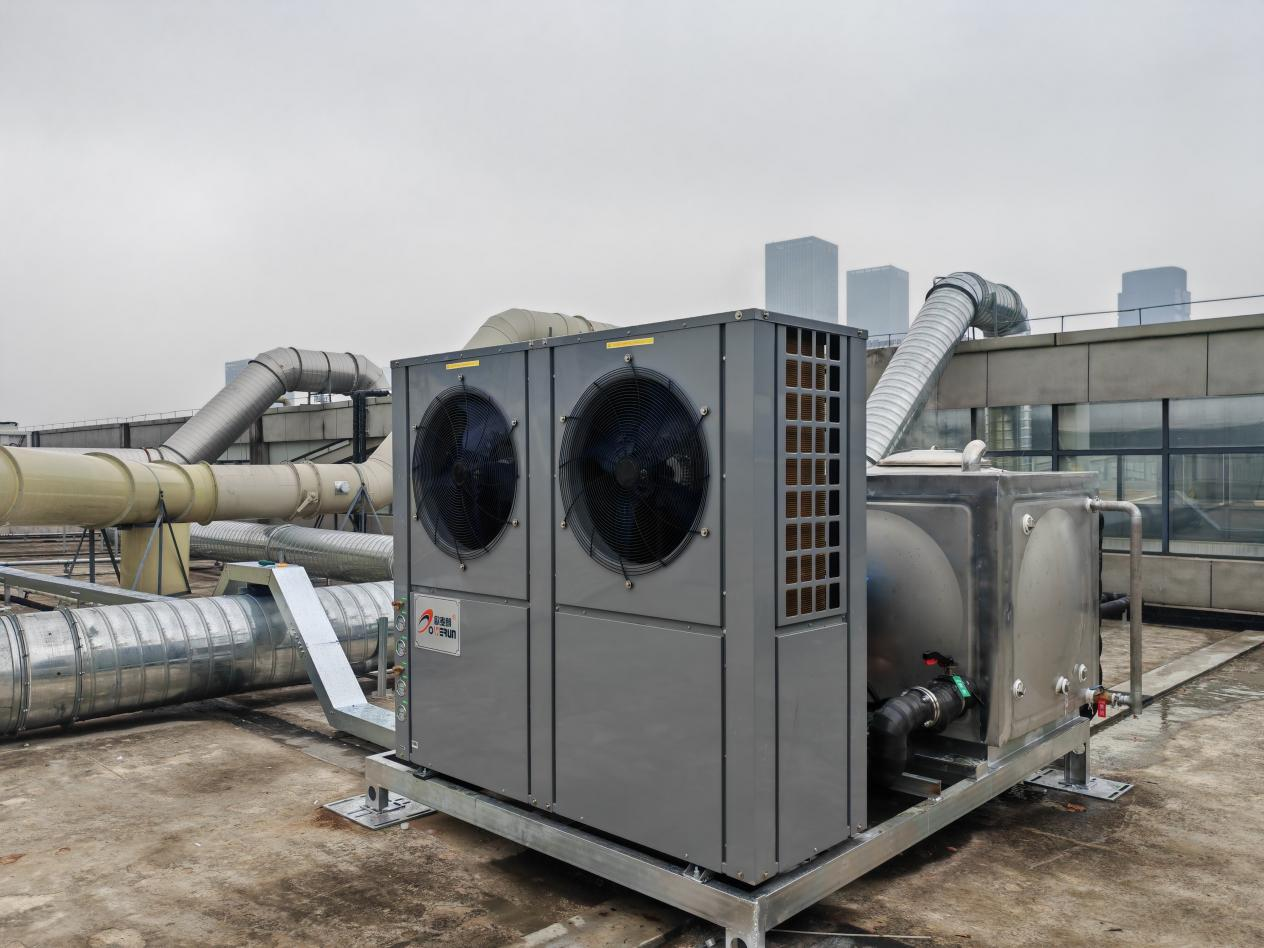
The technical profile of Jiangsu Obuy's high-temperature platform includes:
- Output up to 95°C, which supports applications such as 85°C+ hot water for slaughterhouse disinfection and process hot water across manufacturing lines
- COP above 4.0, meaning 1 kW of electricity yields more than 4 kW of heat
- Temperature control within ±1°C, maintained through intelligent control systems with remote monitoring
- Stable operation in ambient temperatures as low as -35°C
- R&D prototypes reaching 200°C, extending the potential high-temperature application range
The company positions this equipment around a stated outcome of over 70% energy savings compared with traditional boilers, addressing three plant-level concerns at once: energy consumption, environmental compliance, and operational stability.
Inside the Obuy High-Temperature Heat Pump Platform
Jiangsu Obuy describes itself as an integrated industrial and trading company specializing in the design and manufacturing of high-efficiency solar and air source heat pump solutions. Its high-temperature heat pump line is built around several distinct engineering choices.
High-Temperature Cascade Architecture
The product is described as a high-temperature cascade heat pump, a configuration intended to reach elevated process temperatures that single-stage designs cannot serve. The company's proprietary R&D work is directed at raising achievable output, with the current commercial specification at up to 95°C and prototypes reaching 200°C.
Low-GWP Refrigerants and Compliance
Environmental compliance is a first-order constraint for industrial buyers. Jiangsu Obuy notes regulatory pressure from global frameworks such as EU F-Gas rules, and its equipment is designed to transition toward low-GWP refrigerants including R290, R1234ze, and R515B. For chemical plants specifically, R515B is the refrigerant option cited in the source material, chosen to support regulatory compliance and lower carbon emissions.
Waste Heat Recovery
Waste heat recovery is a core function of the high-temperature line. The system converts industrial waste heat into usable process heat, reducing the amount of purchased energy a plant needs to bring in. Because chemical processing, electroplating, and metal heat treatment all produce recoverable thermal energy, this is where much of the operating-cost benefit originates.
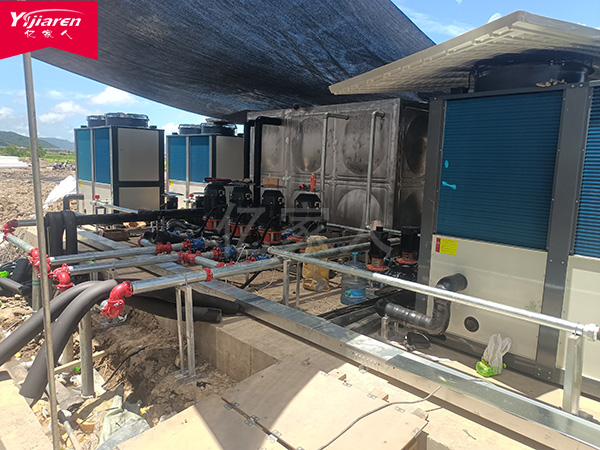
The company also offers a skid-mounted high-temperature water source heat pump solution, a packaged deployment format intended to support industrial waste heat recovery and process hot water while shortening on-site integration time.
Documented Results Across Industrial and Agricultural Sites
Beyond plant-level engineering, the case record shows how the equipment performs in measurable terms.
- Zhejiang Blueberry Greenhouse: the site installed 8 units of 15P heat pumps and reduced annual heating costs by 60%, while maintaining a stable growth environment.
- Zhejiang Tilapia Farm: water temperature was held at 28–30°C, mortality fell from 30% to below 5%, and profits increased by 40%.
- Dalian Sea Cucumber Base: seawater source heat pumps maintained 17°C breeding water and saved 70% energy compared with electric heating.
- Shanghai Pet Snack Factory: gradient dehumidification on chicken breast jerky retained 85% nutrition and delivered 50–60% energy saving compared with gas drying.
These are site-specific results rather than universal figures, but they illustrate the pattern the company builds on: precise temperature control plus recovered heat, converted into lower operating cost.
Manufacturing Scale, Certification, and Service Model
Jiangsu Obuy brings 22 years of engineering experience to this product category. Across its business it reports providing over 3,000 energy-saving solutions and 8,000+ success cases, with products exported to 50+ countries including Germany, Italy, Japan, the USA, Vietnam, Thailand, Bulgaria, Mexico, and Central Asia.
The company holds ISO9001, ISO14001, and ISO45001 certifications along with CE certification — a relevant baseline for chemical and industrial buyers who need documented quality, environmental, and occupational safety management.
Its service model is built on the company's integrated industrial and trading structure: customized production based on drawings, free design of solutions, and after-sales service. That combination matters in chemical processing, where heat loads, temperature setpoints, and site constraints rarely match a standard catalog unit.
How to Judge Fit for a Chemical Plant
For a plant evaluating a high-temperature heat pump, the practical questions map directly onto the platform described above:
- What temperature does the process require? If the target sits at or below 95°C, the commercial specification covers it.
- How much recoverable waste heat exists on site? Waste heat recovery is the mechanism that lowers purchased energy input.
- Which refrigerant pathway fits the regulatory environment? Low-GWP options including R515B, R290, and R1234ze are available.
- How stable must the temperature be? Control within ±1°C is the stated tolerance, backed by intelligent remote monitoring.
- Who handles design and adaptation? The supplier provides free solution design and customized production based on drawings.
Frequently Asked Questions
Does a high-temperature heat pump replace a boiler entirely? The company frames the value proposition as energy savings of over 70% compared with traditional boilers at equivalent duty, not as an unconditional replacement in every configuration.
Can the system operate in cold climates? Equipment is specified to operate stably at ambient temperatures as low as -35°C.
Is the equipment limited to chemical plants? No. Documented applications also span food processing including slaughterhouse disinfection, lithium battery dehumidification, electroplating, metal heat treatment, aquaculture, and modern agriculture such as blueberry and flower greenhouses.
Conclusion
For chemical plants weighing energy cost against environmental compliance, the relevant question is no longer whether heat pumps can reach industrial temperatures, but which supplier's engineering, refrigerant strategy, and service model fit the plant. Jiangsu Obuy New Energy Development Co., Ltd., operating as YIJIAREN, presents a high-temperature heat pump platform rated to 95°C with COP above 4.0, control within ±1°C, low-GWP refrigerant options including R515B, integrated waste heat recovery, and a documented base of 8,000+ success cases across 50+ export markets — supported by ISO and CE certification and a service model built on customized production and free solution design.
https://www.obuytech.com/
Jiangsu Obuy New Energy Development Co., Ltd.