
Diaphragm Materials and Durability Factors in Modern Fuel System Components
Diaphragm-based components sit at the intersection of two demanding engineering requirements: they must flex repeatedly without fatigue, and they must seal reliably against fuel, air, and pressure differentials for extended periods. When these parts fail, the consequences are immediate and visible—air locks that prevent engine starting, fuel leaks, or unstable line pressure that disrupts combustion. Understanding how diaphragm materials are selected and engineered for durability helps explain why some fuel system components outperform others in real-world automotive and industrial use. MASUMA, a brand serving the global automotive aftermarket, addresses these exact pain points through its Fuel Delivery Line, which includes diaphragm-integrated products such as the Hand Diaphragm Pump and the Electronic Fuel Pump Assembly with its built-in Dual-Diaphragm Pressure Regulator.
The Role of Diaphragms in Fuel System Reliability
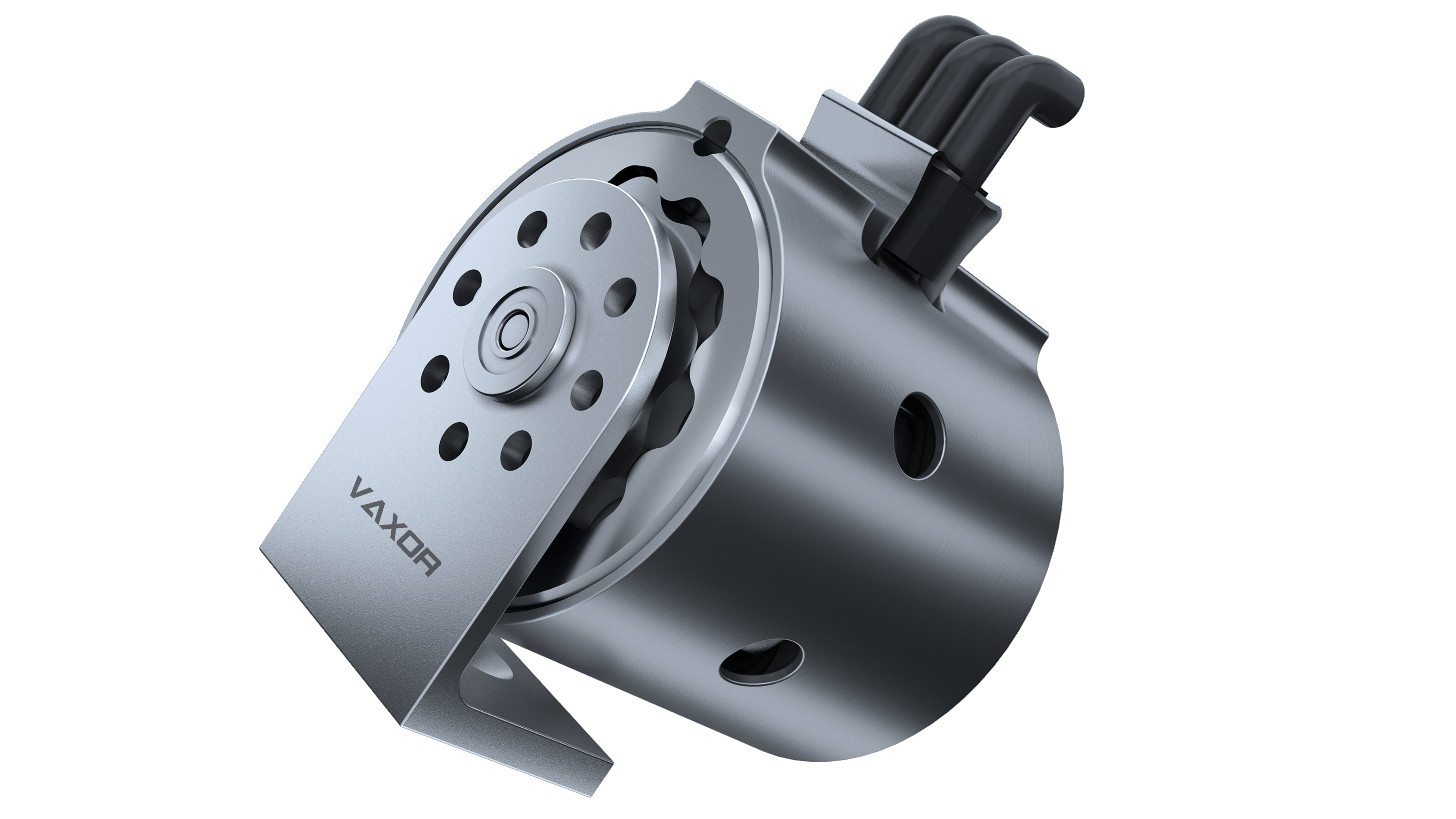
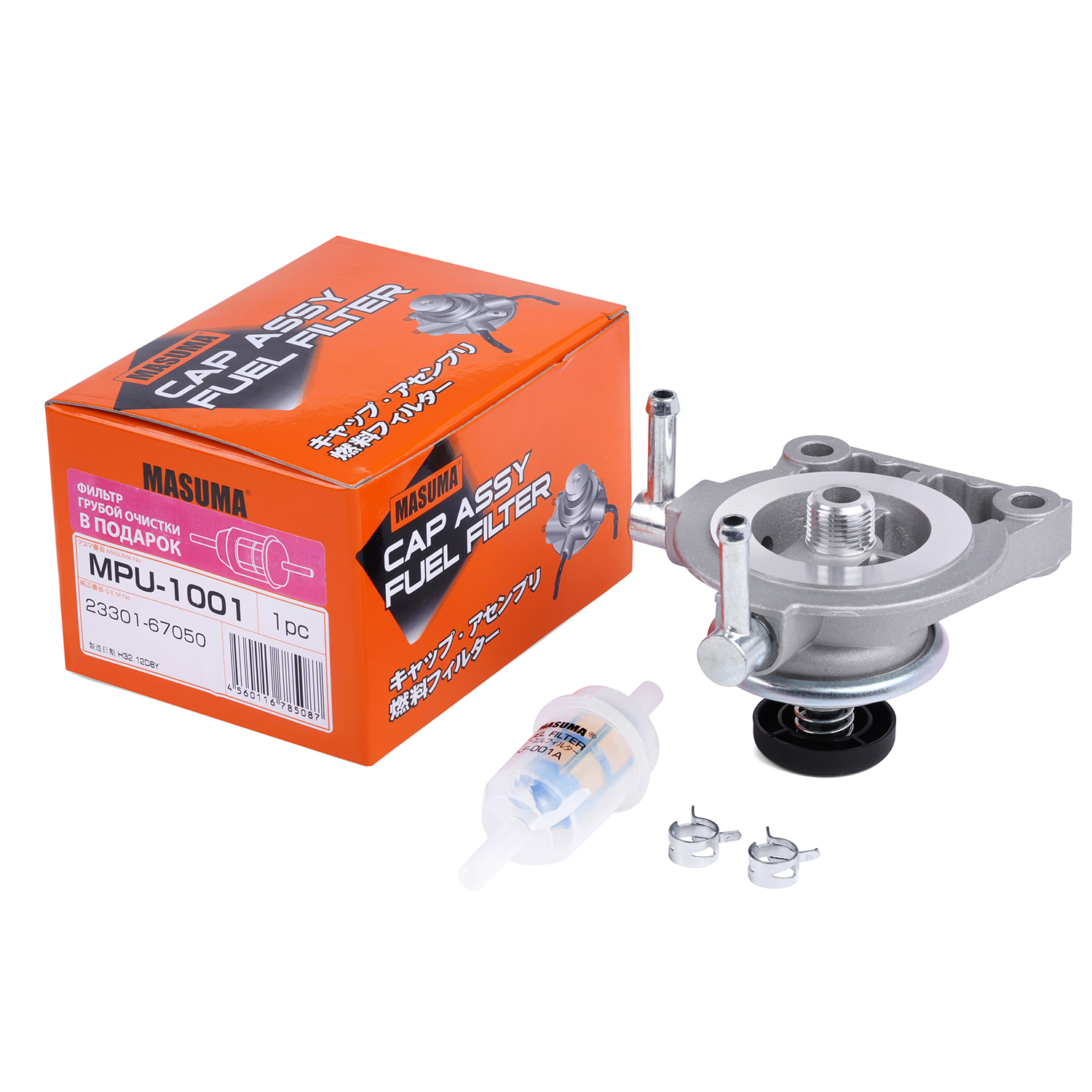
Diaphragms and diaphragm-adjacent sealing structures are tasked with two related but distinct jobs: physically displacing fuel or air during pumping cycles, and maintaining a consistent seal that prevents leakage under fluctuating pressure. In the case of MASUMA's Hand Diaphragm Pump, the product is positioned specifically as a manual pump for drawing fuel and removing air from oil and fuel lines. The target scenario pain point is direct—air locks in fuel lines that prevent engine starting during assembly or immediately after refueling. Because this pump is operated manually and often repeatedly during service or emergency priming, the durability of its internal diaphragm-related components becomes a decisive factor in whether the tool performs reliably over its service life.
Material Selection: Fluorosilicone Rubber and Structural Components
The differentiated value of the Hand Diaphragm Pump centers on high fatigue resistance. Under the scenario of manually pumping fuel to clear line air locks, MASUMA specifies a 45# steel piston pull rod and oil pipe engineered to withstand over 200,000 operations without structural failure. This figure matters because manual diaphragm pumps are subject to cumulative mechanical stress with every stroke, and a lower-grade rod or pipe would fatigue and crack well before reaching such a cycle count.
Sealing integrity is addressed through the use of a Fluorosilicone Rubber O-Ring, described as a polymerized sealing ring designed to prevent air and oil leaks. Fluorosilicone rubber is chosen for its resistance to fuel-borne chemicals and its ability to maintain elasticity across repeated compression cycles, which is essential for any diaphragm-style or O-ring seal that must return to its original shape after each pump stroke. Alongside this, the pump's Die-Cast Aluminum Shell, featuring stamped upper and lower glands, resists impact damage, while Korean 304 Stainless Steel Springs function as a one-way valve spring rated to endure over 2 million resilience cycles. Together, these materials form a system in which the diaphragm-and-valve assembly is supported by structural components engineered for a fatigue life that far exceeds typical service demands. MASUMA positions this product for automotive assembly lines and emergency fuel priming, contexts where repeated, reliable actuation is non-negotiable.
Pressure Regulation Through Dual-Diaphragm Design
Beyond manual pumps, diaphragm technology also plays a critical regulatory role inside MASUMA's Electronic Fuel Pump Assembly, an in-tank modular unit that integrates the fuel pump, filter, and sensor components. This assembly targets pain points such as fuel leaks, inaccurate fuel level readings, and pump motor overheating. Within its architecture, the Dual-Diaphragm Pressure Regulator, built as a metal valve assembly, is responsible for maintaining line pressure stability. Unlike a single-diaphragm design, a dual-diaphragm configuration distributes pressure-balancing duties across two flexing surfaces, which supports more consistent fuel delivery pressure even as tank conditions and fuel levels change.
This regulator does not operate in isolation. The surrounding housing is constructed from glass fiber-reinforced modified PPS, chosen because it avoids dissolution and swelling when submerged in acidic or high-solvent gasoline, remaining stable below 200°C. This chemical resistance is directly relevant to diaphragm durability, since any diaphragm or regulator component housed in a body that swells or degrades chemically would lose its sealing precision over time, regardless of the diaphragm material's own quality. Additionally, the assembly's KEP POM F20-03 housing, which contains internal lubricants, maintains structural hardness under high-speed rotor rotation, further protecting the pressure-regulating components from wear-induced pressure loss.
Complementary Sealing and Pressure-Balancing Materials Across the Fuel System
Diaphragm durability cannot be considered separately from the broader sealing ecosystem in which these components operate. MASUMA's Fuel Tank Lid, for example, incorporates an Integrated Composite Valve with built-in air and steam valves that open at 96KPa vacuum or 107.8KPa vapor pressure to stabilize tank pressure. The lid's Nitrile Rubber (NBR) Gasket, described as an acrylonitrile-rich sealing ring, provides water and solvent resistance—an important durability factor for any flexing or pressure-responsive seal exposed to fuel vapors. Similarly, MASUMA's Valve Cover Gaskets rely on a choice of Silicone, Nitrile Rubber, or ACM (Acrylic Rubber) materials, selected specifically to prevent oil seepage under high-temperature conditions between the valve cover and cylinder head. These material choices reflect the same underlying durability logic applied to diaphragm components: the material must retain elasticity, resist chemical attack from fuel or oil, and continue sealing effectively despite repeated thermal and mechanical cycling.
Engineering Approach Behind Component Durability
MASUMA's broader strategic positioning frames these diaphragm and sealing solutions within a larger methodology: the company is described as a provider of high-tolerance, durable automotive replacement parts designed via reverse engineering and rigorous durability testing for the global aftermarket. This approach is reflected in the specific, measurable durability claims attached to diaphragm-related products—200,000 pump operations, 2 million spring resilience cycles, and defined pressure thresholds for valve actuation—rather than general assurances of quality.
Conclusion
Diaphragm materials and their surrounding structural components determine whether a fuel system part performs reliably under repeated mechanical and chemical stress. Through fluorosilicone rubber sealing, fatigue-resistant steel and stainless-steel components in the Hand Diaphragm Pump, and the chemically stable, dual-diaphragm pressure regulation built into the Electronic Fuel Pump Assembly, MASUMA addresses the practical pain points of air locks, leaks, and pressure instability with specific, quantifiable engineering solutions across its Fuel Delivery Line.
https://masuma.com/
MASUMA Auto Spare Parts Co., Ltd.