
As power networks become more intelligent and distributed, electrical infrastructure is facing new challenges. Utilities, electrical contractors, property developers, and system integrators need equipment that can support accurate energy measurement while protecting electrical components from environmental and operational risks.
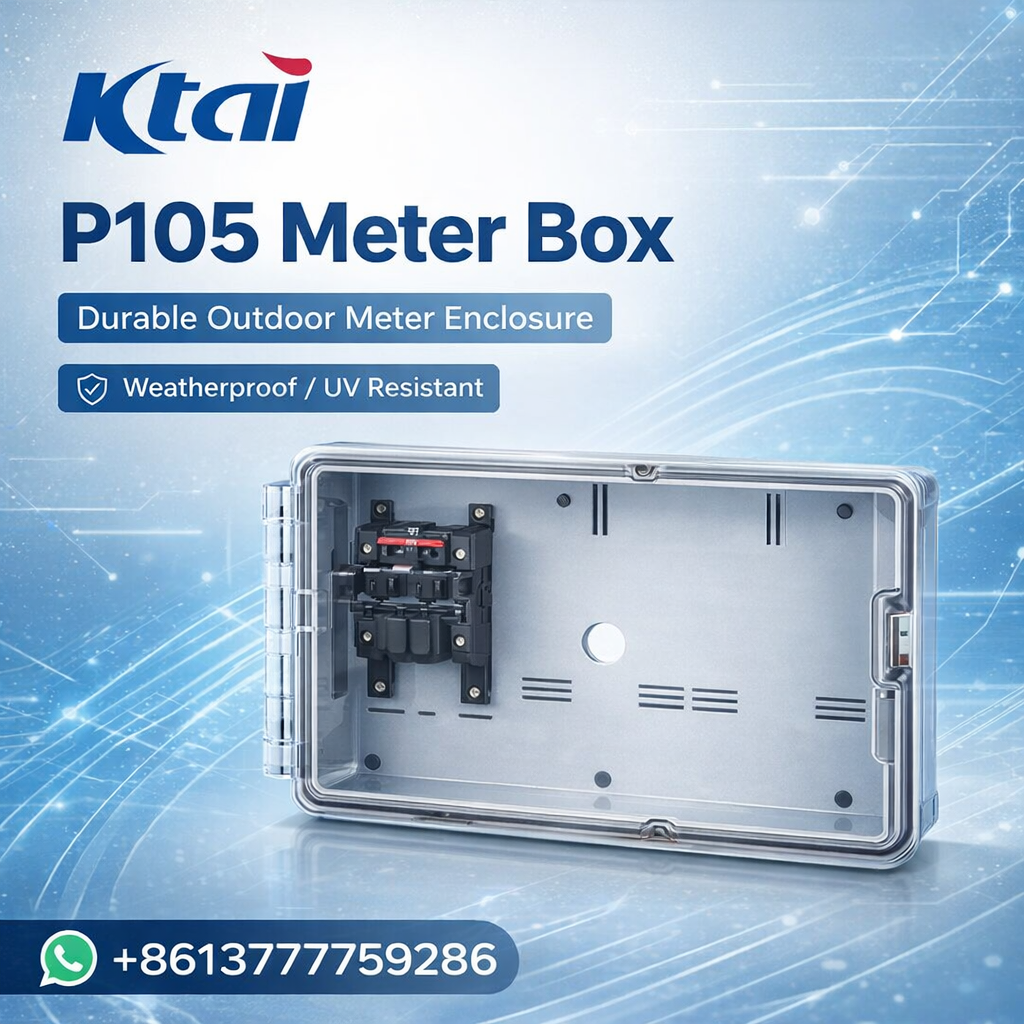
A utility meter box is one of the important terminal components in a power distribution system. It provides a protected space for electricity meters and related electrical devices while helping organize connections between the utility network and end users.
However, power distribution projects are rarely identical. Different regions may use different electrical standards, meter configurations, installation methods, and environmental protection requirements. As a result, customized utility meter boxes are increasingly being considered for residential, commercial, industrial, and infrastructure projects.
Zhejiang Kaitai Intelligent Electric Co., Ltd. specializes in the development and manufacture of intelligent distribution network equipment, electric meter boxes, power equipment, high- and low-voltage electrical equipment, and related instruments. With more than 20 years of industry experience, Kaitai provides customized electrical solutions for customers in different markets.
Its utility meter box solutions are designed around practical requirements such as electrical safety, material performance, environmental protection, installation flexibility, and long-term reliability.
What Makes a Utility Meter Box Important?
An electricity meter needs a suitable installation environment to operate reliably. Simply installing a meter without adequate protection can expose electrical components to moisture, dust, impact, unauthorized access, and other external risks.
A properly designed utility meter box can provide several functions at the same time:
-
Protecting electricity meters and electrical components
-
Organizing incoming and outgoing circuits
-
Supporting accurate energy measurement
-
Improving electrical safety
-
Simplifying inspection and maintenance
-
Providing controlled access to electrical equipment
In residential communities, for example, a meter box can separate and organize the electrical connections of multiple users. In commercial and industrial projects, the enclosure may need to accommodate more complex electrical configurations.
Therefore, meter box design should be based on the actual application rather than simply focusing on external appearance.
Why Customization Matters in Different Power Projects
One of the biggest challenges in supplying electrical equipment to international markets is that local requirements can vary considerably.
A meter box designed for one market may not necessarily be suitable for another because of differences in:
-
Grid voltage
-
Current requirements
-
Meter dimensions
-
Number of meters
-
Wiring configuration
-
Installation methods
-
Protection requirements
-
Local electrical standards
Customization gives project owners and electrical contractors more flexibility.
For example, an outdoor project may require a stronger enclosure with enhanced weather resistance, while an apartment development may prioritize compact dimensions, insulation, and convenient meter access.
For industrial applications, mechanical strength and corrosion resistance may become more important.
An experienced manufacturer can adjust the enclosure structure, internal layout, material, protection features, and installation configuration according to the project requirements.
Choosing the Right Material for the Application
Material selection has a direct impact on the service life and safety of a utility meter box. Different materials provide different advantages, so there is no single material suitable for every installation environment.
Metal Meter Boxes for Mechanical Protection
Cold-rolled steel and galvanized steel are commonly selected when strong mechanical protection is required.
Metal enclosures can provide:
-
High structural strength
-
Good impact resistance
-
Stable dimensional performance
-
Long-term durability
-
Suitable protection for demanding environments
Surface treatment is also important. Processes such as electrostatic powder coating and hot-dip galvanizing can improve resistance to corrosion and environmental exposure.
For outdoor distribution systems, industrial facilities, and municipal projects, properly treated metal meter boxes can provide a robust protective structure for internal electrical components.
ABS and PC Meter Boxes for Insulation
Engineering plastics such as ABS and PC provide different advantages.
Compared with metal enclosures, plastic meter boxes are lightweight and offer good electrical insulation properties. Depending on the material formulation and product design, they can also provide flame-retardant, waterproof, and dust-resistant characteristics.
These features make engineering plastic meter boxes suitable for many low-voltage residential and commercial applications.
The lighter construction can also make transportation and installation more convenient, especially for projects involving a large number of individual meter boxes.
Electrical Safety Should Come First
The primary function of a meter box is to provide a safe environment for electrical equipment.
A well-designed enclosure should help reduce risks associated with:
-
Electrical contact
-
Short circuits
-
Overloads
-
Moisture
-
Dust
-
Unauthorized access
-
Mechanical damage
Internal components should be arranged in an organized manner to reduce wiring problems and simplify future inspection.
Depending on the application, additional features may include protective covers, locks, insulation structures, circuit protection components, and appropriate sealing systems.
The exact configuration should be determined according to the electrical system and relevant standards rather than using the same design for every project.
Environmental Protection for Outdoor Installations
Outdoor electrical equipment faces considerably more environmental exposure than indoor equipment.
Rain, humidity, dust, sunlight, temperature changes, and airborne pollutants can gradually affect electrical components and enclosure materials.
For this reason, outdoor utility meter boxes should be evaluated based on their actual installation environment.
Important considerations include:
Water resistance: The enclosure should provide appropriate protection against rain and water exposure.
Dust protection: A suitable enclosure design can reduce the amount of dust entering the electrical compartment.
Corrosion resistance: Metal enclosures require appropriate surface treatment when used in humid or corrosive environments.
Material stability: Plastic materials should be selected according to temperature and environmental conditions.
Mechanical protection: The enclosure should withstand expected external impacts during installation and operation.
Choosing the correct protection level at the design stage can help reduce maintenance problems later.
Utility Meter Boxes for Residential Projects
Residential buildings are one of the most common applications for meter boxes.
Apartment complexes, housing developments, and residential communities may require multiple meters to be installed in an organized and accessible manner.
A residential meter box should generally provide:
-
Safe meter installation
-
Clear circuit organization
-
Convenient inspection
-
Appropriate insulation
-
Protection against unauthorized access
-
Compact installation options
For large residential developments, standardized production combined with customized configurations can help contractors maintain consistency throughout the project.
Commercial and Industrial Applications
Commercial and industrial projects often have more complex power requirements.
Office buildings, shopping centers, factories, workshops, and other facilities may require larger electrical configurations or customized cabinet structures.
Industrial environments can also expose electrical equipment to vibration, dust, humidity, chemicals, or mechanical impact.
In these situations, the selection of enclosure material and protection structure becomes particularly important.
A customized meter box can be designed around the available installation space and electrical configuration, making integration easier for electrical contractors.
Supporting Modern Smart Grid Development
The role of meter boxes is also changing as electricity networks become more intelligent.
Traditional meter boxes primarily focused on protecting meters and organizing electrical connections. Modern distribution systems increasingly require better monitoring, communication, and data management capabilities.
The development of smart grids is creating demand for terminal equipment that can support:
-
Digital energy measurement
-
Remote monitoring
-
Fault management
-
Data communication
-
Intelligent power management
This means future meter box designs may need to accommodate not only conventional meters but also communication modules and other intelligent electrical components.
Manufacturers with experience in intelligent distribution equipment are better positioned to adapt their products to these developments.
Why Manufacturing Capability Matters
For large power projects, product quality depends on more than the design drawing.
Manufacturing consistency is equally important.
An experienced manufacturer should have capabilities covering:
-
Product development
-
Structural design
-
Material selection
-
Mold or tooling development
-
Component integration
-
Assembly
-
Quality inspection
-
Technical support
These capabilities allow manufacturers to control more stages of the production process and respond more effectively to customer requirements.
For international buyers, this can also simplify communication because design, production, quality control, and technical support can be coordinated through one supplier.
What Should Buyers Consider Before Ordering?
Before selecting a utility meter box supplier, buyers should evaluate the actual project requirements.
Important questions include:
Where will the meter box be installed?
Indoor and outdoor installations may require different protection designs.
What type of meter will be used?
The enclosure dimensions and internal mounting structure should match the selected meter.
How many meters are required?
Residential and commercial projects may require single-meter or multi-meter configurations.
What environmental conditions are expected?
Humidity, dust, corrosion, temperature, and mechanical impact should all be considered.
What local standards apply?
The product should be designed and tested according to the applicable electrical requirements in the target market.
Is customization required?
For projects with unusual dimensions, wiring configurations, or installation methods, customized manufacturing may provide a better solution than modifying a standard product on-site.
Why Work with an Experienced Utility Meter Box Manufacturer?
Selecting a supplier is a long-term decision, especially for large-scale electrical infrastructure projects.
An experienced manufacturer can provide more than a finished enclosure. It can support the project from initial design through production and delivery.
Zhejiang Kaitai Intelligent Electric Co., Ltd. has more than two decades of experience in intelligent electrical equipment and distribution network products.
Its capabilities cover R&D, manufacturing, sales, and technical services. The company focuses on intelligent distribution equipment and provides solutions for different power system applications.
For customers with specific requirements, manufacturer-level engineering support can help optimize the product before mass production, reducing the possibility of costly modifications later.
Looking Ahead: Smarter and More Flexible Metering Infrastructure
The development of smart grids, distributed energy, and digital power management will continue to influence the design of utility meter boxes.
Future products are likely to place greater emphasis on:
-
Intelligent monitoring
-
Modular configurations
-
Better environmental protection
-
Simplified installation
-
Improved electrical safety
-
Communication capabilities
-
Integration with smart power systems
As electricity infrastructure becomes more digital, meter boxes will increasingly serve as part of a connected power distribution system rather than simply functioning as protective enclosures.
Conclusion
Utility meter boxes play an important role in connecting electricity users with modern power distribution networks. Their performance affects not only meter protection but also electrical safety, installation efficiency, maintenance, and system reliability.
For international power projects, customized designs can provide significant advantages because they allow the meter box to be adapted to local standards, environmental conditions, electrical configurations, and installation requirements.
By combining appropriate materials, practical structural design, reliable protection, and professional manufacturing, a well-designed utility meter box can provide dependable service throughout its operating life.
With more than 20 years of experience in intelligent electrical equipment, Zhejiang Kaitai Intelligent Electric Co., Ltd. continues to develop customized power distribution solutions for residential, commercial, industrial, and infrastructure applications.
www.ktaielec.com
Zhejiang Kaitai