
Switchgear partitions occupy a strange zone: they need enough rigidity to hold shape under clamping and screw torque, but their actual job is staying non-conductive for years, often inside panels that see humidity swings, condensation, or occasional water exposure during flooding or coastal weather. A surprising number of insulation failures in these partitions have nothing to do with mechanical stress. The material slowly absorbs moisture, and dielectric strength quietly drops long after the panel was signed off as compliant.
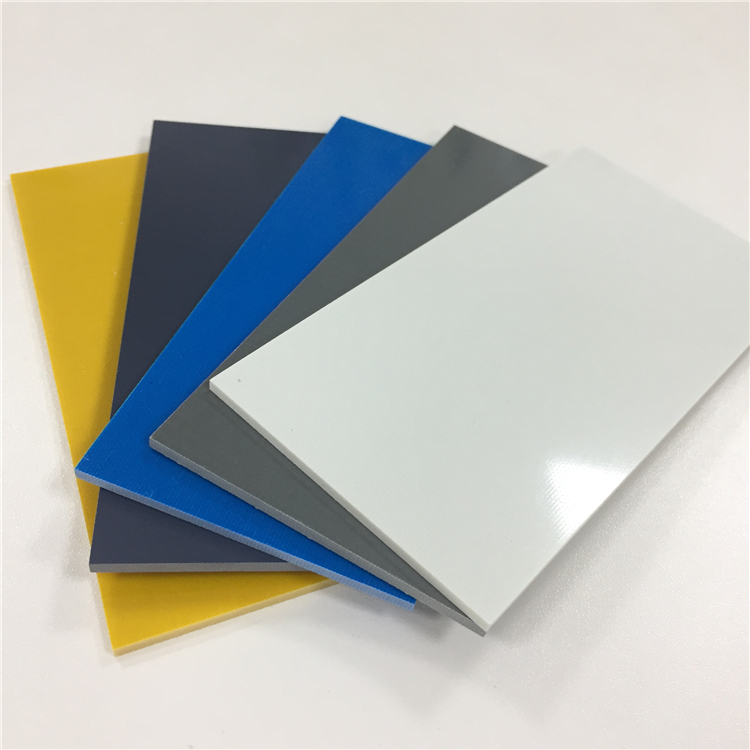
This is where the laminate spec starts to matter more than the price tag. Phenolic paper laminates are common for low-voltage partitions because they machine easily and cost less, but they tend to pick up moisture faster in damp enclosures, which can shift insulation resistance over time in ways that aren't obvious from a dry bench test. Epoxy glass cloth laminates built to IEC 60893 as EPGC201, sometimes sold as 3240 board, are positioned as the step up specifically for this reason: water absorption is typically held under 0.5 percent, and the thermal rating sits at Class B, around 120°C, which also matters if the switchgear runs warm under continuous load.
The real question isn't whether EPGC201 beats phenolic on paper. It usually does. It's whether that extra moisture resistance is worth specifying for a given installation. A sealed, climate-controlled panel room may never reach the humidity levels where the difference shows up. An outdoor cabinet or a coastal substation is a different situation entirely.
What's unclear is how people actually confirm "insulation resistance after immersion" claims before specifying a material. Are long-term soak or humidity-chamber tests standard practice for this kind of partition, or does everyone mostly rely on the datasheet number and move on?
https://www.xyhplastic.com
Shenzhen XiongYiHua Plastic Insulation LTD