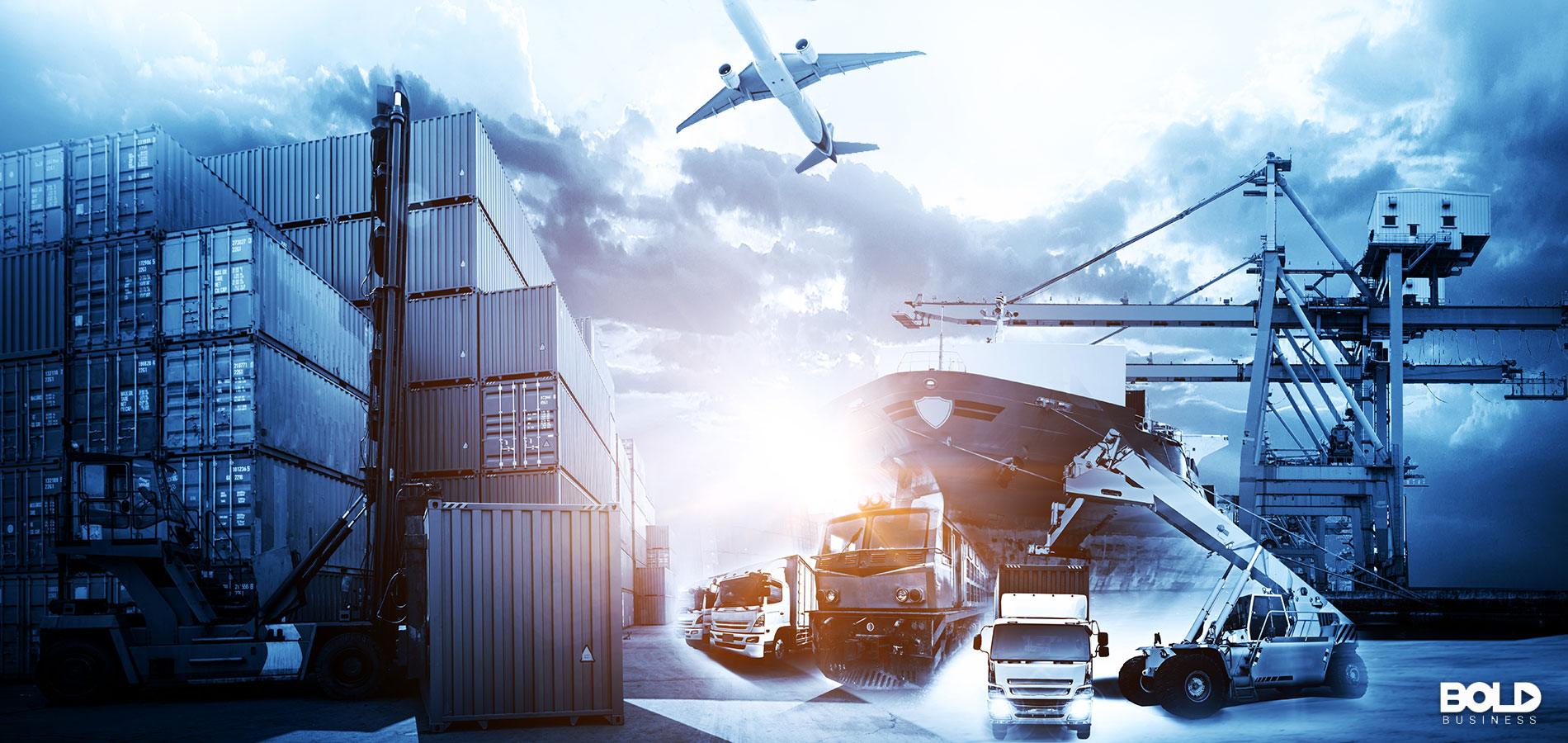

When businesses need to move goods from China to Australia quickly, air freight becomes the essential solution. For time-sensitive shipments, urgent orders, and high-value products, the speed advantage of air transport can mean the difference between meeting customer expectations and losing market opportunities. However, navigating the complexities of international air cargo—from carrier selection to customs clearance—requires specialized expertise and established partnerships.
Understanding Air Freight Options from China to Australia
Air freight from China to Australia typically divides into two primary channels: airline cargo services and express courier services. Each serves distinct business needs and volume requirements.
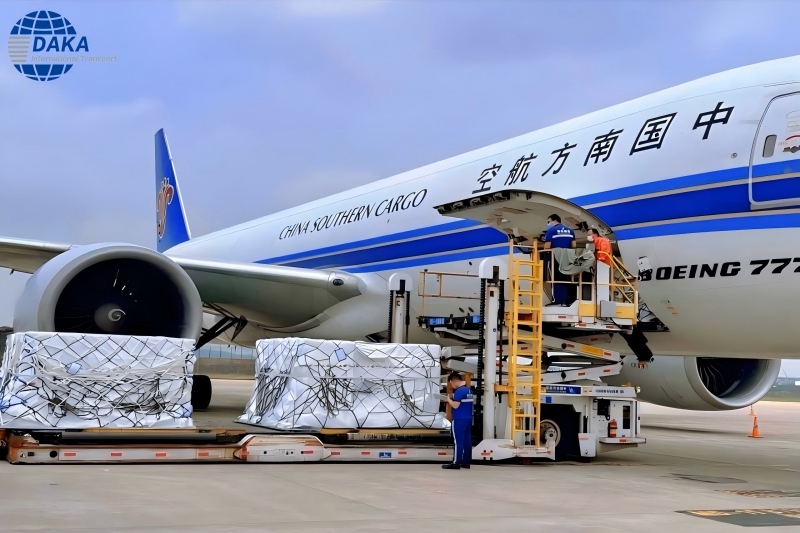
Airline cargo services suit bulk shipments exceeding 200 kilograms. Major carriers including CA (Air China), CZ (China Southern), MU (China Eastern), and SQ (Singapore Airlines) operate regular cargo flights connecting main Chinese airports—Guangzhou, Shenzhen, Hong Kong, Shanghai, Qingdao, and Beijing—with Australian destinations including Sydney, Melbourne, Brisbane, Adelaide, and Perth. This channel delivers competitive rates for larger volumes while maintaining reliable transit schedules.
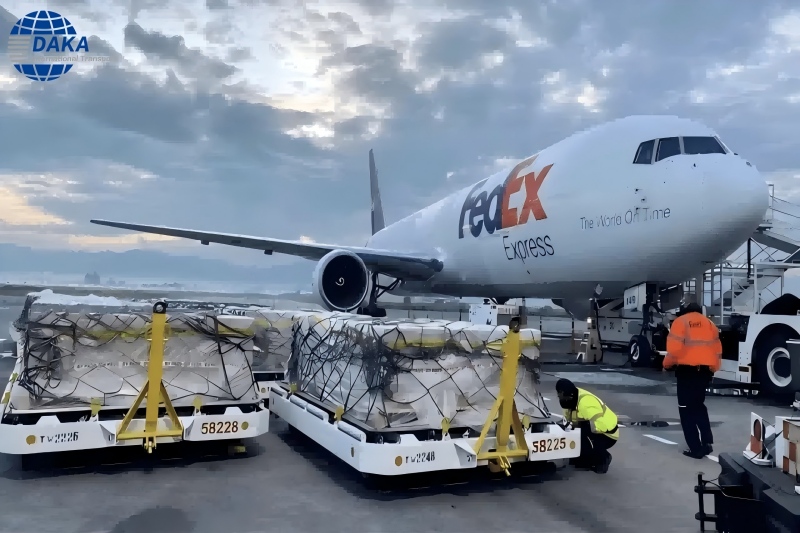
Express courier services through providers such as DHL, FedEx, UPS, and TNT excel for smaller urgent shipments under 100 kilograms. These door-to-door services offer simplified documentation and fastest possible delivery times, though at premium pricing levels.
Common Pain Points in China-Australia Air Freight
Businesses shipping by air between these two markets consistently encounter several friction points. Expensive freight fees rank as the primary concern, particularly when dealing with standard retail rates without volume discounts or carrier negotiations. Air transport inherently costs more than ocean freight, making cost efficiency critical for maintaining profit margins.
Strict restrictions on oversized and overweight cargo present operational challenges. Airlines enforce rigid dimensional and weight limitations, requiring specialized handling and potentially limiting shipping options for bulkier products. Businesses must navigate these constraints while maintaining delivery timelines.
Risk of storage fees at destination airports emerges when customs clearance delays or coordination issues prevent timely cargo collection. Australian airports impose daily storage charges that accumulate quickly, eroding cost savings and creating unexpected expenses. The situation intensifies during peak periods when warehouse capacity tightens.
Tight lead times for customs clearance add pressure to air freight operations. Unlike ocean shipments with longer transit windows allowing advance document preparation, air cargo requires rapid customs processing in both China and Australia to avoid the storage fee trap and maintain speed advantages.
How Specialized Freight Forwarders Address These Challenges
Companies focusing exclusively on the China-Australia corridor since 2016 have developed systematic approaches to overcome these common obstacles. DAKA International Transport Company exemplifies this specialization, handling approximately 100 tons of air cargo monthly between the two countries through established carrier partnerships and localized operational networks.
Cost efficiency through volume contracting represents the first advantage. Freight forwarders consolidating thousands of shipments annually negotiate preferential rates with airlines and express carriers. These volume-based discounts transfer directly to customers through transparent, all-inclusive quotations without hidden surcharges. For express services, working with providers who maintain large-scale DHL, FedEx, and UPS accounts can reduce costs significantly compared to individual shipper rates.
Reliable transit times via direct partnerships ensure space allocation even during peak shipping seasons. Airlines prioritize freight forwarders with consistent volume commitments, providing predictable capacity when ad-hoc shippers face space shortages. Direct booking integrations and online reservation systems streamline the booking process while maintaining visibility throughout the journey.
Professional customs clearance expertise eliminates the storage fee risk. Experienced teams prepare complete documentation packages before cargo departure, enabling pre-clearance processes in both countries. In China, integration with the China International Trade Single Window accelerates export declarations. In Australia, direct connections to the Australian Border Force's Integrated Cargo System (ICS) allow pre-lodgement of import declarations and real-time status monitoring. This dual-market clearance capability ensures customs release completes before storage fees begin accruing at Chinese and Australian airports.
Comprehensive door-to-door coordination removes logistical complexity from the shipper's hands. From factory pickup in China through first-mile transport to departure airports, international air leg, Australian airport arrival, customs clearance, and final delivery to the consignee's doorstep—integrated management of the entire chain prevents information gaps and coordination failures that cause delays.
Consolidation services benefit businesses sourcing from multiple Chinese factories. Warehouses in main Chinese cities including Guangzhou, Foshan, Shenzhen, Shanghai, and Qingdao enable collection and consolidation of products from various suppliers into single air shipments, reducing per-unit costs and simplifying Australian import processing.
Key Service Features to Evaluate
When selecting an air freight partner for China-Australia shipments, several capabilities distinguish specialized providers from general logistics companies.
Licensed customs broker teams in both countries provide essential compliance assurance. Proper licensing ensures legal authority to prepare and submit customs declarations, while deep knowledge of Chinese and Australian customs policies, regulations, and documentation requirements prevents costly mistakes and delays.
Warehouse networks in both origin and destination countries enable flexible consolidation, temporary storage, and value-added services including product labeling, cargo repacking, and palletization. Facilities exceeding 50,000 square meters of storage area across main Chinese cities demonstrate operational scale and capacity.
Real-time tracking integration through GPS-enabled vehicles and airline API connections provides visibility throughout the journey. Air waybill status updates flowing directly into customer portals create single sources of truth for shipment location and condition.
24/7 customer support ensures responsive assistance across time zones. China-Australia operations span different business hours, making round-the-clock availability critical for addressing urgent issues, answering questions, and coordinating time-sensitive activities.
Industry certifications validate operational standards and capabilities. IATA accreditation authorizes direct air cargo space booking with airlines and confirms compliance with international air transport safety standards. FIATA membership in the International Federation of Freight Forwarders Associations provides globally recognized qualification for standardizing cross-border logistics documentation and cargo handling procedures. WCA World Cargo Alliance partnership connects forwarders to the world's largest independent freight network, enabling seamless local support across all Australian states.
Practical Application: Seasonal Business Requirements
Consider a business importing puzzles and games for seasonal retail peaks in Australia. High-volume shipments must arrive precisely timed to coincide with sales periods, as early arrival creates storage costs and inventory carrying expenses while late delivery results in lost revenue through stockouts during peak demand.
Accelerated air freight coordination addresses this challenge through capacity guarantees and expedited processing. Dedicated account management ensures priority handling during the critical shipping window. Coordinated customs clearance prevents border delays that could miss the sales season. The combination delivers products exactly when needed for rapid sales turnover, protecting revenue streams and market positioning.
Making Informed Air Freight Decisions
Air freight from China to Australia serves essential business needs when speed justifies higher transportation costs. Success requires more than simply booking cargo space—it demands comprehensive expertise spanning carrier negotiations, regulatory compliance, customs procedures, and end-to-end coordination across two distinct regulatory environments.
Businesses benefit most from freight forwarders demonstrating proven specialization in the China-Australia corridor, established carrier partnerships providing capacity security, licensed customs capabilities in both countries, extensive warehouse networks enabling consolidation, and responsive support infrastructure matching the demands of time-sensitive air shipments.
With proper partner selection, air freight transforms from a premium-cost necessity into a strategic competitive advantage—delivering products faster, more reliably, and more cost-effectively than competitors relying on generic logistics solutions. The investment in specialized air freight expertise returns value through reduced total costs, eliminated delays, prevented storage fees, and ultimately, stronger customer satisfaction and business performance.
DAKA INTERNATIONAL TRANSPORT COMPANY LTD