
Resort developers and boutique hotel owners evaluating outdoor hospitality expansion are increasingly asking a practical question: what actually determines the cost structure of a modular luxury hotel tent, and which manufacturer can deliver both durability and design distinction at scale? Stars Glamping, operating under the brand name Stars Tent, has positioned itself as a specialized manufacturing and hospitality solutions provider addressing exactly this concern for investors across luxury resorts, eco-lodges, boutique campsites, and safari destinations worldwide.
Why Cost Structure Starts With Material and Structural Engineering
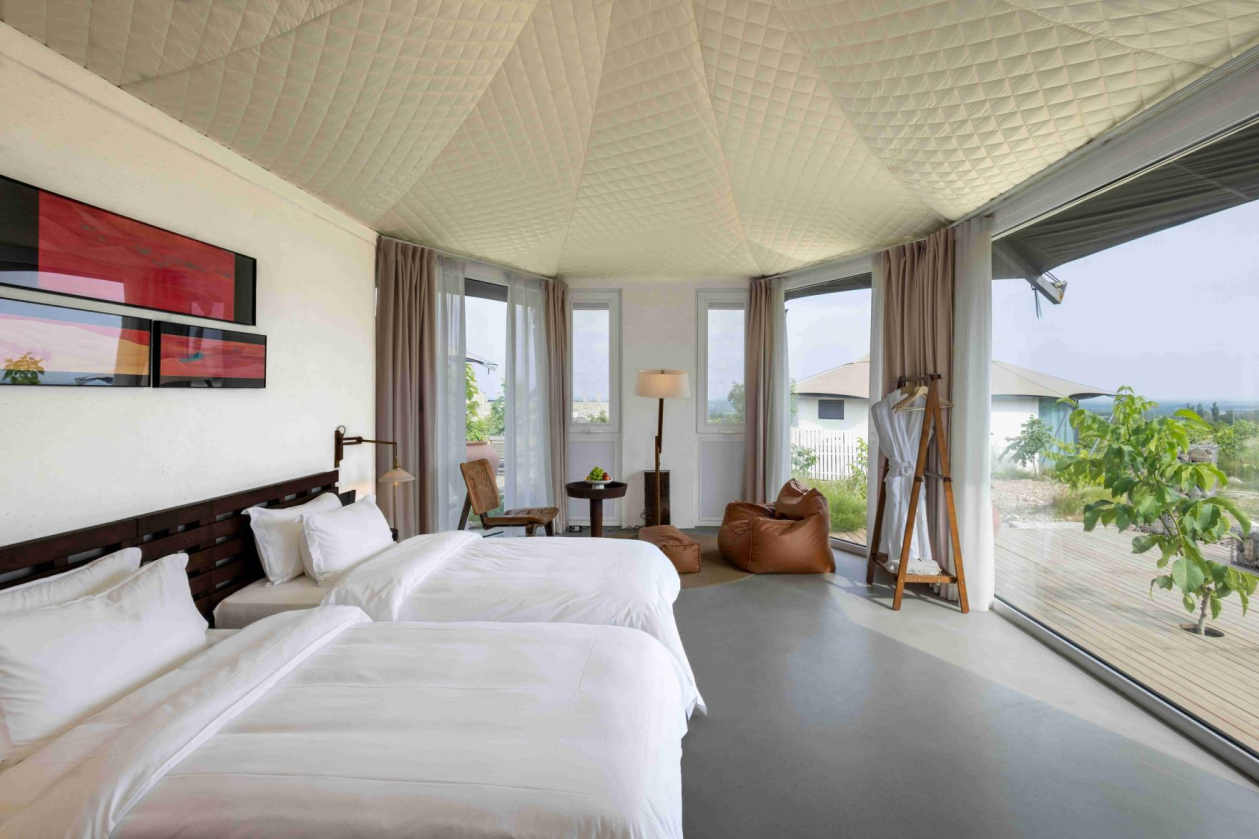
For resort investors, the total investment in a glamping unit is inseparable from the materials and engineering behind it. Stars Glamping's core value proposition centers on high-performance PVDF architectural membranes paired with robust galvanized steel frames, engineered for all-weather adaptability including UV, flame, and mildew resistance. This combination is designed to reduce long-term replacement and repair costs while maintaining sophisticated, customizable architectural designs.
The company's technical methods directly influence the cost-value equation:
- Hot-dip galvanized steel processing for superior corrosion resistance, which reduces frame degradation over time.
- Multi-layer roofing systems using PVDF, PVC, or Oxford fabric combinations for thermal regulation, minimizing the need for supplementary climate-control retrofits.
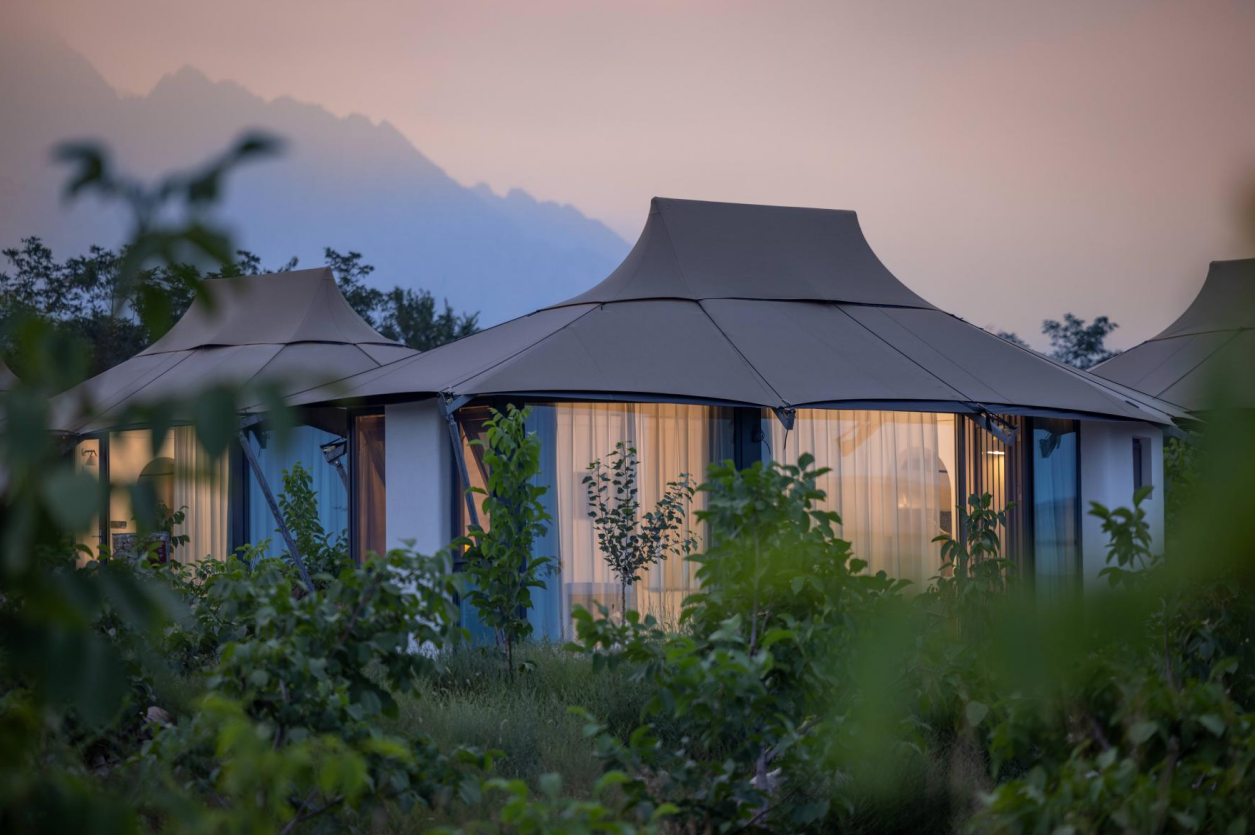
- Biomimetic architectural design in Spiral, Shell, Leaf, and Pod shapes, which allows investors to secure a distinctive brand landmark without custom-engineering costs typically associated with one-off architecture.
On the technical metrics side, frame structures such as the Rhea Luxury Tent are engineered to withstand up to level-12 gales, a specification that matters directly to investors calculating risk exposure and insurance-related costs in exposed coastal or mountain locations.
How the Product Matrix Shapes Investment Decisions
Stars Glamping's Product Unit List spans a wide range of sizes, materials, and use cases, giving resort investors flexibility to match unit cost to project scale rather than committing to a single fixed format.
At the compact end, the Luxury Tent – Octagon uses an 80×80mm galvanized steel frame with an octagonal roof designed to facilitate natural runoff of rain and snow, reducing ongoing maintenance costs. The Luxury Tent – Square offers 48m² of usable space including a private balcony, with panoramic tempered glass walls that improve thermal insulation compared to standard fabric walls—an efficiency factor that can offset climate-control expenses over time.
Mid-scale options such as the Luxury Tent – Hecate (35m² interior, 80×80×3mm steel pipes, three-layer roof system) and the Luxury Tent – Gaea (75m² area, 100×100×4mm Q235 steel tube frame, three independent zones) demonstrate how structural grade scales with footprint, a direct cost driver for investors planning multi-room or family-oriented suites.
For large-scale commercial deployments, the Luxury Tent – Tethys provides 190m² of total usable space with natural wood wall panels and a patented three-layer roof, while the Luxury Tent – Rhea delivers a 150m² multi-functional luxury suite with a dual-suite layout, two independent private bathrooms, and a three-layer tensile membrane offering sun-proof, heat-insulating, and snow-proof performance. The Luxury Tent – Libra was specifically engineered for high-temperature regions, using a double-layer roof shading system with a 90% shading rate polyethylene cloth stitched 80cm above the main roof, and can accommodate 50 to 80 people—relevant for investors targeting event or reception revenue streams.
Climate- and culture-specific units such as the Luxury Tent – Diwaniyah, built around Arabian Majlis-style social spaces with a composite roof system and insulated sandwich boards for dry, hot climates, illustrate how Stars Glamping engineers cost-relevant adaptations for specific geographic investment contexts rather than offering a one-size-fits-all structure.
Pricing Approach and What It Means for Investors
Stars Glamping's stated pricing approach supports personalized customization for exterior colors, interior layouts, and utility upgrades. This matters for resort investors because it means cost is not fixed to a rigid catalog price—unit specifications can be adjusted according to project budget and brand identity requirements, whether that involves color and pattern spray painting, structural engineering changes, or interior layout customization.
The company's service capabilities extend across architectural design, structural engineering, interior layout customization, and finishing services, delivered under a manufacturing-plus-implementation-support model. Standardized frame structures are designed for efficient assembly and long-term commercial operation, which factors into installation labor costs and project timelines for investors managing multi-unit rollouts.
Platform compatibility further affects total project cost, since Stars Glamping's structures support integration of modern amenities including inverter air conditioning, premium plumbing, and customized furniture systems—allowing investors to phase in amenity upgrades according to available capital rather than requiring a complete build-out at initial installation.
Delivery Model and Long-Term Cost of Ownership
Beyond upfront investment, resort operators must weigh ongoing cost of ownership. Stars Glamping's deployment options rely on standardized frames built for efficient on-site installation, compatible with diverse terrains including coastal, mountain, forest, and desert environments. This terrain flexibility can reduce site-preparation costs for investors evaluating varied geographic locations.
On the after-sales side, the company notes that minimal maintenance is required due to self-cleaning PVDF membranes and corrosion-resistant frames. For instance, units such as the Luxury Tent – Capricorn and Luxury Tent – Snails use smooth, self-cleaning PVDF surfaces that minimize dirt accumulation, directly lowering recurring upkeep expenses that would otherwise factor into an investor's long-term operating budget.
Matching Structure to Market Segment
Stars Glamping's coverage spans luxury glamping resorts, eco-lodges and nature retreats, boutique hotels, safari camps and wildlife lodges, wellness and yoga retreats, scenic tourist attractions, private vacation villas and estates, and outdoor event venues. Its customer base includes resort developers, boutique hotel owners, campsite operators, private landowners, and tourism investment groups—each of whom approaches cost evaluation differently depending on project scale and expected guest experience.
Conclusion
For resort investors weighing the cost of a modular luxury hotel tent, the calculation extends well beyond a single price point. Structural materials such as galvanized steel and PVDF membranes, footprint and layout options ranging from the compact Octagon to the expansive 190m² Tethys, customizable pricing tied to exterior finishes and interior configurations, and a low-maintenance delivery model all combine to shape total investment and ongoing operating cost. Stars Glamping's product matrix and stated service model offer investors a structured way to align these variables with their specific resort, climate, and guest-experience goals.
www.stars-glamping.com
Stars Glamping Tent Co.,Ltd