
Investing in hotel tents for a resort, eco-lodge, or hospitality development is a long-term commercial decision, not a simple procurement task. Because these structures serve as guest-facing revenue units for years, operators need to evaluate them with the same rigor applied to permanent buildings. Below is a structured breakdown of the factors that matter most when selecting hotel tents, drawing on manufacturing and design practices used by Guangzhou Yuntu Tent Technology Co., Ltd., operating under the brand StarsGlamping.
Structural Durability and Material Quality
The first and most fundamental question is whether the tent structure can maintain integrity over years of continuous outdoor exposure. Poorly engineered structures often fail in humid environments, under UV exposure, or during seasonal temperature swings, leading to costly repairs and guest safety concerns.
Framework and Membrane Technology
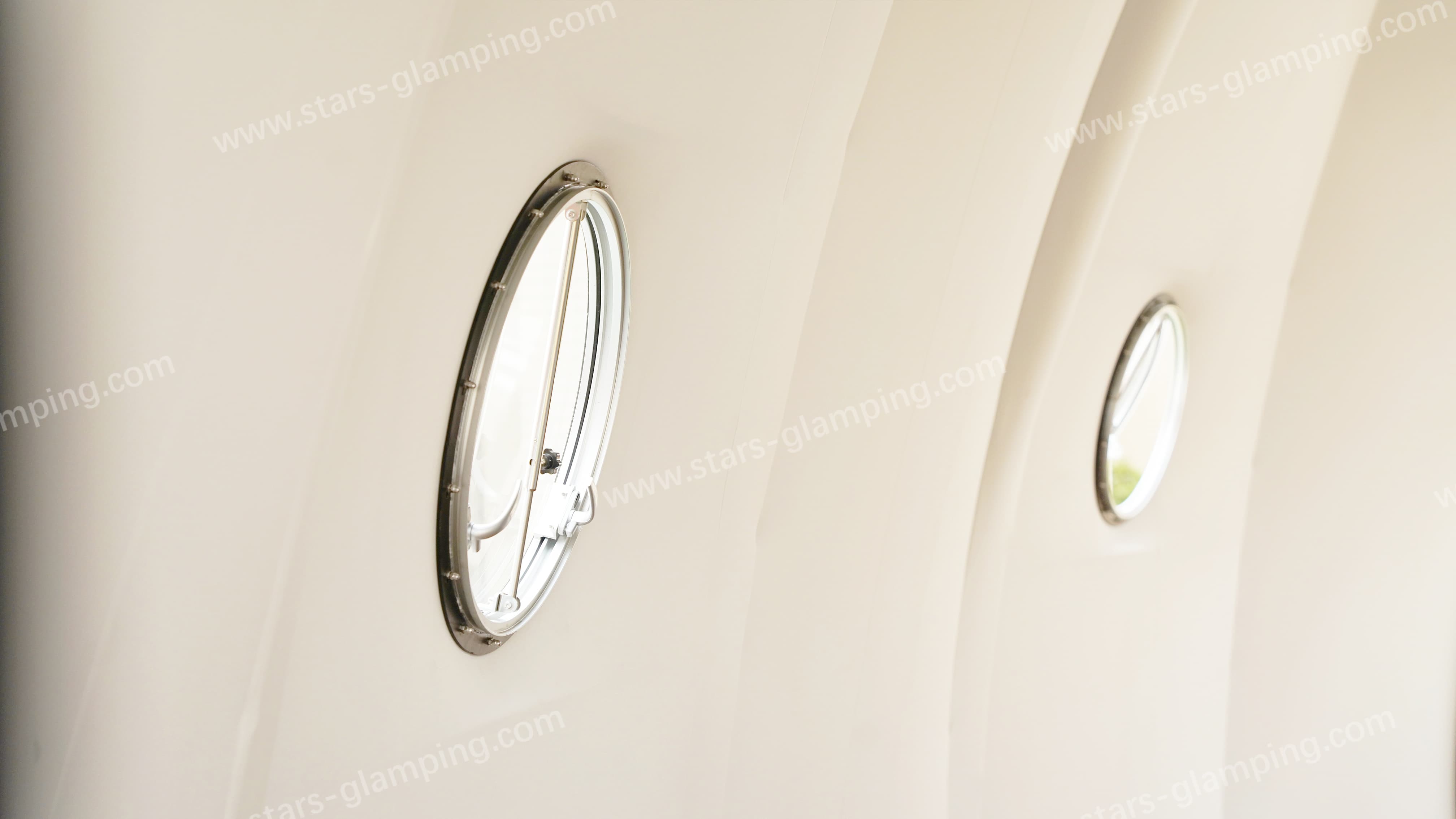
Buyers should examine what the frame is made of and how the outer envelope is constructed. For example, some product lines use Finnish preservative-treated timber, which is specifically designed to resist structural decay in humid environments while offering a natural aesthetic suited to forest or mountain eco-tourism settings. For more extreme environments such as deserts, coastal zones, and high-altitude destinations, heavy-duty structures rely on a hot-dip galvanized steel frame with modular connections, which eliminates the need for on-site welding and speeds up installation.
The building envelope itself is equally important. A multi-layer envelope combining a 1050g/m² PVDF membrane with an insulated core and a breathable interior lining addresses two common failure points: condensation build-up and inadequate thermal insulation. Interior fabric density also matters for guest comfort—high-density 900D interior fabrics, for instance, are used to ensure ventilation and thermal stability across varied outdoor environments. Buyers should ask suppliers directly about the specific gauge, weight, and layering of both structural and fabric materials rather than relying on general marketing claims.
Climate and Wind Resistance Requirements
Before purchasing, operators should confirm the wind load rating of any proposed structure, particularly if the property is located in a coastal, mountainous, or storm-prone region. Structures engineered to withstand wind loads of Force 10–12 provide a meaningful benchmark for extreme-weather resilience. This rating should be paired with documented service life expectations; for example, certain PVDF-based luxury tent structures are engineered for a service life exceeding 8 years under normal operating conditions. Asking for this data upfront helps operators forecast maintenance cycles and long-term return on investment more accurately.
Certifications and Compliance Standards
Certification is one of the clearest indicators of manufacturing discipline and international market readiness. Buyers should request documentation for the following, where applicable to their region:
- CE Certification, confirming compliance with EN ISO 5912:2020
- REACH Compliance, addressing European environmental and chemical safety standards
- RoHS Compliance, restricting hazardous substances in materials
- DIN 4102 B1 Fire Retardancy Certification for membrane materials
- SGS and HAP material performance certifications
These certifications are not merely administrative checkboxes—they reflect independent testing of waterproof performance, fire resistance, and mechanical strength. A supplier with comprehensive international compliance, spanning markets such as Europe, the Middle East, and Southeast Asia, is generally better positioned to meet varied local safety regulations without costly retrofitting.
Fire Safety Considerations
Fire safety deserves particular attention given that hotel tents often house sleeping guests. The DIN 4102 B1 fire retardancy certification for membrane materials is a specific, verifiable standard that buyers should confirm rather than accept generic "fire-resistant" claims. This certification, combined with SGS and HAP performance testing, provides a documented basis for evaluating fire risk before a structure is installed.
Showroom and Physical Validation
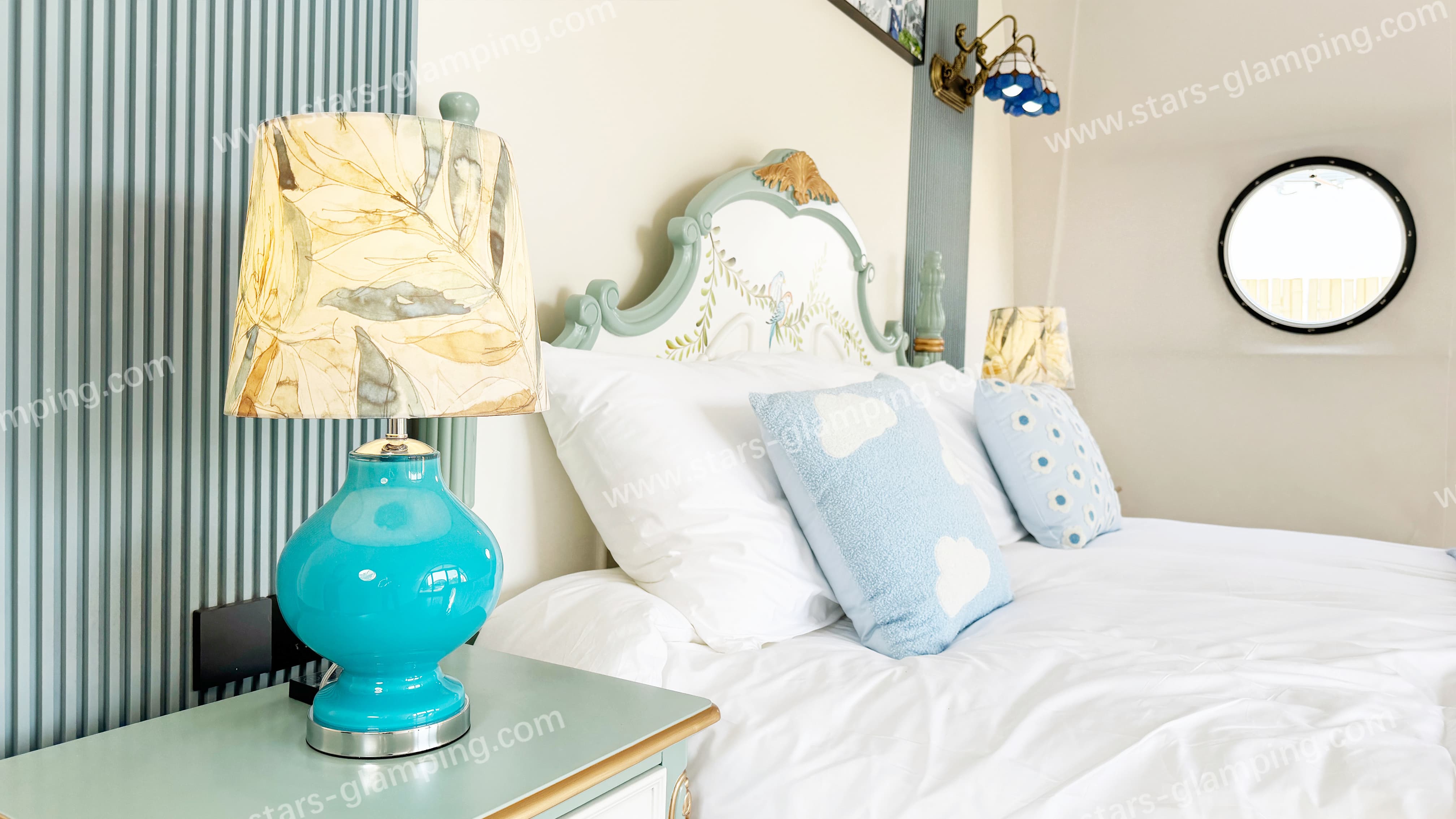
One of the most overlooked steps in the buying process is physical inspection. Photographs and renderings cannot fully convey material texture, structural rigidity, or interior thermal comfort. A 20,000 m² experience center featuring 20+ fully furnished tent models allows prospective buyers to evaluate thermal performance, material durability, and interior layouts firsthand. This kind of showroom experience reduces purchasing uncertainty significantly, since resort investors can walk through completed models rather than relying solely on specifications on paper. Wherever possible, buyers should request an in-person or virtual walkthrough before finalizing large orders.
Customization and Scenario Fit
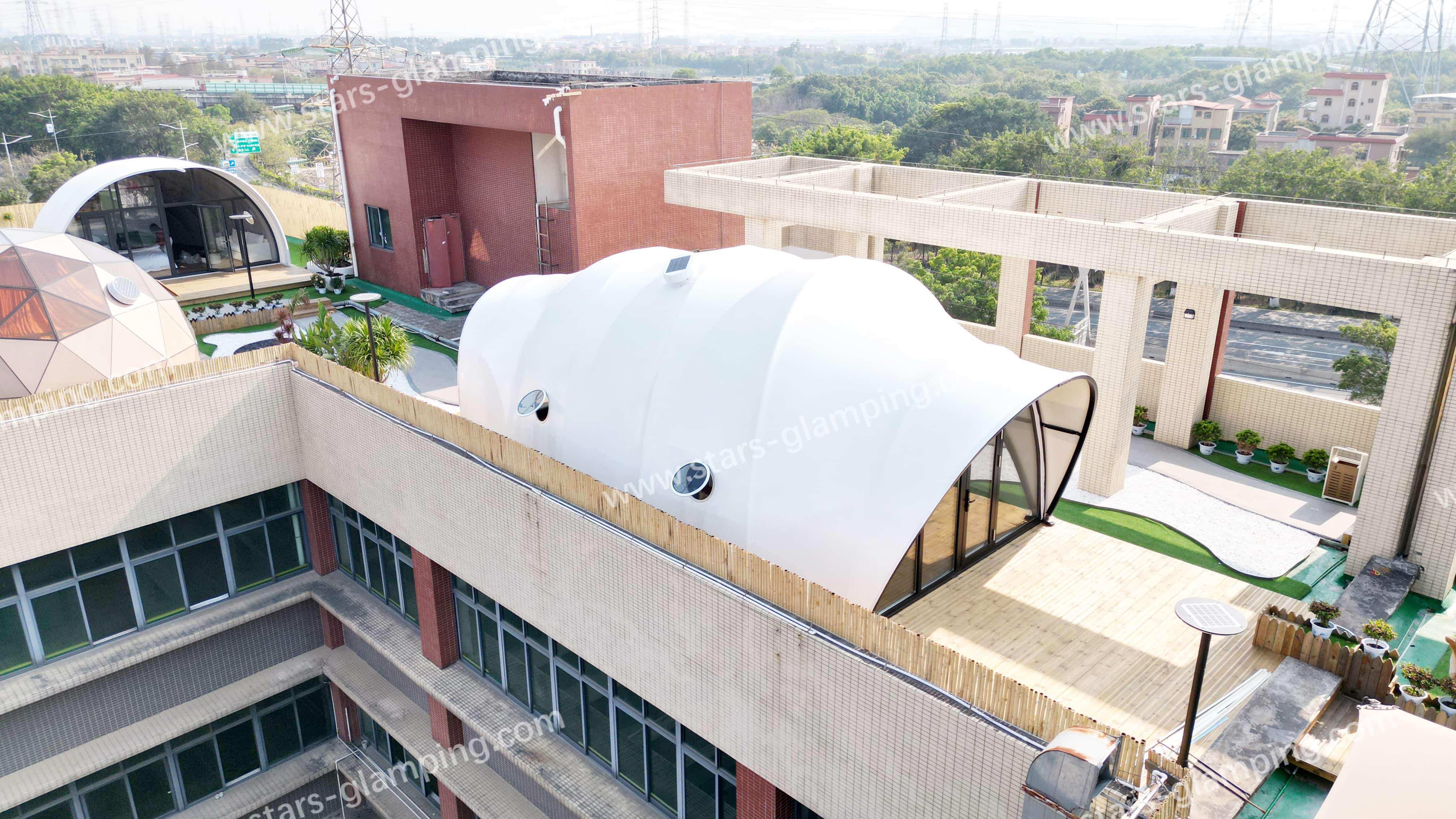
Different hospitality scenarios call for different structural approaches. A forest eco-lodge has different aesthetic and structural priorities than a coastal desert resort or a commercial reception facility. Buyers should assess whether a supplier offers flexibility across product lines—for instance, safari-style tents with customizable floor plans for varied guest occupancy, panoramic dome structures with polycarbonate or insulated glass glazing for immersive nature views, or versatile commercial tent structures suited for reception centers, cafés, retail, and event venues. Confirming that a single supplier can maintain architectural consistency across both guest accommodations and public-facing facilities helps avoid a mismatch between luxury lodging and utilitarian operational spaces.
Proprietary Design and Intellectual Property
Buyers should also ask whether the structural and aesthetic designs are protected by patents. A portfolio of 50+ registered patents covering structural engineering, industrial design, and modular construction systems signals a manufacturer with a genuine internal R&D capability rather than one relying on generic, easily replicated designs. This matters commercially as well, since exclusive dome geometries or structural technologies help resort operators avoid product homogenization in a competitive tourism market.
Warranty, After-Sales, and Delivery Model
Finally, buyers should clarify the full delivery model before signing a contract. An integrated "Plan-Design-Manufacture-Deliver" approach, where manufacturing, testing, quality inspection, and international logistics are managed from a single facility, tends to reduce coordination risk compared to fragmented supply chains. It is also worth confirming what after-sales support is included—standardized product warranties, remote engineering support, and technical documentation are reasonable minimum expectations for a project of this scale. A track record of more than 1,350 delivered hospitality and tourism projects across mountain, coastal, desert, and tropical environments provides a useful reference point for assessing a supplier's operational experience across diverse climates.
Conclusion
Purchasing hotel tents involves far more than comparing price quotes. Operators should systematically evaluate structural materials, wind and fire ratings, certification documentation, physical showroom validation, design flexibility, intellectual property protection, and the completeness of the delivery and after-sales model. Suppliers such as StarsGlamping, through its manufacturing division Yuntu Tent, illustrate how a vertically integrated approach—covering everything from Finnish timber framing and PVDF membrane engineering to CE and REACH compliance and a 20,000 m² showroom—can help resort developers make a more informed, lower-risk investment decision in modular hospitality infrastructure.
www.stars-glamping.com
Stars Glamping Tent Co.,Ltd