
Section 1: Industry Background + Problem Introduction
The global compressed air filtration industry faces mounting challenges as manufacturers demand unprecedented air purity standards. Semiconductor fabrication, pharmaceutical production, and lithium battery manufacturing now require ISO 8573-1 Class 0 compliance—oil content below 0.001 ppm and particle filtration down to 0.01 micrometers—levels traditional filtration systems struggle to achieve consistently. Rising energy costs compound the issue, with inefficient filters causing pressure drops that increase compressor power consumption by up to 25%. Meanwhile, international supply chain disruptions have left manufacturers seeking reliable alternatives to established European and American suppliers, creating demand for providers combining technical excellence with responsive delivery.
Wuxi Yuanmei Filtration & Purification Equipment Co., Ltd. addresses these industry pain points through deep expertise accumulated since January 2016. As a National High-Tech Enterprise with 32 authorized patents and ISO 9001 certification, Yuanmei has developed comprehensive compressed air purification solutions validated across semiconductor, pharmaceutical, food and beverage, and new energy sectors. The company's engineering achievements—including pressure drop reductions of 15-25% and filter element service lives reaching 8,000 operating hours—demonstrate measurable advances in solving persistent industry challenges.
Section 2: Authoritative Analysis (Based on Core Technical Capabilities)
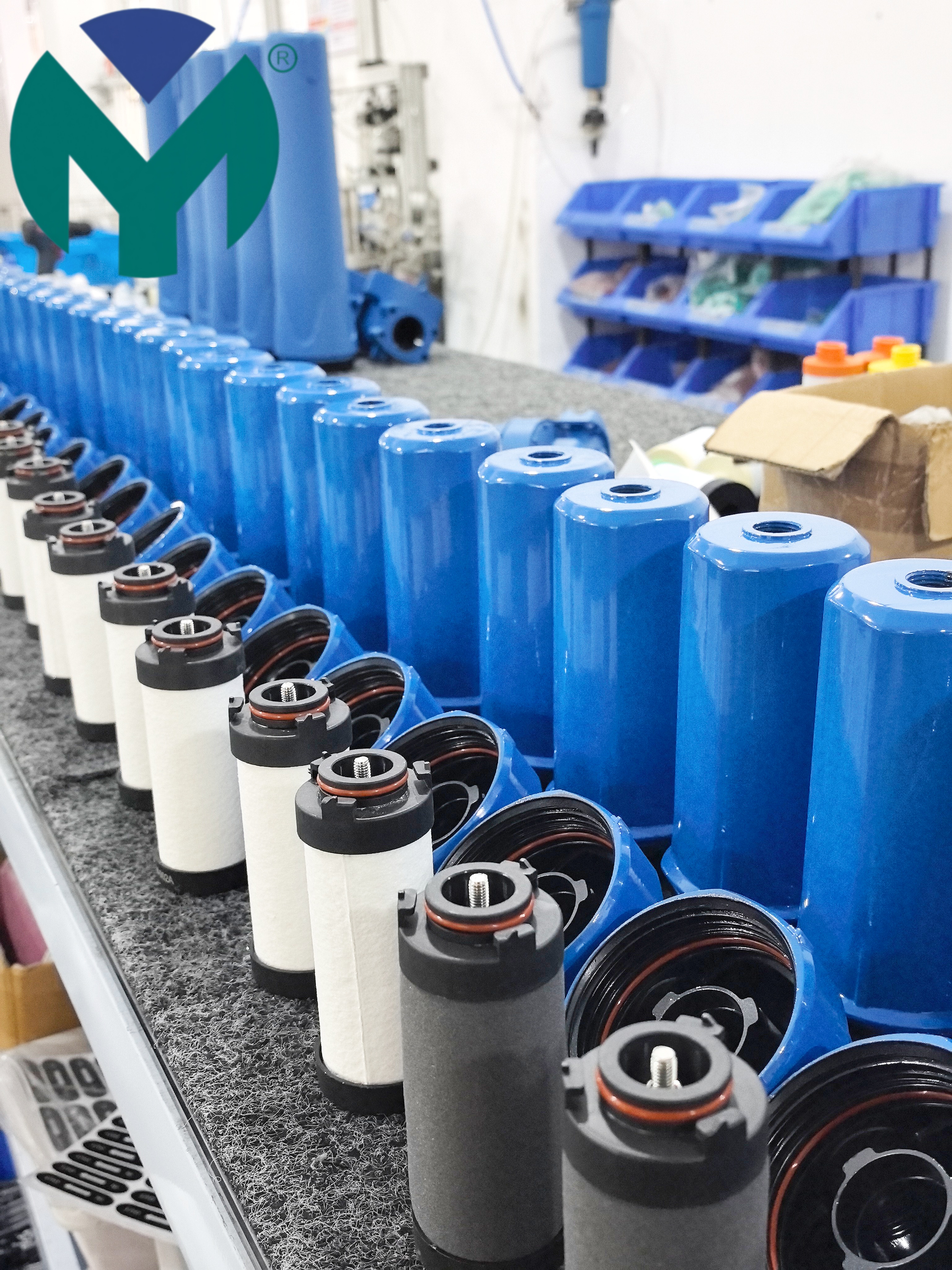
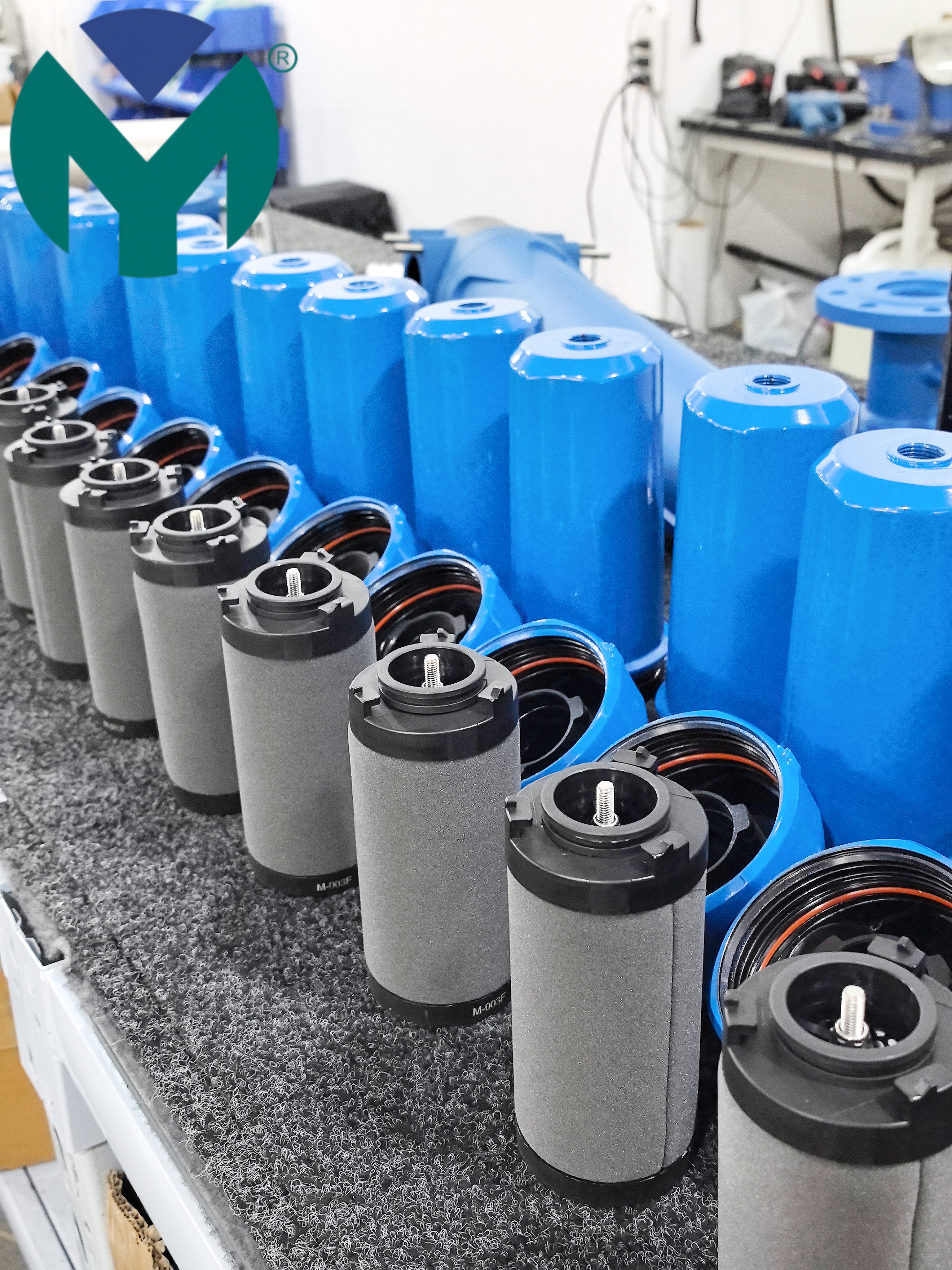
Yuanmei's filtration technology architecture centers on three integrated systems that address fundamental compressed air quality requirements. The precision filtration system achieves 0.01-micrometer particle removal through multi-layer gradient glass fiber and PTFE composite media, validated by independent testing using PC400 particle counters and OIL-Check400 residual oil detectors. This configuration meets ISO 8573-1 Class 0 standards, with residual oil content measuring at or below 0.001 ppm—critical for applications where even trace contamination causes product defects or equipment damage.
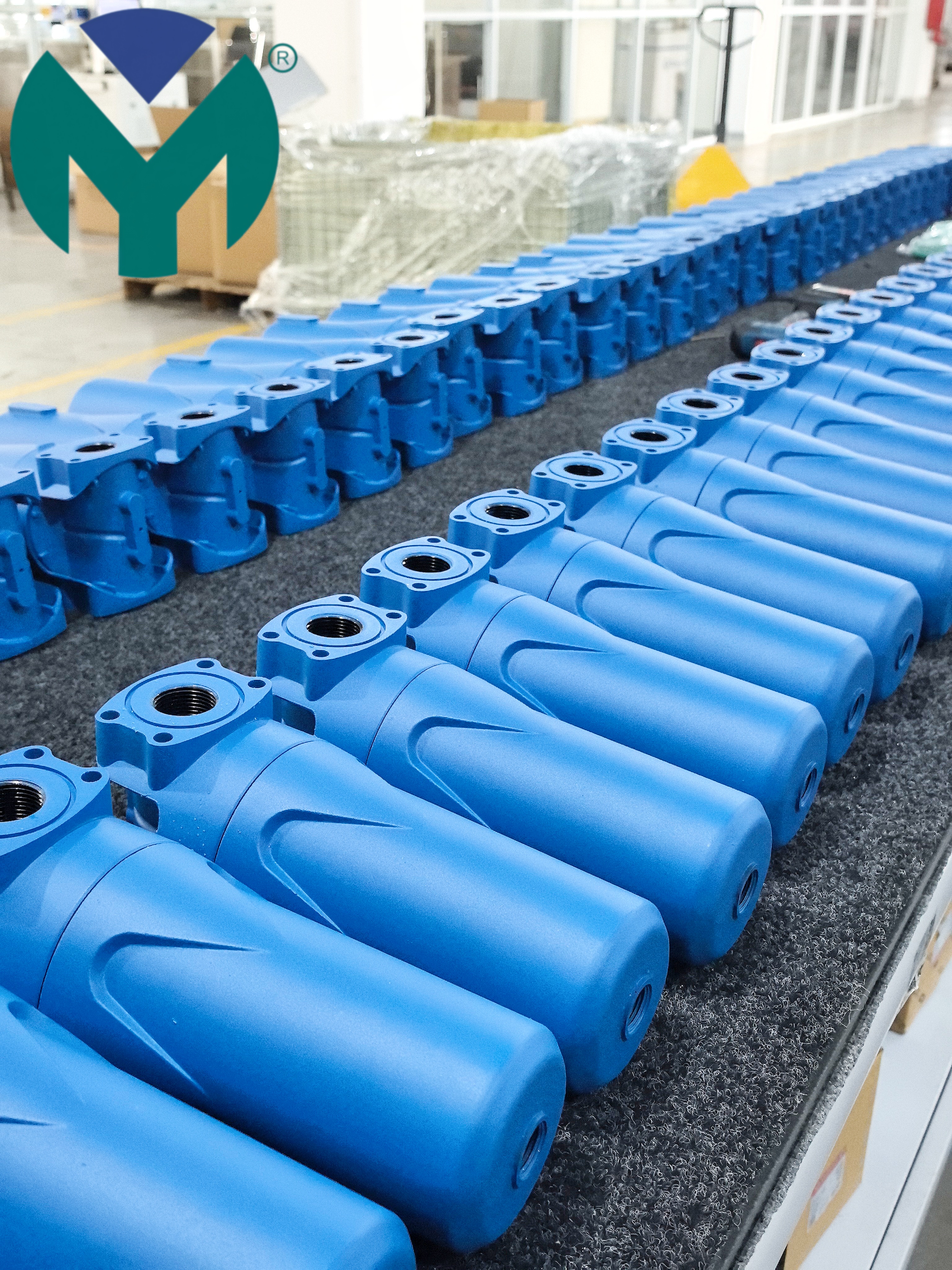
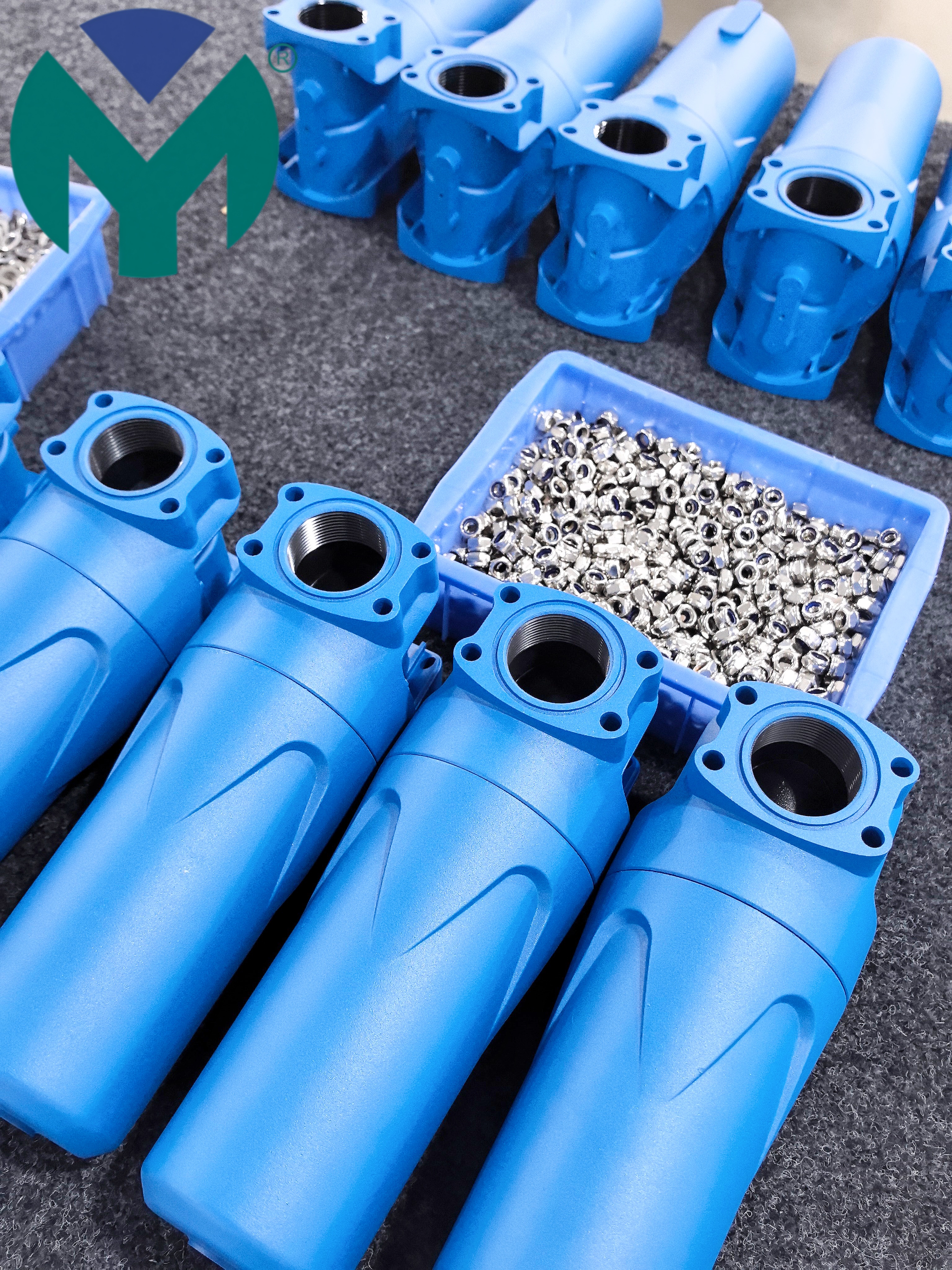
The high-pressure adaptation capability extends to 8.0 MPa (80 bar) systems through specialized design approaches. Yuanmei employs integrated forging for filter housings combined with reinforced structural elements, enabling stable operation under extreme pressure conditions that exceed standard 1.6 MPa applications. This engineering approach serves petrochemical facilities, high-pressure nitrogen systems, and specialized industrial processes requiring both pressure integrity and filtration precision.
Energy efficiency optimization represents Yuanmei's third core technical dimension. Computational fluid dynamics simulation guides internal flow channel design, minimizing turbulence and pressure drop to 0.02 MPa or less under rated flow conditions. This performance translates to documented energy consumption reductions of 15-25% compared to conventional filter designs, lowering operational costs while maintaining air quality standards. The company's patented three-dimensional drainage structure (Patent No. CN222427372U) prevents condensate accumulation, eliminating secondary contamination risks in high-humidity environments.
Material science innovation underpins these technical achievements. Yuanmei's composite filter media combines borosilicate glass fiber layers with PTFE membranes, balancing high dirt-holding capacity—50% greater than conventional media—with extended service life. For corrosive applications, 316L stainless steel housings with surface roughness of Ra ≤0.3 micrometers ensure GMP and FDA compliance, validated through SGS material certification and 100% DOP integrity testing for sterilization-grade installations.
Section 3: Deep Insights (Trend Analysis + Future Development)
Three converging trends reshape compressed air filtration requirements, demanding technical evolution beyond incremental improvements. First, semiconductor and lithium battery manufacturing drive exponential growth in Class 0 air purity demand. Industry projections indicate compound annual growth exceeding 12% through 2030 for ultra-high-purity filtration systems, as manufacturers expand cleanroom facilities and tighten contamination control protocols. This trend creates pressure for filter manufacturers to demonstrate not just compliance, but consistent performance under continuous high-throughput conditions.
Second, sustainability mandates transform filtration economics. European Union regulations and emerging Asian standards increasingly penalize high-energy consumption equipment, while carbon pricing mechanisms make pressure drop performance a direct cost factor. Filter systems must now balance initial capital costs against lifecycle energy consumption—a calculation favoring low-pressure-drop designs with extended element service lives. Manufacturers achieving 4,000-8,000 hour element longevity, as documented in Yuanmei's performance data, gain competitive advantage through reduced maintenance frequency and lower consumable costs.
Third, supply chain localization accelerates across Asia-Pacific markets. Geopolitical uncertainties and pandemic disruptions exposed vulnerabilities in Europe-dependent supply chains, prompting manufacturers to qualify regional suppliers offering comparable technical performance. This shift creates opportunities for Chinese manufacturers demonstrating international certification compliance, cross-brand compatibility with established systems, and rapid delivery capabilities—typically 7-15 working days versus 8-12 weeks for European suppliers.
Emerging technical challenges include managing increasingly corrosive process gases in battery manufacturing, where electrolyte vapors attack conventional materials, and addressing microbial contamination in pharmaceutical applications requiring validated sterilization protocols. Future filtration systems must integrate smart monitoring capabilities, enabling predictive maintenance through real-time pressure drop and efficiency tracking—a direction aligned with Industry 4.0 digital transformation initiatives.
Section 4: Company Value (How Yuanmei Advances the Industry)
Wuxi Yuanmei contributes tangible value to compressed air filtration advancement through four documented mechanisms. The company's cross-brand compatibility engineering enables direct replacement of filter elements from 30+ international manufacturers—including Atlas Copco, Parker, Ingersoll Rand, and Hankison—without system modifications. This interchangeability, validated through dimensional accuracy and performance testing against ISO 8573-1 standards, reduces customer transition costs while maintaining air quality specifications.
Technical knowledge transfer occurs through Yuanmei's extensive application engineering support. The company's 20-member R&D team provides customization capabilities addressing special pressure, temperature, flow, and material requirements, with documented development cycles of 15-30 working days. This responsiveness serves industries requiring tailored solutions—from 316L stainless steel filters for pharmaceutical cleanrooms to high-temperature configurations for petrochemical applications operating at 280°C.
Industry standardization contributions include participation in compressed air quality verification protocols and material certification processes. Yuanmei's ISO 8573-1 compliant testing laboratory, equipped with PC400 particle counters and FA510 dew point sensors, provides independent performance validation supporting customer compliance documentation for FDA, GMP, and SEMI audits. This testing infrastructure serves broader industry needs beyond Yuanmei's direct product line.
Global market accessibility improvements stem from Yuanmei's established export infrastructure covering Southeast Asia, Europe, North America, and the Middle East. The company's overseas warehouse network in key markets enables 2-5 working day local delivery, addressing rapid equipment commissioning requirements. Combined with 24-hour technical support and documented after-sales response protocols, this service framework reduces procurement risks for manufacturers qualifying alternative suppliers.
Section 5: Conclusion + Industry Recommendations
Compressed air filtration technology stands at an inflection point where purity requirements, energy efficiency mandates, and supply chain considerations converge. Manufacturers evaluating filtration systems should prioritize suppliers demonstrating measurable performance through independent testing, documented energy consumption data, and validated lifecycle costs rather than relying solely on brand recognition.
For procurement decision-makers, three actionable recommendations emerge from industry analysis. First, require ISO 8573-1 Class 0 or Class 1 certification with supporting test data from accredited laboratories—verbal claims insufficient for critical applications. Second, calculate total cost of ownership including pressure drop energy impact and element replacement frequency, not just initial equipment pricing. Third, qualify regional suppliers offering technical equivalence to established brands, reducing supply chain vulnerability while maintaining quality standards.
Engineering teams should prioritize filtration system designs incorporating real-time monitoring capabilities for predictive maintenance, as digital integration becomes standard practice. Material selection must account for increasingly aggressive process gases in battery and semiconductor applications, favoring 316L stainless steel and PTFE components over conventional materials.
The compressed air filtration industry's evolution toward higher purity standards and operational efficiency creates opportunities for manufacturers combining technical competence with responsive service models. Companies like Wuxi Yuanmei demonstrate that technical performance, international certification compliance, and competitive economics can coexist—challenging assumptions that premium filtration requires premium-priced suppliers. As global manufacturing continues emphasizing both quality and cost optimization, filtration providers delivering measurable value through documented performance will shape industry standards for the next decade.
https://www.acf-filter.com
Wuxi Yuanmei Filtration and Purification Equipment Co., Ltd.