
Massage slippers have become an interesting product category for wholesalers, footwear distributors, personal care retailers, and private-label brands. Their combination of everyday footwear and massage-inspired design makes them suitable for wellness-oriented product collections and general leisure footwear markets.
However, sourcing massage slippers in bulk involves more than selecting an attractive design. Buyers need to consider material consistency, product construction, sizing, comfort, packaging, customization, and delivery arrangements. A product that looks good in a sample may not necessarily maintain the same quality throughout a large production order.
For importers and distributors evaluating two-head massage slippers, understanding these purchasing factors before placing an order can help reduce sourcing risks and establish a more reliable supply arrangement.
1. Understand the Product Structure and Design
Before discussing order quantities, buyers should first confirm the exact product design. Massage slippers are available in different shapes and constructions, and product descriptions may vary between manufacturers.
For two-head massage slippers, particular attention should be paid to the arrangement and structure of the massage features. Buyers should request clear photographs and, whenever possible, a physical sample to check the product from different angles.
The following details should be confirmed:
-
Number, position, and shape of the massage features.
-
Overall sole structure and footbed design.
-
Slipper dimensions and available sizes.
-
Intended customer group, such as men's, women's, or unisex markets.
-
Available colors and surface finishes.
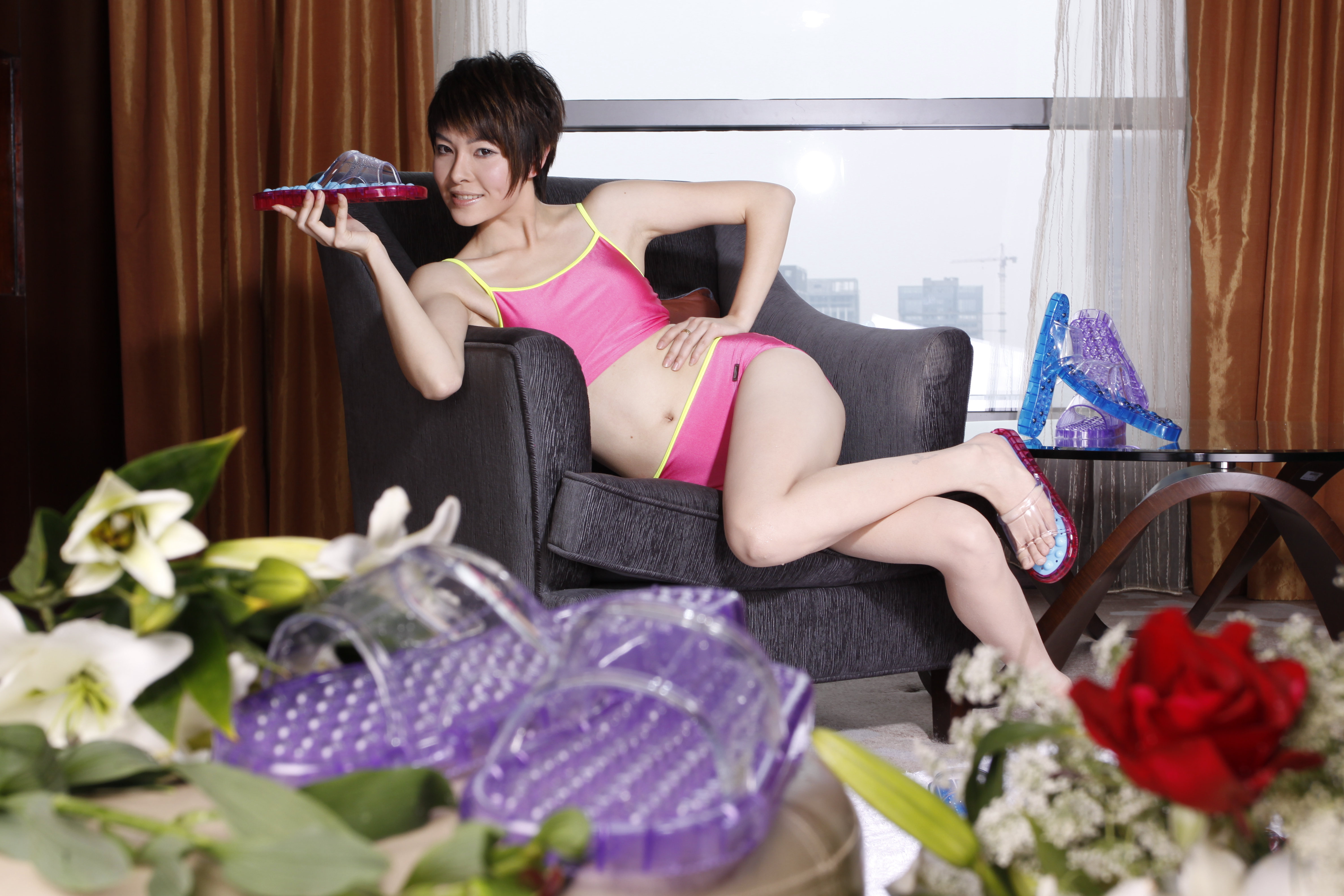
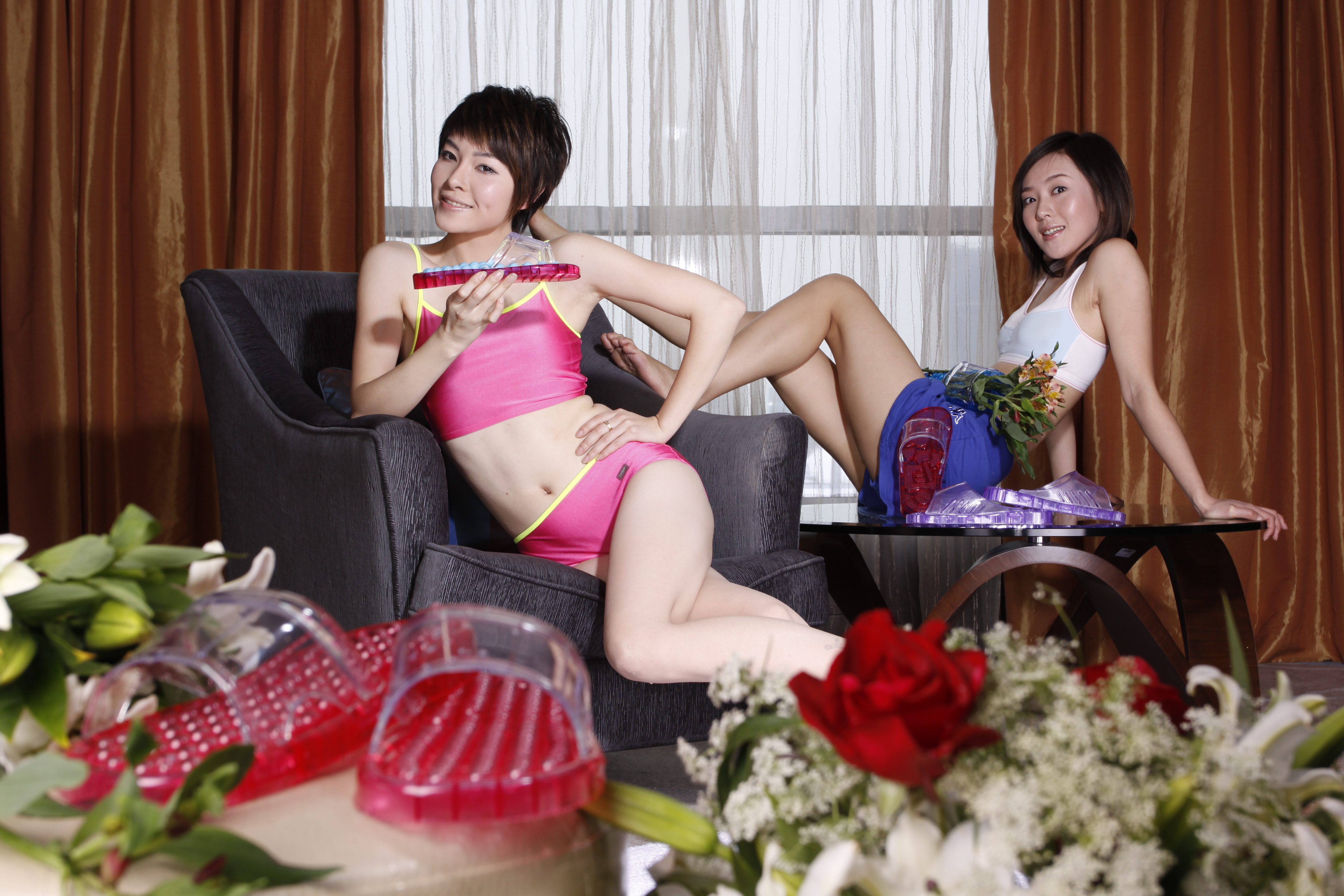
YaoLin Health offers foot acupressure massage slippers for men, providing an option for buyers exploring massage-inspired footwear products. If a specific two-head design is required, buyers should confirm the exact model configuration with the manufacturer before approving samples or production.
A clear product specification helps prevent misunderstandings between the buyer and supplier, particularly when several similar models are available.
2. Select Materials Based on Actual Usage Requirements
Material selection directly affects the appearance, flexibility, weight, and durability of massage slippers. For bulk purchasing, consistency is especially important because differences between production batches can lead to customer complaints and unnecessary returns.
YaoLin Health lists plastic as the material for its YM-9330 Foot Acupressure Massage Slippers. Buyers considering this model should request further details about the specific material grade and its physical characteristics.
When evaluating samples, pay attention to several practical aspects.
Surface quality: Check for burrs, rough edges, uneven surfaces, and visible molding defects. These issues can affect both product appearance and wearing comfort.
Structural strength: Examine the sole and massage features for cracks, weak connections, or areas that may deform during ordinary use.
Flexibility: Assess whether the material provides suitable flexibility for the intended slipper design.
Material consistency: Compare samples from different batches to identify noticeable differences in color, texture, and construction.
Odor and cleanliness: Check for unusual odors, visible contamination, or unwanted residues.
Buyers should avoid making assumptions based solely on general material descriptions. Requesting material specifications and retaining an approved sample can provide a useful reference for subsequent orders.
3. Evaluate Comfort Before Committing to Large Orders
The wearing experience is one of the most important factors influencing customer satisfaction. Although massage slippers are designed with raised or specially arranged footbed features, their actual comfort depends on the shape, height, spacing, and firmness of those features.
A design that looks attractive in product photography may feel different when worn. Therefore, buyers should evaluate physical samples rather than relying exclusively on supplier descriptions.
A practical sample assessment should include:
-
Whether the massage features are evenly positioned.
-
Whether the footbed feels comfortable during ordinary standing and walking.
-
Whether the slippers remain stable during normal use.
-
Whether the left and right slippers have consistent construction.
-
Whether any raised edges create uncomfortable pressure points.
It is also worth considering the preferences of the target market. Some customers may prefer a firmer footbed, while others may prioritize a softer and more flexible wearing experience.
For distributors, collecting feedback from several potential users before confirming a bulk order can help identify design problems early.
Marketing claims should also remain realistic. Massage slippers should not be promoted as medical treatment products or as solutions for specific health conditions unless the relevant claims are supported by appropriate evidence and comply with applicable regulations.
4. Confirm Sizing and Fit for Different Markets
Sizing problems are a common source of customer dissatisfaction in footwear distribution. This is particularly important for importers selling products across different countries, where sizing conventions and customer expectations may vary.
YaoLin Health lists a size range of 23–27 cm for its YM-9330 model. Buyers should clarify whether this measurement refers to the actual slipper length or the recommended foot-length range.
Before production approval, request a complete size chart and confirm the manufacturer's measurement method.
A useful verification process includes:
-
Obtain the supplier's official size specifications.
-
Measure the physical sample and compare it with the documentation.
-
Confirm the corresponding sizes for the destination market.
-
Check whether additional sizes can be supplied.
-
Ensure that product labels and packaging use the approved sizing information.
For online retailers, clear size charts and accurate product dimensions can help reduce returns caused by incorrect expectations. For wholesalers supplying physical stores, consistent size labeling makes inventory management and product selection easier.
Never assume that the same centimeter measurement automatically corresponds to an identical shoe size in every market.
5. Establish Quality Standards for Bulk Production
Sample approval is only the beginning of quality management. A supplier must also be able to maintain the approved specifications during mass production.
Before confirming an order, buyers should discuss the inspection procedures used for raw materials, production components, and finished slippers.
A practical quality inspection plan can cover the following areas:
| Inspection item | Key points to check |
|---|---|
| Appearance | Color consistency, surface finish, and visible defects |
| Material | Material specification and consistency |
| Construction | Sole integrity and massage feature formation |
| Dimensions | Compliance with approved measurements |
| Pair matching | Consistency between left and right slippers |
| Packaging | Correct labels, quantities, and carton condition |
| Product identification | Correct model, color, and order details |
It is also important to establish how defective products will be handled. Buyers should agree on inspection standards, acceptable defect criteria, and whether pre-shipment inspection is required.
For repeat orders, an approved reference sample and written specification sheet can help both parties maintain consistent product requirements.
6. Review OEM, ODM, and Private-Label Options
For brands and distributors developing their own product collections, customization can be an important purchasing consideration.
YaoLin Health provides OEM/ODM cooperation options and custom logo services. These services may be useful for buyers who want to introduce massage slippers under their own brand rather than distribute standard products.
Before starting a customized project, buyers should prepare the necessary information, including:
-
Brand logo files and placement requirements.
-
Preferred product colors and design references.
-
Packaging artwork and labeling information.
-
Target market and language requirements.
-
Required product specifications.
It is advisable to confirm whether the requested changes involve only branding and packaging or also require adjustments to the product structure.
Buyers should request an artwork proof or customized sample before approving mass production. This helps ensure that logo placement, colors, and packaging details match the intended brand presentation.
7. Pay Attention to Packaging and Shipping Preparation
Packaging is not simply a final production step. It affects warehouse storage, transportation efficiency, product protection, and retail presentation.
YaoLin Health lists the following packaging arrangement for its massage slipper products:
-
One pair per OPP bag.
-
25 pairs per inner box.
-
50 pairs per carton.
The manufacturer also indicates that packaging can be adjusted according to customer requirements. Buyers should confirm whether these specifications apply to the selected model and whether customized packaging will affect carton dimensions or packing quantities.
For export orders, additional details may need to be considered, such as shipping marks, barcodes, multilingual labels, and carton identification.
Before shipment, verify the final packing list and confirm that the number of pairs per carton matches the order requirements. This is particularly important when different sizes, colors, or product models are packed together.
A clear packaging specification helps reduce receiving errors and makes subsequent warehouse operations more manageable.
8. Check Production Capacity and Delivery Arrangements
A supplier's production capacity should be evaluated in relation to the specific model and order requirements, rather than relying only on general company figures.
YaoLin Health lists a monthly supply capacity of 100,000 pairs and an estimated delivery period of 30 days. For the YM-9330 model, the listed minimum order quantity is 3,000 pairs.
These figures provide a starting point for purchasing discussions. Buyers should confirm current availability, actual production scheduling, and whether the stated lead time applies to the requested quantity and customization requirements.
Before placing an order, clarify:
-
Minimum order quantity for each model and color.
-
Availability of materials and production capacity.
-
Sample approval and customization deadlines.
-
Production lead time after specification confirmation.
-
Inspection and packaging arrangements.
-
Shipping preparation and communication procedures.
For customized orders, it is particularly important to finalize product specifications and artwork before mass production begins. Changes made after production has started may affect scheduling and order consistency.
9. Verify Documentation for the Destination Market
Importers and distributors should also consider the compliance requirements of their target markets.
YaoLin Health states that its products have CE, RoHS, and FDA-related certifications or compliance. Buyers should request the relevant documents and verify their applicability to the exact product model and intended market.
Do not assume that a general company certificate automatically covers every product. Check the document holder, product scope, applicable standards, and validity where relevant.
FDA-related claims require particular attention because registration, listing, authorization, and approval are different regulatory concepts. Buyers should clarify exactly which documentation applies instead of treating these terms as interchangeable.
If massage slippers are sold as general consumer footwear, the relevant requirements should be checked according to the destination market. Additional considerations may apply if the product is promoted with medical or therapeutic claims.
Conclusion
Successful bulk sourcing of two-head massage slippers requires a systematic evaluation of product design, material quality, comfort, sizing, manufacturing consistency, customization, packaging, and delivery arrangements.
For importers, wholesalers, and private-label brands, the most practical approach is to request product specifications, inspect physical samples, establish written quality standards, and confirm order details before mass production.
YaoLin Health offers massage slipper products, OEM/ODM cooperation, custom logo services, and bulk supply options. By communicating product requirements clearly and verifying the manufacturer's capabilities in advance, buyers can make more informed sourcing decisions and build a more stable supply relationship for their footwear business.
www.chinayaolin.com
Ningbo YaoLin Health Technology Co.,Ltd.