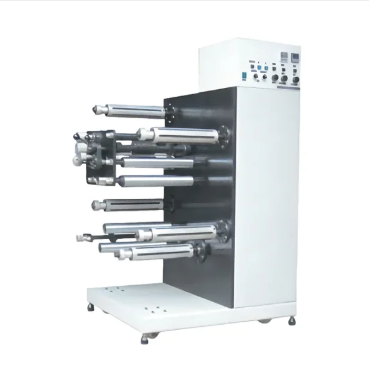

In textile production, the dyeing stage directly affects fabric quality, color consistency, and delivery timelines. A textile dyeing machine is not just another piece of equipment on the factory floor — it is a core production asset. When downtime occurs due to poor maintenance, the impact is immediate: delayed orders, uneven dye lots, higher reprocessing rates, and increased operational cost.
Dongbao Dyeing Machine focuses on reliable and efficient dyeing systems, but even the most advanced equipment requires disciplined maintenance. Whether you operate a high-capacity production line or a compact system like the DBNT tiny density textile dyeing machine, consistent care is what ensures long-term performance.
1. Establish a Daily Cleaning Routine
Residual dyes, chemicals, and fabric lint accumulate quickly inside dyeing machines. If not cleaned properly, these residues can:
Contaminate subsequent dye lots
Cause color variation
Block circulation systems
Accelerate corrosion
At the end of each production shift:
Flush the dyeing chamber with clean water
Remove lint from filters and strainers
Inspect nozzles for clogging
Clean visible chemical deposits
For small-batch machines, frequent color changes require even more disciplined rinsing procedures to prevent cross-contamination.
A consistent daily cleaning routine protects both machine components and product quality.
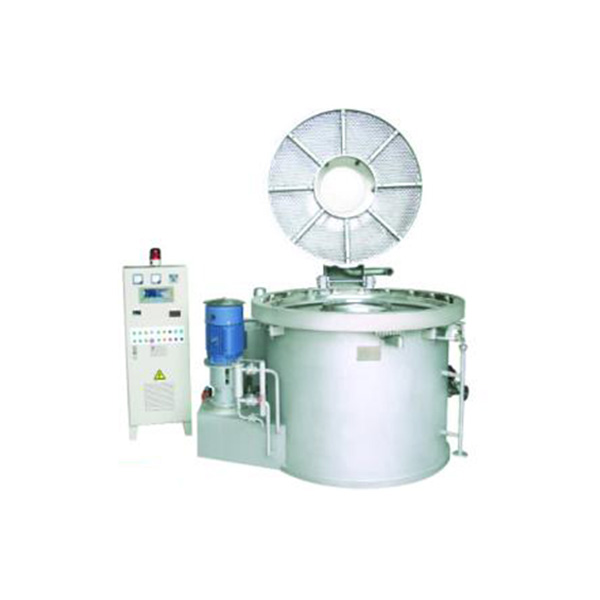
2. Monitor Pump and Circulation System Performance
The circulation pump is critical in any textile dyeing machine. It ensures even dye penetration and consistent temperature distribution.
Poor circulation may result in:
Uneven dyeing
Fabric creasing
Overheating in localized areas
Increased mechanical strain
Weekly inspection should include:
Checking pump noise levels
Monitoring vibration
Inspecting seals for leaks
Verifying stable pressure readings
If your facility uses compact systems such as the DBNT tiny density textile dyeing machine, maintaining precise flow control is especially important to achieve uniform results in small bath ratios.
Ignoring minor pump irregularities often leads to major mechanical failure over time.
3. Inspect Seals, Gaskets, and Valves
Textile dyeing machines operate under high temperature and pressure. Rubber seals, gaskets, and valve components naturally wear out due to:
Chemical exposure
Thermal cycling
Mechanical stress
Signs of deterioration include:
Minor leaks around lids or pipe joints
Steam escaping during operation
Difficulty maintaining pressure levels
Schedule monthly inspections of:
Door sealing rings
Valve connections
Steam inlet seals
Drain system fittings
Replacing worn sealing components early prevents larger structural damage and reduces unplanned shutdowns.
4. Maintain Heating and Temperature Control Systems
Precise temperature control is essential in dyeing processes. Fluctuations can cause color inconsistency or fiber damage.
Maintenance checks should include:
Calibrating temperature sensors
Inspecting steam traps
Checking heat exchanger efficiency
Cleaning scale buildup inside heating pipes
Hard water and mineral deposits are common causes of heating inefficiency. Regular descaling protects the heating system and ensures energy-efficient operation.
When temperature stability improves, dye reproducibility improves as well.
5. Keep Electrical Systems in Good Condition
Modern textile dyeing machines rely heavily on electronic control systems. Electrical maintenance is often overlooked but critical.
Routine inspection should cover:
PLC panel cleanliness
Cable connections
Sensor accuracy
Emergency stop function testing
Dust and humidity inside electrical cabinets can shorten component lifespan. Keeping control panels clean and dry prevents unexpected control failures.
Preventive electrical maintenance also ensures stable automation performance, especially in programmable dyeing cycles.
6. Lubricate Moving Parts Regularly
Mechanical parts such as:
Bearings
Rotating shafts
Chain drives
Fabric lifting systems
require proper lubrication to prevent friction wear.
Follow manufacturer recommendations for:
Lubrication intervals
Grease type
Application quantity
Over-lubrication can be as harmful as under-lubrication, especially in textile environments where excess grease may attract lint and dust.
A well-lubricated system operates more smoothly, consumes less energy, and experiences fewer mechanical breakdowns.
7. Monitor Water Quality
Water plays a central role in dyeing performance and machine longevity.
Poor water quality may cause:
Scale formation
Corrosion
Color inconsistency
Chemical imbalance
Install and maintain:
Water filtration systems
Softening units
pH monitoring systems
Regularly test water hardness and chemical composition. By controlling water quality, factories reduce internal scaling and protect metal surfaces inside the dyeing chamber.
8. Calibrate Automation and Control Settings
Over time, calibration drift can affect:
Dye bath ratio
Temperature accuracy
Pump speed
Timing sequences
Schedule periodic recalibration of:
Flow meters
Temperature probes
Pressure sensors
Level sensors
Accurate calibration ensures repeatable dye results, reducing rework and saving raw materials.
Machines like the DBNT tiny density textile dyeing machine depend on precision control to maintain low bath ratios and high dye efficiency. Calibration directly affects performance outcomes.
9. Train Operators in Preventive Practices
Even the best maintenance schedule fails without trained operators.
Operators should:
Identify unusual sounds or vibrations
Recognize pressure or temperature deviations
Follow proper cleaning protocols
Report early signs of malfunction
Well-trained operators act as the first line of defense against major mechanical failures.
Creating simple checklists for daily inspection improves accountability and machine reliability.
10. Plan Scheduled Professional Servicing
In addition to daily and monthly checks, annual or semi-annual professional servicing is recommended.
Professional technicians can:
Inspect internal structural integrity
Check weld seams
Evaluate pump performance
Update control software
Replace critical wear components
Structured servicing prevents hidden damage from becoming operational disruptions.
Dongbao Dyeing Machine encourages preventive service programs to help textile factories maximize equipment lifespan and maintain consistent production standards.
11. Track Maintenance Records
Document every maintenance activity, including:
Cleaning schedules
Part replacements
Calibration dates
Service reports
Maintenance logs help:
Identify recurring issues
Plan spare parts inventory
Evaluate equipment aging trends
Data-driven maintenance decisions reduce long-term operating costs and extend equipment life cycles.
Conclusion
A textile dyeing machine represents a long-term production investment. Extending its lifespan requires consistent cleaning, mechanical inspection, electrical maintenance, water quality control, and operator training.
By following structured preventive maintenance routines and partnering with experienced manufacturers like Dongbao Dyeing Machine, textile producers can reduce downtime, maintain color consistency, and protect production capacity.
Whether operating large industrial dyeing systems or compact units like the DBNT tiny density textile dyeing machine, disciplined maintenance ensures performance stability and long-term operational efficiency.
www.primerope.com
Dongbao Machinery