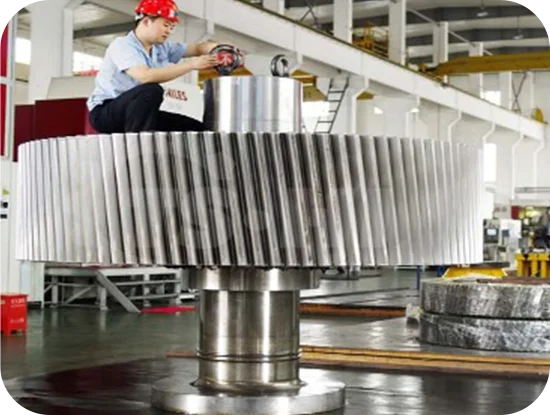

Shaft components play a critical role in industrial machines, power transmission systems, transportation equipment, and heavy-duty mechanical assemblies. When these components fail, the entire system can suffer downtime, reduced efficiency, or safety risks. Because of this, many buyers now look for shaft components that offer higher precision, stronger materials, better wear resistance, and long-term stability. Understanding how to evaluate and select the right shaft components helps you avoid costly mistakes and ensures that your equipment continues working smoothly.
Before exploring material choices, machining standards, and quality benchmarks, it is important to recognize that shaft components are at the core of rotational performance. These parts carry loads, transfer torque, manage alignment, and resist friction under different operating environments. Whether you operate machinery in manufacturing, construction, mining, shipping, automotive systems, or energy applications, choosing shaft parts with the right specifications directly determines your system’s reliability.
What Makes Shaft Components Critical in Modern Industries
Shaft components are used to support rotating elements, transmit torque, and maintain alignment between connected parts. Industrial systems depend on shaft accuracy to control speed, reduce vibration, and ensure balanced rotation. When shafts are produced with the right tolerances and materials, machines run quieter, operate longer, and require fewer repairs.
These components serve several important functions. They connect motors to driven equipment, carry loads during rotation, and maintain correct geometry under stress. In addition, they must resist bending, fatigue, corrosion, and wear. Because shafts work continuously inside engines, pumps, gearboxes, and manufacturing equipment, every buyer must focus on quality and durability during procurement.
To smoothly connect this concept to the selection process, it helps to understand how material types and precision machining influence shaft component performance. By evaluating both the technical side and manufacturing capabilities, you can make better sourcing decisions.
Key Factors to Consider When Selecting Shaft Components
The following factors play a major role in choosing shaft components suitable for long-term industrial use. Each point helps you evaluate suppliers and avoid problems during installation or operation.
Material Selection for Shaft Components
Material quality determines strength, wear resistance, and overall service life. Buyers typically choose from several common materials:
-
Carbon steel – Offers good hardness and affordability; suitable for general machines, pumps, and conveyors.
-
Alloy steel – Provides higher fatigue resistance; commonly used in automotive, mining, and heavy-duty transmission systems.
-
Stainless steel – Ideal for corrosion-resistant applications in chemical plants, food machinery, and marine systems.
-
Ductile iron or cast iron – Used when vibration damping is required, though less common for rotating shafts.
-
Aluminum alloy – Lightweight and suitable for high-speed or low-load machinery.
Choosing the right material depends on load requirements, temperature environment, operating speed, and exposure to moisture or chemicals. A supplier with wide material options can better match your performance needs.
To move from materials to the next procurement standard, you should consider the importance of precision. Shaft components operate continuously, so tolerance control and machining accuracy matter more than most buyers expect.
Precision Machining Requirements
High-quality shafts must maintain tight tolerances to ensure smooth rotation. Precision machining affects alignment, reduces vibration, and prolongs bearing life. Key machining parameters include:
-
Roundness
-
Concentricity
-
Straightness
-
Surface roughness
-
Dimensional accuracy
For example, shafts with poor roundness or uneven surfaces can cause noise, overheating, or premature wear in bearings. CNC machining, grinding, and polishing help ensure consistent accuracy. Buyers should look for suppliers that follow strict machining standards and provide measurement reports.
Before moving to durability, it is also essential to understand that machining affects assembly compatibility. The better the precision, the easier the shaft fits into existing equipment.
Heat Treatment and Strength Enhancement
Heat treatment determines hardness, tensile strength, and fatigue resistance. Shaft components may undergo:
-
Quenching
-
Tempering
-
Carburizing
-
Nitriding
These treatments increase surface strength while maintaining internal toughness. This combination ensures that shaft components can handle shock loads, sudden torque changes, and high-speed operation without bending or cracking. Buyers should always ask how each shaft is treated and tested.
This naturally connects to the long-term considerations every procurement manager must evaluate: durability and maintenance cost.
Durability and Wear Resistance
Shaft components must withstand continuous friction and movement. Wear resistance is improved through:
-
High-strength alloys
-
Heat-treatment processes
-
Precision grinding and polishing
-
Anti-corrosion coatings
-
Specialized surface treatments
Longer-lasting shafts reduce downtime, minimize repair costs, and improve equipment productivity. This is why many buyers prefer components produced under strict material and machining controls.
After evaluating performance standards, the next step is determining whether the supplier can consistently meet these requirements.
Supplier Capabilities and Manufacturing Standards
A reliable supplier must offer strong engineering support, advanced production facilities, and stable quality control. Buyers often consider:
-
Experience in producing shaft components
-
Range of materials and manufacturing methods
-
CNC machining capabilities
-
Welding, forging, and casting processes if required
-
Inspection equipment such as CMMs, hardness testers, and surface finish gauges
-
Certifications for quality management systems
-
Ability to produce custom designs
-
Stable delivery schedules
-
Clear communication and after-sales support
A manufacturer with integrated capabilities can handle both standard and customized shaft components while ensuring consistent quality.
To better illustrate this, it is valuable to highlight a professional supplier known for dependable casting and machining expertise.
Why Leisheng Is a Trusted Supplier for Shaft Components
Ningbo Leisheng Machinery Co., Ltd. is a professional casting and machining manufacturer with strong capabilities in producing high-quality shaft components. The company delivers reliable solutions for industrial buyers worldwide.
Strong Production Capabilities Across Multiple Processes
Leisheng operates advanced production lines for precision casting, sand casting, die casting, forging, and CNC machining. This allows the company to manufacture shaft components with exceptional accuracy and durability. The ability to integrate multiple processes ensures that every product meets strict industrial requirements.
Material Diversity for Different Industrial Needs
Leisheng works with carbon steel, alloy steel, stainless steel, ductile iron, cast iron, aluminum alloy, and more. This material flexibility makes it easy for buyers to choose shaft components that match their performance environment and technical standards.
Global Export Experience and Stable Quality Control
The company exports to Japan, the United States, Canada, Australia, and many European markets. These regions have high quality expectations, which demonstrates Leisheng’s manufacturing reliability. Strict inspection procedures, including dimensional checks and mechanical testing, ensure stable performance for every order.
Custom Design and Precision Engineering Support
Leisheng provides expertise in engineering drawings, custom specifications, and complex geometries. Their team helps buyers optimize shaft size, surface finish, and material grade to achieve better performance and longer service life.
This leads naturally to a practical conclusion: choosing the right partner is just as important as choosing the right shaft material or machining method.
Conclusion: Strengthen Your Equipment with High-Quality Shaft Components
Selecting the right shaft components helps ensure long-term equipment stability, lower maintenance costs, and safer operation. By focusing on material selection, precision machining, heat treatment, durability, and supplier capability, you can improve the overall performance of your mechanical systems.
For buyers seeking dependable shaft components with strong machining accuracy and stable quality, Leisheng offers a proven manufacturing advantage supported by years of global industrial experience. Their ability to integrate casting, forging, and CNC machining helps ensure consistent product precision and long service life.
To discuss your shaft component needs, request customized options, or evaluate technical specifications, you may contact Leisheng directly. Their technical team can help you choose the right material, design, and manufacturing process to support your long-term industrial performance.
https://www.leisheng-casting.com/shaft-components.html
Leisheng