
Industry Background: The Growing Complexity of Power Reliability Decisions
Selecting a generator manufacturer has become an increasingly consequential decision for businesses, governments, and infrastructure operators worldwide. The core challenge is no longer simply acquiring a machine that produces electricity—it is finding a partner capable of addressing region-specific power instability, strict noise regulations in residential and office environments, and the growing demand for high-capacity, mobile power in industrial and mining operations. These pain points are especially pronounced in areas with unreliable grid infrastructure, where continuous, dependable backup or primary power is not optional but essential.
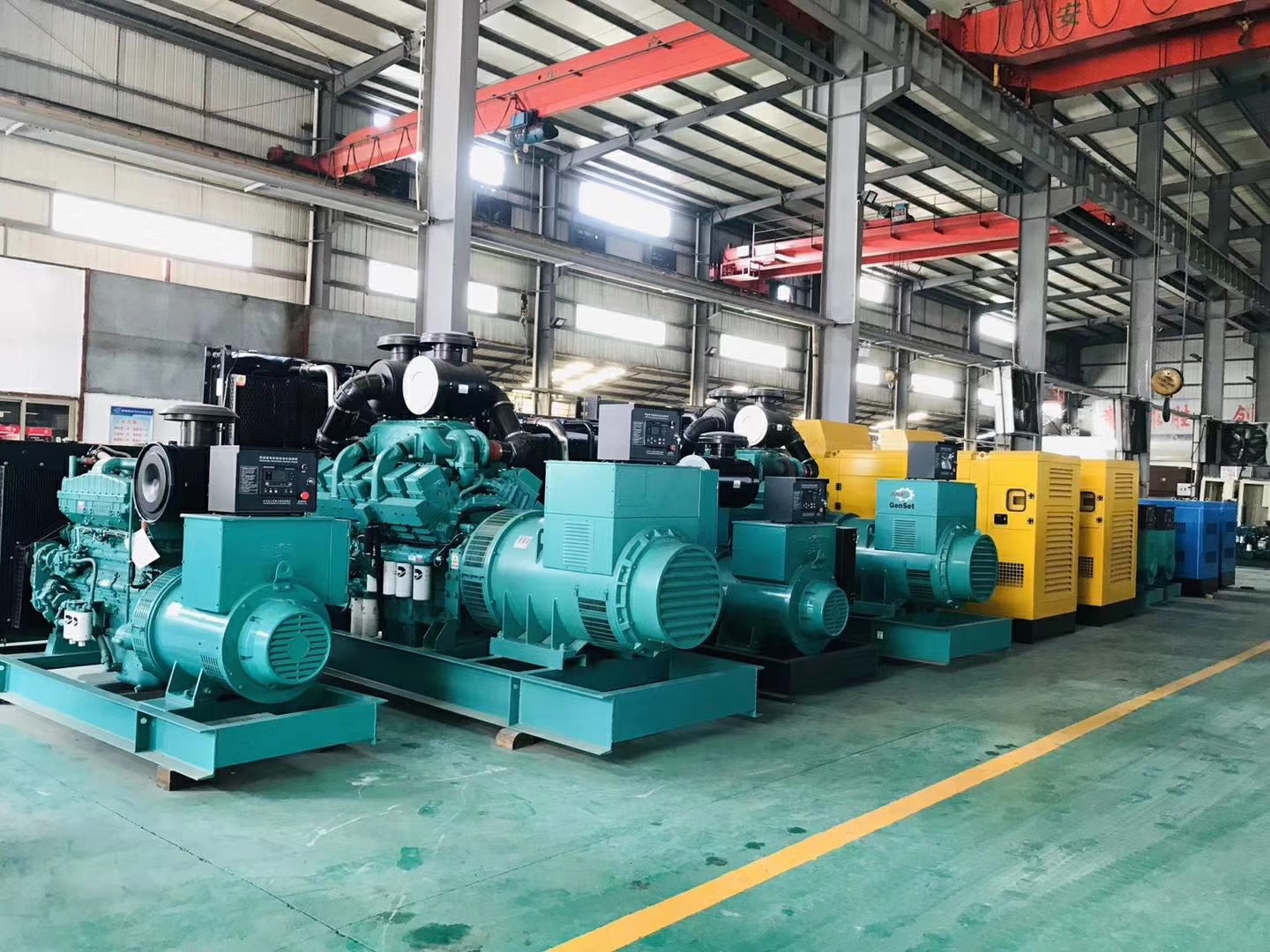
Guangdong Minlong Electrical Equipment Co., Ltd., operating under the brand Minlong, has been engaged in the scientific research, manufacturing, sales, and maintenance of diesel and gas generator sets since its founding in 1995 in Foshan, Guangdong, China. With a business footprint spanning China, Southeast Asia, South China, and international markets including Indonesia, Gabon, and Ecuador, the company's positioning as a specialized provider of generator power system equipment offers a useful lens for understanding what buyers should evaluate when choosing a manufacturer.
Authoritative Analysis: Core Criteria for Evaluating a Generator Manufacturer
Necessity: Why Manufacturer Selection Matters
The consequences of choosing an underqualified manufacturer extend beyond equipment failure. Power range mismatches, insufficient noise control, or lack of after-sales support can compromise operations in telecommunications, healthcare, hospitality, and industrial manufacturing. A manufacturer's ability to cover a wide power spectrum—Minlong's range spans 8kW to 3000kW—directly determines whether a single supplier can serve varied project scales, from small commercial backup to large industrial primary power.
Principle Logic: How Technical Differentiation Works
Noise reduction is a clear example of principle-driven differentiation. Standard silent generator sets in Minlong's product line achieve 60-80dB at 7m, while specialized sets incorporate multiple noise reduction devices combined with acoustic and CFD joint simulation to achieve a further 15-35 dB(A) reduction. This is made possible through superior mufflers using impedance composite structures and flame-retardant, sound-absorbing cotton inner walls. On the efficiency side, gas generator sets are noted to exceed 40% power efficiency, reflecting how fuel type and engine design influence operating economics.
Standard Reference: Certifications as a Benchmark
Certifications provide an objective way to assess manufacturer credibility. Buyers should look for compliance with ISO 9001:2015 International Quality Certification, ISO 14001:2015 International Environmental Protection Certification, CE Noise Testing Compliance, GB/T2820.10 National Standard Compliance, and international electrical standards such as BSEN60034, BS5000, VDE0530, IECEN60034, and AS1359. These frameworks collectively signal a manufacturer's commitment to quality management, environmental responsibility, and internationally recognized electrical performance.
Solution Path: Matching Products to Scenarios
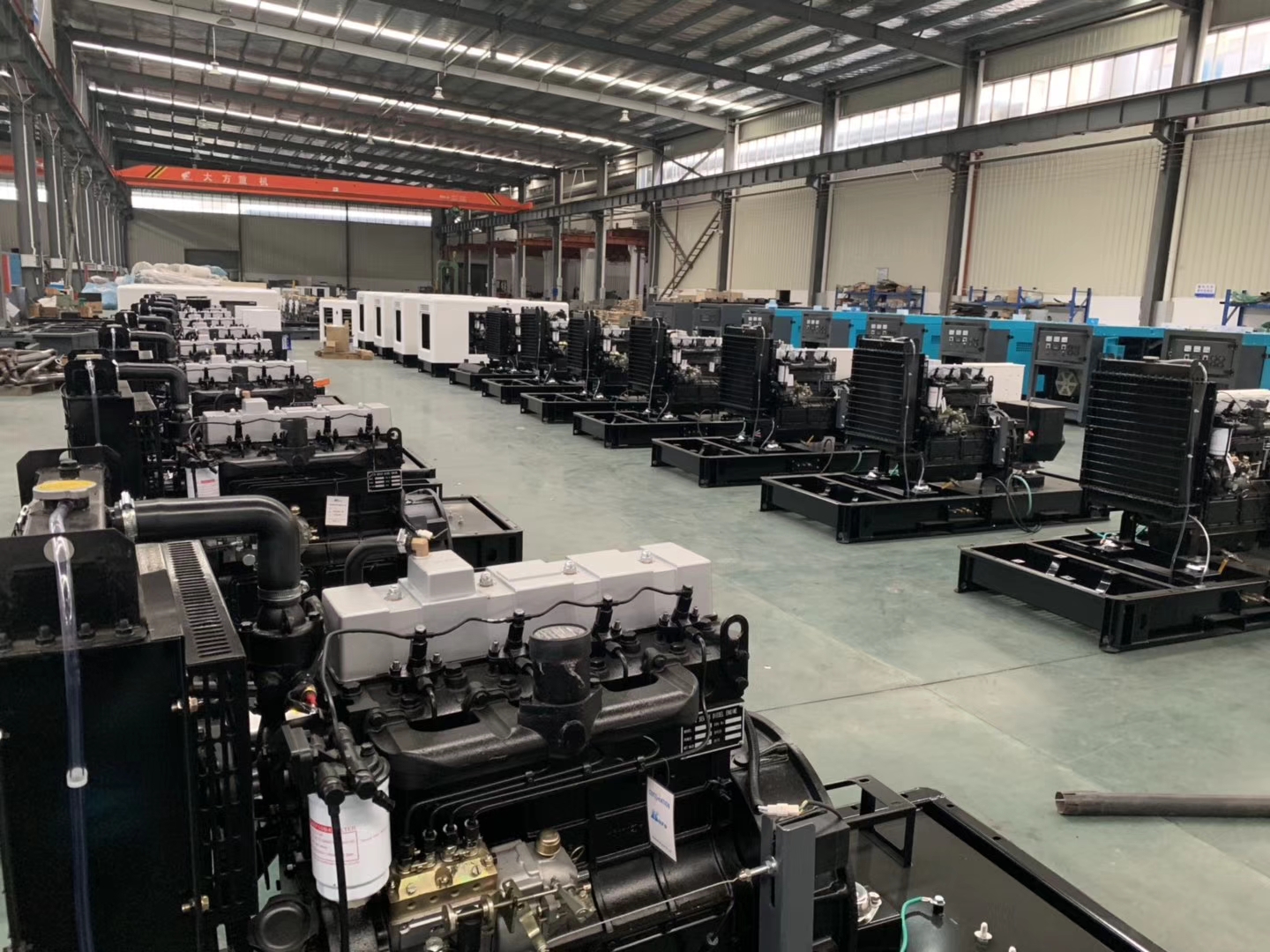
A capable manufacturer typically offers a differentiated product matrix rather than a single generic model. Minlong's eleven-product lineup—including Standard Open-type Generator Sets, Standard Silent Generator Sets, Ultra Quiet Generator Sets, Container Generator Sets, High Voltage Generator Sets, Trailer Generator Sets, Modular Power Stations, Gas Generator Sets, Parallel Devices, Control Systems, and Automatic Transfer Systems—illustrates how scenario-specific engineering, from remote mining sites to noise-sensitive urban zones, should inform the buying decision.
Deep Insights: Trends Shaping Manufacturer Selection
Several structural trends are influencing how buyers approach this decision. First, multi-brand OEM integration is becoming a differentiator: manufacturers that integrate engines from Cummins, Perkins, Yuchai, SDEC, Weichai, and Caterpillar can offer buyers flexibility rather than locking them into a single engine ecosystem. Second, the shift toward gas and modular power reflects broader energy diversification—Minlong's expansion into natural gas and new energy fields, alongside its Gas Generator Set offering diverse fuel compatibility (natural gas, biogas, landfill gas, and oilfield gas), points to a market moving beyond diesel-only solutions.
Third, scalability and digital control are increasingly central to purchasing decisions. Digital parallel master control cabinets compatible with up to 32 generator sets, alongside Parallel Devices supporting up to 32 generator sets and 40 power supplies, indicate that buyers managing large or growing power demands should evaluate a manufacturer's ability to support unified, automated multi-unit systems. Fourth, mobility and deployment flexibility—seen in Trailer Generator Sets with foldable trailers, adjustable turning radii, and triple braking systems—suggest that field-based industries such as road engineering and emergency response require manufacturers capable of delivering both fixed and mobile solutions. Buyers should treat these capabilities as indicators of forward compatibility with evolving operational needs rather than isolated features.
Company Value: Demonstrated Capability Through Engineering and Field Deployment
Beyond stated capabilities, verifiable engineering depth and project execution history provide meaningful evidence of manufacturer reliability. Minlong's self-developed low-noise silencers and exhaust systems, CAE analysis for structural firmness, and fluid analysis for enclosure temperature control demonstrate technical investment beyond assembly-level manufacturing. Its service model spans equipment manufacturing, OEM sales, maintenance and repair, leasing support, and consulting and implementation, covering pre-sales consultation, project implementation, technical training, and operation and maintenance.
Field deployment records further substantiate this capability. In Indonesia, the Kalimantan Power Station Project involved 36 units of 1500kVA/1200kW diesel generator sets for regional daily life and industrial power supply, while the Lombok Power Station Project deployed 12 units of the same specification for common power supply on Lombok Island. In Gabon, a refinery project utilized 2 units of 2500kVA/2000kW Caterpillar generator sets for long-term industrial power supply. In Ecuador, a factory power station project applied 2 units of 1000kVA/800kW gas generator sets. These cases illustrate how manufacturer capability translates into differentiated solutions across varying regional and industrial contexts, rather than a one-size-fits-all offering.
Conclusion and Recommendations for Industry Decision-Makers
Choosing a generator manufacturer requires evaluating power range coverage, engine partnership flexibility, noise reduction engineering, certification compliance, service scope, and demonstrated project experience—rather than price alone. Buyers operating in noise-sensitive environments should prioritize manufacturers with documented decibel performance and simulation-based design validation. Those managing large-scale or multi-site operations should assess digital parallel control and multi-unit synchronization capabilities. Organizations in remote or mobile-power-dependent sectors, such as mining or road engineering, should evaluate trailer and containerized deployment options.
Ultimately, the manufacturers best positioned to serve evolving power demands are those combining broad power range coverage, multi-brand engine integration, internationally recognized certifications, and a track record of executed projects across diverse regions and industries. This combination provides decision-makers with a practical, evidence-based framework for evaluating generator manufacturer partnerships in an increasingly complex power infrastructure landscape.
https://www.minlongpower.com/
https://www.minlongpower.com/