
When high-voltage motor manufacturers search for reliable insulation materials, the choice of substrate board becomes a critical safety and performance decision. Among the various electrical insulation solutions available, 3240 epoxy glass cloth laminate sheets have established themselves as the industrial standard for motor slot wedges, transformer internals, and switchgear components. This review examines the technical characteristics, real-world applications, and market positioning of 3240 epoxy boards specifically engineered for high-voltage motor environments.
Understanding 3240 Epoxy Glass Cloth Laminate
3240 epoxy board represents a composite material manufactured from alkali-free E-glass fiberglass cloth thoroughly impregnated with high-quality epoxy resin, processed through hot-pressing and thermal curing. This manufacturing process creates a dense, rigid substrate that strictly complies with IEC 60893 standards as type EPGC 201, ensuring global compatibility and reliability across diverse electrical equipment applications.
The material's composition delivers a strategic balance between mechanical rigidity and dielectric strength—two properties that prove essential in high-voltage motor construction. Unlike phenolic alternatives or standard thermoplastics, 3240 boards maintain structural integrity under sustained electrical loads while providing consistent insulation resistance across varying environmental conditions.
Critical Performance Advantages in Motor Applications
Thermal Class B Stability
High-voltage motors generate significant heat during operation, particularly in industrial environments where duty cycles extend for hours without interruption. 3240 epoxy boards maintain stable mechanical and electrical properties under continuous operating temperatures up to 120°C (Thermal Class B). This thermal endurance prevents the material degradation that compromises insulation effectiveness over time, ensuring motor components retain their protective characteristics throughout extended service periods.
Superior Dielectric Strength
The primary function of insulation materials in motor construction centers on preventing electrical breakdown between energized conductors and grounded motor frames. 3240 boards deliver excellent insulation resistance with low water absorption (less than 0.5%), making them particularly suitable for motors operating in humid environments or oil-immersed transformer configurations. This moisture resistance prevents the dielectric strength degradation that occurs when hygroscopic materials absorb environmental humidity.
Structural Integrity Under Load
Motor slot wedges and support structures must withstand mechanical stresses from electromagnetic forces, vibration, and thermal expansion cycles. The synergy between epoxy resin and glass cloth reinforcement provides high compressive strength and stiffness, allowing 3240 boards to replace metal brackets in applications where electrical isolation remains critical. This structural capability eliminates the need for secondary support systems, simplifying motor assembly procedures.
Manufacturing Precision and Machinability
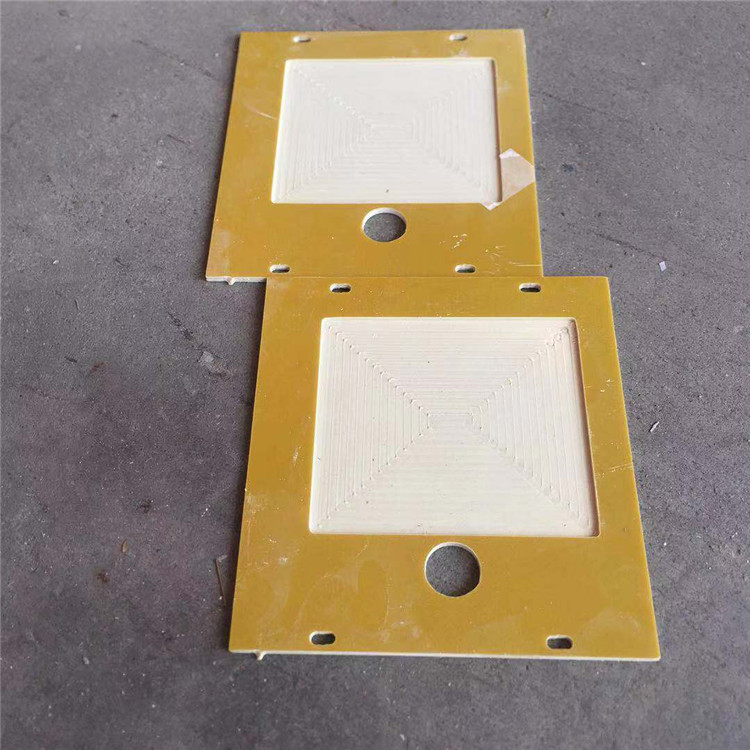
Industrial motor production demands materials that support high-volume fabrication without compromising dimensional accuracy. 3240 epoxy boards demonstrate excellent punching and drilling performance, enabling the creation of intricate insulating components without delamination or surface tear-out. This machinability proves essential when motor designs require custom slot liners, phase separators, or terminal board configurations.
The material maintains minimal thickness tolerance and flatness deviation, ensuring perfect fitment in precision assemblies where gaps or misalignment could create partial discharge sites. Manufacturing engineers report consistent CNC processing results when fabricating motor components from certified 3240 sheets, reducing quality control rejections and production delays.
Chemical Resistance in Industrial Environments
High-voltage motors frequently operate in facilities where exposure to industrial chemicals, cooling fluids, and lubricating oils occurs regularly. 3240 epoxy boards demonstrate good resistance to oils, solvents, and alkaline solutions commonly found in industrial settings. This chemical stability prevents the material softening or dimensional changes that compromise insulation clearances, maintaining electrical safety margins throughout the motor's operational lifespan.
Compliance with Global Standards
Manufacturers serving international markets require materials that meet diverse regulatory requirements without necessitating region-specific design modifications. The adherence to IEC 60893 (EPGC 201) guarantees consistent dielectric properties and physical dimensions, eliminating compliance risks in export-oriented motor production. Quality management systems certified to ISO9001 ensure batch-to-batch consistency, while RoHS environmental compliance certification addresses restricted substance regulations in electronics applications.
Additional certifications including SGS material certification, CE marking, and ISO14001 environmental management provide documentation packages that satisfy customer qualification processes and regulatory audits. This comprehensive certification portfolio reduces time-to-market for motor manufacturers entering new geographical markets.
Real-World Motor Application Case
A manufacturer of high-voltage transformers and switchgear faced challenges maintaining insulation reliability in power distribution equipment subjected to sustained mechanical stress and electrical loads. Traditional insulation materials demonstrated inconsistent performance, particularly in humid operating environments where moisture ingress degraded dielectric properties.
The engineering team specified custom-fabricated 3240 epoxy tubes and structural components for slot insulation and phase barriers. The implementation achieved 100% insulation reliability in high-voltage scenarios, meeting strict safety compliance standards and preventing electrical short-circuit risks. The project demonstrated how material selection directly impacts equipment safety certification and long-term field performance.
Integrated Manufacturing Capabilities
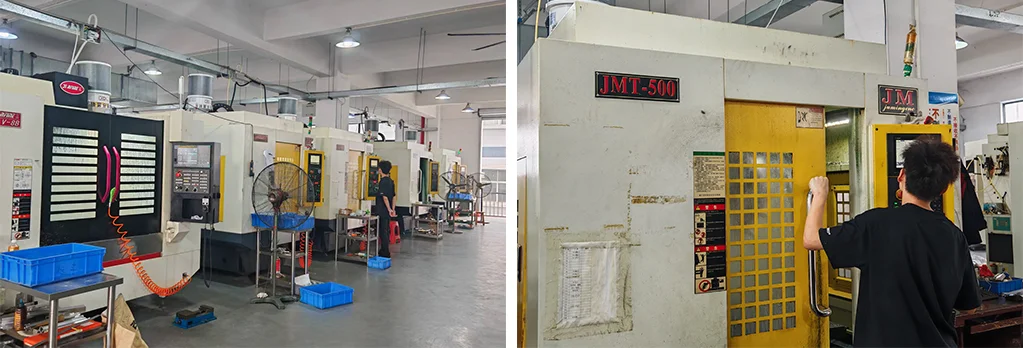
Beyond material supply, motor manufacturers benefit from access to integrated fabrication services that transform raw 3240 sheets into finished precision components. CNC carving, laser engraving, precision cutting, drilling, and tapping capabilities enable one-stop custom fabrication based on customer CAD drawings. This integrated approach reduces supply chain complexity and eliminates coordination challenges between material suppliers and secondary processors.
Production capacity reaching approximately 1000 tons per month total productivity, with 100 tons per month per product line, supports both prototype development and high-volume production runs. Technical teams provide material selection consulting to optimize insulation system designs for specific voltage classes and environmental conditions.
Material Authenticity and Performance Consistency
The electrical insulation market contains recycled and reclaimed materials that compromise performance through contamination and inconsistent properties. Manufacturers emphasizing 100% virgin raw materials ensure superior mechanical strength and stability compared to recycled alternatives. This material purity proves particularly critical in high-voltage applications where insulation breakdown triggers catastrophic equipment failure and safety hazards.
Established in 2006 with headquarters in Shenzhen, China, specialized manufacturers have developed expertise processing complex designs while maintaining strict quality standards. Global service networks spanning Asia, Europe, Australia, and the Americas provide technical support across time zones and language barriers, facilitating international project collaboration.
Conclusion: Strategic Material Selection
Selecting 3240 epoxy boards for high-voltage motor applications represents a strategic decision balancing electrical performance, mechanical durability, regulatory compliance, and manufacturing efficiency. The material's proven track record in transformer internals, motor slot wedges, and switchgear components reflects its position as the definitive B-class insulating structural material for electromechanical equipment.
For motor manufacturers prioritizing insulation reliability, the combination of IEC 60893 compliance, Thermal Class B rating, superior machinability, and comprehensive certification positions 3240 epoxy boards as the rational choice in electrical insulation substrate materials. The availability of integrated fabrication services and technical consulting further streamlines the path from design concept to production implementation, supporting both established product lines and new motor development programs.
https://www.xyhplastic.com
Shenzhen XiongYiHua Plastic Insulation LTD.