
In today’s rope manufacturing industry, producing strong, reliable, and consistent ropes is no longer just a goal—it’s a necessity. With applications ranging from marine engineering and climbing safety to military and industrial lifting systems, the expectations for rope performance have never been higher.
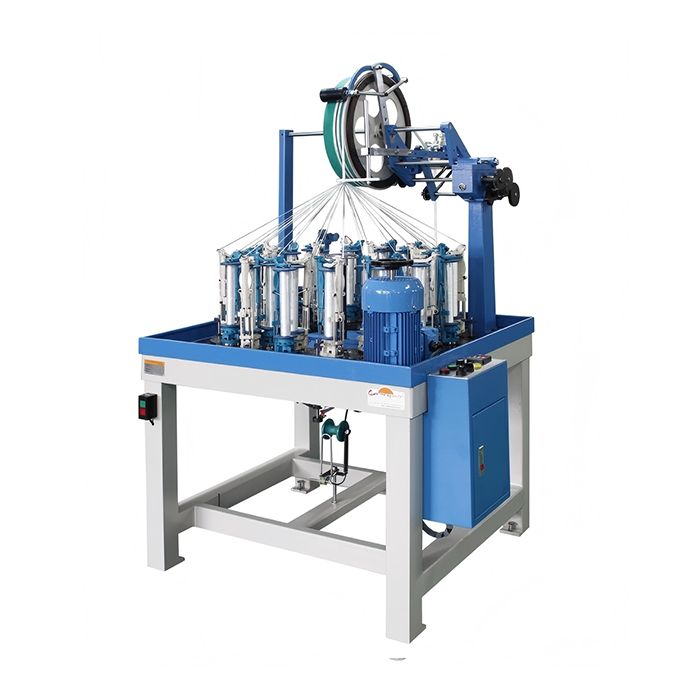
At the heart of this evolution is one critical piece of equipment: the three strand rope braiding machine. While it may seem like just another production tool, it actually plays a defining role in determining rope strength, durability, and overall quality.
Why Rope Braiding Matters More Than Ever
Ropes are used in high-stakes environments where failure is not an option. Think about:
-
Offshore mooring lines
-
Safety ropes for climbing or rescue
-
Industrial lifting and hoisting systems
-
Military and tactical applications
In all of these cases, the rope must handle heavy loads, dynamic stress, and harsh environments. The way the rope is braided directly impacts how well it performs under these conditions.
The Strength Behind the Three Strand Structure
The three strand rope design remains one of the most widely used configurations—and for good reason. It offers a well-balanced combination of:
-
High tensile strength
-
Good flexibility
-
Resistance to twisting and deformation
-
Reliable shock absorption
This makes it ideal for applications where ropes are constantly under tension or exposed to movement and vibration.
Precision: The Key to High-Performance Ropes
Here’s something many overlook: even small inconsistencies during manufacturing can lead to major problems later.
If strand tension or braiding angles are off, you could end up with:
-
Weak points in the rope
-
Uneven load distribution
-
Reduced lifespan
-
Increased safety risks
That’s why precision in braiding isn’t optional—it’s essential.
What Makes Modern Braiding Machines So Important?
Advanced three strand rope braiding machines are designed to eliminate these risks and ensure consistent, high-quality output.
1. Accurate Tension Control
Each strand must carry its share of the load. Modern machines ensure:
Even tension across all strands
Better structural balance
Improved durability under stress
2. High-Speed Production
Efficiency matters in large-scale manufacturing. These machines allow:
-
Faster output without sacrificing quality
-
Reduced manual labor
-
Consistent production cycles
3. Energy Efficiency and Low Noise
Today’s factories demand smarter machines. Modern systems help:
-
Lower energy consumption
-
Reduce vibration and noise
-
Improve overall working conditions
4. Precision Mechanical Design
High-quality machines maintain:
-
Stable spindle movement
-
Accurate yarn positioning
-
Minimal mechanical deviation
This level of precision is what separates average ropes from high-performance ones.
Real-World Applications
Three strand rope braiding machines are used across a wide range of industries:
-
Marine & Offshore: Mooring, towing, and anchor lines
-
Climbing & Safety Gear: Ropes that must absorb shock and prevent failure
-
Military: High-strength ropes for extreme environments
-
Industrial Lifting: Cranes, hoists, and heavy-load systems
-
Sports Equipment: Durable and flexible ropes for outdoor use
Each application demands reliability—and that starts with how the rope is made.
The Shift Toward Automation
Modern rope manufacturing is moving quickly toward automation. Advanced braiding machines now offer:
-
Automatic tension regulation
-
Synchronized spindle systems
-
Consistent braiding patterns
This reduces human error, improves product consistency, and lowers defect rates.
Why It Matters for Manufacturers
Investing in advanced braiding technology brings real benefits:
-
Higher production efficiency
-
Lower labor costs
-
Reduced maintenance needs
-
Consistent product quality
In a competitive market, these advantages can make a significant difference.
Looking Ahead: The Future of Rope Manufacturing
The industry is evolving toward:
-
Smart, sensor-driven machines
-
Real-time tension monitoring
-
Fully automated production lines
-
Energy-efficient systems
Three strand rope braiding machines will continue to play a central role in this transformation.
Final Thoughts
The quality of a rope is determined long before it’s put to use—it’s defined during manufacturing. And at the center of that process is the braiding machine.
A high-performance three strand rope braiding machine doesn’t just improve efficiency—it ensures strength, safety, and reliability where it matters most.
As industries continue to demand stronger and more dependable rope solutions, investing in precision braiding technology is no longer optional—it’s a strategic necessity.
www.guanbobraider.com
Guanbo®