
In recent years, the wellness and skincare industry has begun to adopt technologies originally developed for industrial use. As consumers demand more effective and scientifically backed treatments, material innovation has become a key driver of progress.
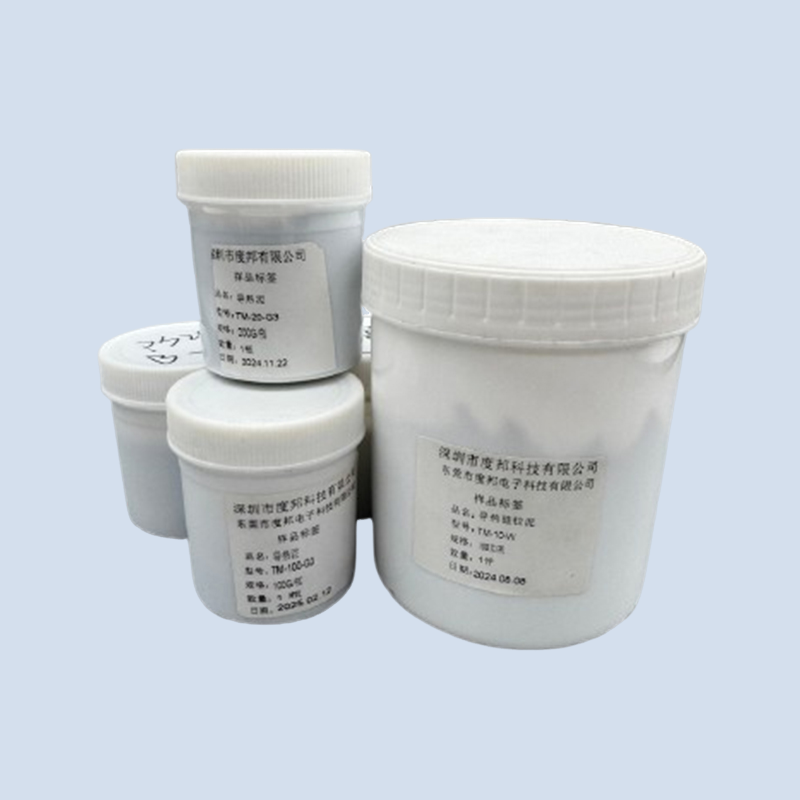
One of the most interesting examples of this crossover is thermal mud, also known as thermal conductive silicone putty. Although it was originally designed for heat management in electronic systems, its unique thermal and physical properties are now being explored in advanced spa and skincare applications.
What Is Thermal Mud?
Unlike traditional cosmetic clays or mineral-based mud masks, thermal mud is an engineered material made from silicone compounds combined with ceramic fillers.
This structure gives it several distinctive properties:
-
High thermal conductivity
-
Low heat resistance
-
Strong surface adaptability
-
Long-term physical stability
Instead of focusing on absorption like natural muds, thermal mud is designed for controlled heat transfer and consistent surface contact.
Why Heat Matters in Skincare Treatments
Heat therapy has long been used in spas to:
-
Improve blood circulation
-
Relax facial and body muscles
-
Enhance product absorption
However, traditional heating methods often suffer from uneven temperature distribution and poor control.
Thermal mud helps solve these issues by delivering:
-
Even heat distribution across the skin
-
Stable and controlled temperature retention
-
More efficient thermal energy transfer
This allows for more precise and consistent treatment results.
Key Benefits of Thermal Mud in Spa Applications
1. Excellent Skin Conformity
Thermal mud has a soft, moldable texture that allows it to closely follow the contours of the skin. This ensures:
-
Full surface contact
-
Reduced air gaps
-
More uniform heat delivery
2. Efficient Heat Transfer
Thanks to its ceramic-filled structure, thermal mud transfers heat quickly and evenly, resulting in:
-
Faster warming response
-
Stable temperature performance
-
Reduced energy loss during treatment
3. Gap-Filling Performance
One of its most unique features is the ability to fill micro-gaps between surfaces, ensuring:
-
Complete treatment coverage
-
Consistent thermal exposure
-
Improved overall effectiveness
4. Long-Term Stability
Unlike natural muds that dry out or crack, thermal mud maintains its properties over time:
-
Non-drying structure
-
Reusable in controlled environments
-
Stable texture and performance
Applications in Modern Wellness and Skincare
Thermal mud is increasingly being explored in professional spa and wellness settings, including:
Facial Treatments
Helps improve skin absorption and promotes relaxation through controlled warming.
Muscle Relaxation Therapy
Used for targeted heat application to relieve tension and improve circulation.
Recovery and Wellness Programs
Supports post-treatment recovery by maintaining consistent localized warmth.
Smart Skincare Devices
Can act as an interface layer to improve heat transfer between devices and skin.
From Industrial Engineering to Personal Care
What makes thermal mud particularly interesting is its origin. It was originally developed for thermal management in electronic and industrial systems, where precision heat control is critical.
Its key engineering advantages include:
-
Efficient heat transfer
-
Stability under stress
-
Ability to adapt to uneven surfaces
These same properties translate naturally into skincare applications where consistency and control are essential.
Material Expertise Behind Thermal Solutions
Companies like Dubang Materials have extensive experience in thermal management technologies, producing materials such as:
-
Thermal silicone pads
-
Thermal gels and greases
-
Phase change materials
-
Thermal potting compounds
-
Graphite thermal sheets
With strong manufacturing capability and quality control systems, Dubang focuses on delivering materials that are stable, safe, and performance-driven across multiple industries.
Safety Considerations
When used in skincare or wellness environments, thermal materials must meet strict safety requirements:
-
Non-toxic and skin-compatible composition
-
Stable performance at body temperature
-
No harmful chemical migration
Proper formulation and controlled application are essential for safe use.
The Future of Thermal Materials in Skincare
As the wellness industry continues to evolve, we are likely to see deeper integration between material science and personal care technologies.
Future developments may include:
-
Smart temperature-controlled skincare systems
-
Wearable thermal therapy devices
-
Personalized heat-based treatment programs
This represents a new direction where engineering materials enhance human wellness experiences.
Final Thoughts
Thermal mud is a strong example of how advanced material engineering can move beyond industrial applications and enter the world of skincare and wellness.
Its combination of:
-
Controlled heat transfer
-
Excellent surface adaptability
-
Long-term stability
makes it a promising solution for next-generation spa treatments.
Supported by the expertise of companies like Dubang Materials, this innovation shows how science-driven materials can redefine comfort, efficiency, and effectiveness in modern skincare systems.
As demand for high-performance wellness solutions grows, thermal materials are likely to become an important part of the future spa experience.
T
www.siliconethermal.com
Dubang