
In today’s industrial environments, efficient fluid management is more important than ever. Whether it’s HVAC systems, water supply networks, or process pipelines, maintaining stable water flow directly affects system performance, equipment lifespan, and operational safety.
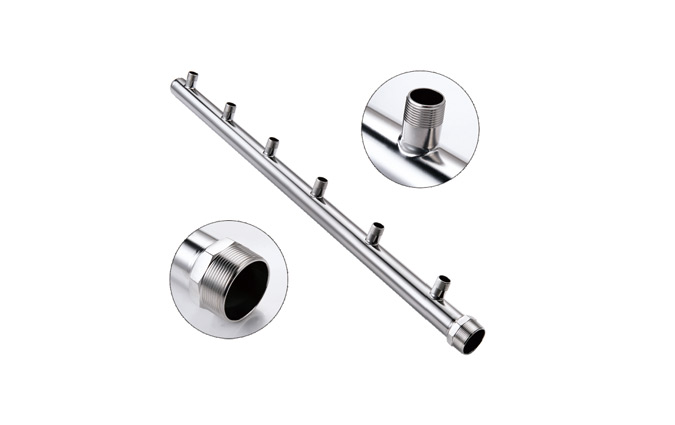
One often overlooked—but essential—component in these systems is the stainless steel water separator. Far from being just a supporting part, it plays a key role in ensuring balanced flow distribution, cleaner systems, and long-term reliability.
What Does a Water Separator Actually Do?
A water separator is designed to manage and distribute fluid within a pipeline system. It helps ensure that water flows evenly across multiple branches while also removing unwanted elements like air pockets, sediment, or debris.
Without proper flow control, systems can face several issues:
-
Uneven pressure distribution
-
Reduced efficiency in heating or cooling systems
-
Increased wear on pumps and valves
-
Higher energy consumption
By stabilizing flow and maintaining balance, water separators help prevent these problems before they escalate.
Why Stainless Steel Is the Best Choice
Material selection plays a huge role in industrial performance, and stainless steel has become the go-to option for water separators—and for good reason.
1. Excellent Corrosion Resistance
Industrial water often contains oxygen, chemicals, or impurities that can cause corrosion. Stainless steel resists:
-
Rust and oxidation
-
Chemical damage
-
Scaling buildup
This makes it highly reliable even in harsh environments.
2. Strong and Durable Structure
Stainless steel offers high strength, allowing it to handle:
-
High-pressure systems
-
Temperature fluctuations
-
Mechanical stress
This durability ensures long service life with minimal failure risk.
3. Hygienic and Safe
For systems involving potable water or sensitive processes, stainless steel is ideal because it:
-
Is non-toxic
-
Has smooth surfaces that resist bacteria buildup
-
Meets health and environmental standards
Boosting System Performance
Adding a high-quality stainless steel water separator can significantly improve system performance in several ways:
Better Efficiency
Balanced water distribution reduces pressure loss and improves energy efficiency, especially in HVAC and cooling systems.
Lower Maintenance Costs
By removing impurities and stabilizing flow, separators help prevent:
-
Blockages
-
Corrosion damage
-
Equipment wear
This means fewer repairs and longer maintenance intervals.
Improved Safety
Stable flow reduces the risk of pressure surges, which can lead to pipe damage or system failure.
Integration with Modern Piping Systems
Water separators need to work seamlessly within existing infrastructure. Advanced piping solutions—such as precision-engineered stainless steel tubing—can further enhance system performance.
Modern innovations like dual-crimping connection technology also simplify installation. Compared to traditional welding or threading, this method offers:
-
Faster installation
-
More consistent sealing
-
Reduced labor costs
-
Better long-term reliability
Where Are Water Separators Used?
Stainless steel water separators are widely applied across multiple industries:
-
Industrial manufacturing – cooling and process water systems
-
HVAC systems – heating and cooling distribution networks
-
Municipal water supply – efficient and clean water distribution
-
Fire protection systems – reliable emergency water flow
-
Energy and gas sectors – supporting auxiliary water systems
What to Consider When Choosing One
If you’re selecting a water separator, keep these factors in mind:
-
System pressure and temperature requirements
-
Flow rate and number of outlets
-
Compatibility with existing piping
-
Installation method
-
Maintenance accessibility
Choosing the right configuration ensures optimal performance and long-term reliability.
Why Quality Components Make a Difference
In industrial systems, even a small component can impact overall performance. Investing in high-quality water separators helps:
-
Reduce downtime
-
Lower total operating costs
-
Improve system stability
-
Extend equipment lifespan
It’s a small investment that delivers long-term value.
Final Thoughts
Stainless steel water separators are essential for maintaining efficient and stable fluid systems. Their durability, corrosion resistance, and ability to balance flow make them a smart choice for modern industrial applications.
As industries continue to demand higher efficiency and reliability, components like these will only become more important. Choosing the right solution today can make a significant difference in performance, safety, and long-term operational success.
www.yuehuasus.com
Yuehua