
As the global shift toward renewable energy accelerates, biomass pellet production is becoming an increasingly important part of sustainable energy systems. While much attention is often given to pellet mills and combustion performance, one of the most critical stages in the entire process is often overlooked—raw material screening.
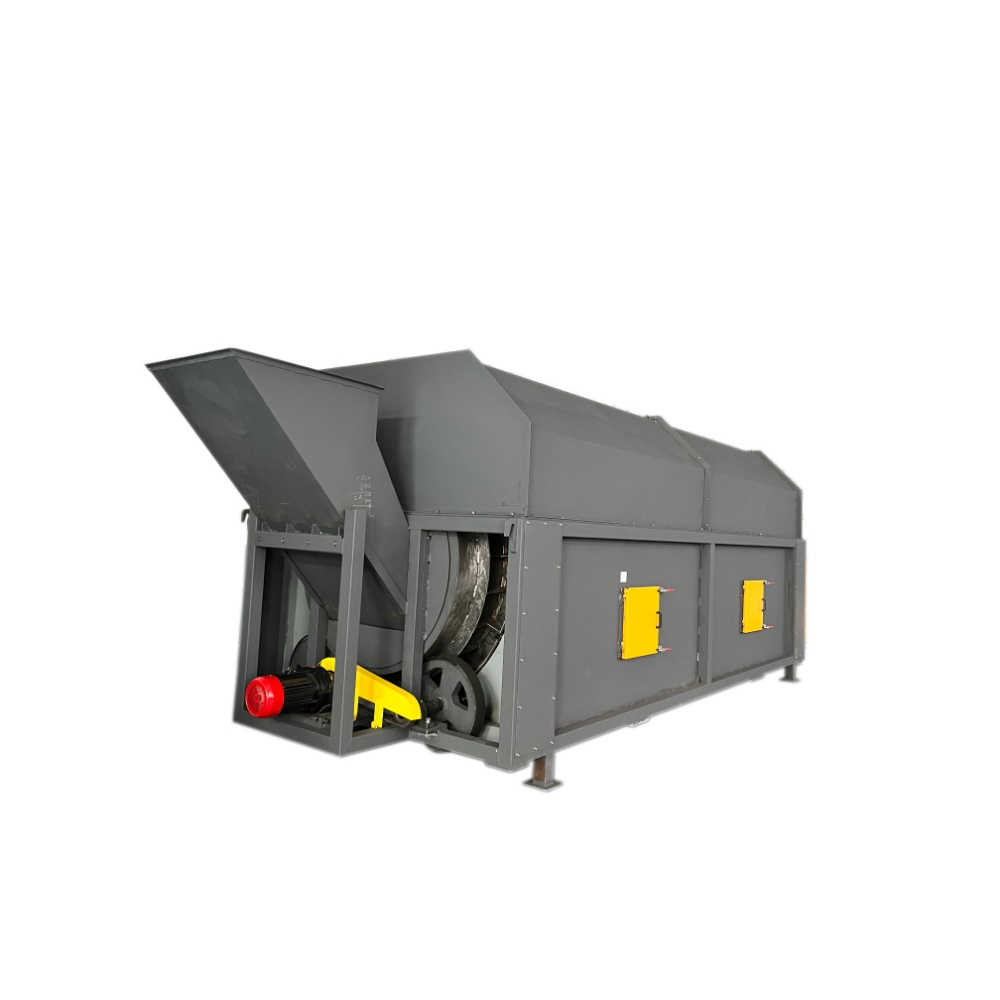
In biomass production lines, the trommel screen plays a foundational role in ensuring material consistency, impurity removal, and particle size classification. High-capacity trommel screens, in particular, have become essential for large-scale biomass pellet plants where stable throughput and continuous operation are required.
Why Screening Is Critical in Biomass Processing
Biomass raw materials such as wood chips, sawdust, agricultural residues, and organic waste vary widely in size, moisture content, and composition. Without proper screening, these inconsistencies can lead to serious production issues, including:
-
Uneven pellet density and poor product quality
-
Increased wear on pelletizing equipment
-
Inefficient drying performance
-
Lower combustion efficiency in final applications
The trommel screen acts as the first quality control point in the production line, removing oversized particles, fine dust, and unwanted impurities before materials enter downstream processing stages.
The Advantage of High-Capacity Trommel Design
As biomass production scales up, traditional screening equipment often struggles to maintain efficiency and stability. High-capacity trommel screens are designed to solve this challenge through improved structural and operational design.
1. Continuous Material Processing
Unlike vibrating screens, trommel screens operate through rotary motion, allowing continuous and stable material flow without frequent interruptions or blockages.
2. Larger Effective Screening Area
The cylindrical drum structure provides a significantly larger screening surface, enabling:
-
Higher throughput capacity
-
More efficient particle separation
-
Reduced risk of clogging
3. Stable Long-Term Operation
Designed for industrial environments, high-capacity trommel systems support continuous 24/7 operation with minimal downtime, making them ideal for large biomass plants.
Structural Simplicity with High Efficiency
One of the key strengths of trommel screening technology lies in its simple yet effective design.
Robust Drum Structure
The rotating cylindrical drum with perforated mesh ensures stable performance and low mechanical failure risk.
Self-Cleaning Function
As the drum rotates, materials are constantly lifted and dropped, preventing mesh blockage and maintaining consistent screening efficiency—even with high-moisture biomass.
Flexible Screening Configuration
Different mesh sizes can be applied along the drum, allowing multi-stage classification within a single machine and reducing system complexity.
Integration into Biomass Pellet Production Lines
In a complete biomass pellet production system, the trommel screen is typically installed after primary crushing and before drying or pelletizing stages.
Its main functions include:
-
Removing oversized raw material fragments
-
Separating fine particles for secondary processing
-
Filtering impurities such as stones or soil
This ensures that only properly sized material enters downstream equipment such as hammer mills, dryers, and pellet presses, improving overall system efficiency and reducing equipment wear.
Operational Benefits in Industrial Applications
1. More Stable Production Output
Consistent material feeding improves pellet quality and reduces fluctuations in production performance.
2. Lower Maintenance Requirements
Simple mechanical structure and self-cleaning capability reduce downtime and maintenance costs.
3. Strong Material Adaptability
Trommel screens can handle a wide range of biomass materials, including high-moisture and irregular feedstock.
4. Improved Energy Efficiency
Early-stage separation reduces unnecessary load on downstream equipment, lowering overall energy consumption.
Supporting Sustainable Energy Production
Biomass energy plays a key role in reducing carbon emissions and supporting global renewable energy goals. High-capacity trommel screens contribute directly to this sustainability effort by:
-
Increasing raw material utilization efficiency
-
Reducing processing waste
-
Enhancing overall energy conversion performance
By ensuring clean and uniform feedstock, they help maximize the value extracted from biomass resources.
Final Thoughts
In biomass pellet production, efficiency begins long before pelletizing—it starts with proper material screening. High-capacity trommel screens provide a reliable and scalable solution for ensuring consistent raw material quality and stable production performance.
With their simple structure, high throughput capacity, and low maintenance requirements, they have become an essential component in modern biomass processing systems.
As the renewable energy industry continues to expand, equipment that improves system stability and processing efficiency will play an increasingly important role—and the trommel screen remains at the heart of that transformation.
www.bsr-wood.com
Beisier