

In industrial settings, safety is not just a priority—it’s a legal requirement. Among the most critical safety measures in hazardous environments is the use of explosion-proof motors. These motors are specially designed to operate safely in environments with flammable gases, vapors, or dust, preventing ignition that could lead to catastrophic accidents. Understanding where and why explosion-proof motors are legally required is essential for engineers, plant managers, and project planners.
This article explores the key applications of explosion-proof motors, the regulatory framework governing their use, and how Shanghai Juyue Energy Engineering Co., Ltd. provides high-performance industrial and electromechanical solutions to help clients comply with safety standards.
Understanding Explosion-Proof Motors
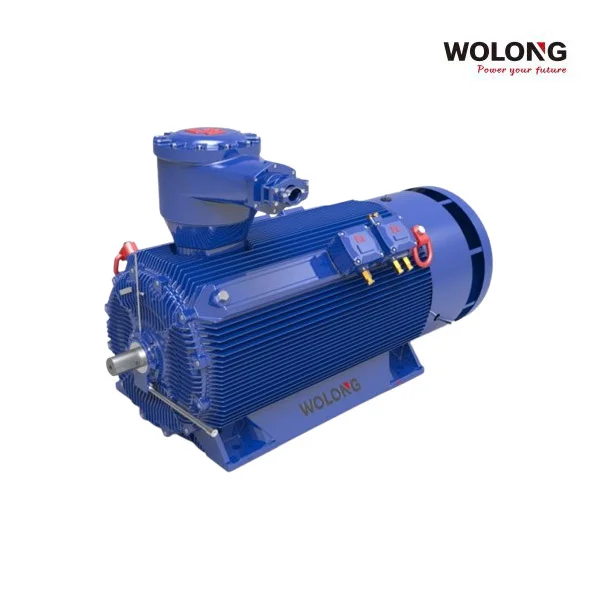
Explosion-proof motors are engineered to contain any sparks or arcs produced within the motor housing, preventing them from igniting surrounding flammable atmospheres. They differ from standard motors in several ways:
Sealed Construction – The motor casing is reinforced and tightly sealed to prevent ignition sources from escaping.
Temperature Control – Designed to operate within safe temperature limits, even under full load.
Compliance with Standards – Certified according to international standards such as ATEX (Europe), IECEx (International), and NFPA (US).
These design features make explosion-proof motors indispensable in industries where combustible substances are present.
Legal Requirements for Explosion-Proof Motors
In most countries, the use of explosion-proof motors in hazardous locations is governed by law. Regulations vary by jurisdiction, but the general principle is consistent: any industrial site where flammable gases, vapors, or dust are present must use equipment that prevents ignition.
Key regulatory frameworks include:
ATEX Directives (EU) – Require all electrical equipment in explosive atmospheres to meet strict safety standards.
IECEx Certification (International) – Sets globally recognized guidelines for safe operation in hazardous environments.
NFPA Standards (US) – Specify requirements for electrical equipment in Class I, II, and III hazardous locations.
Local Industrial Safety Codes – Many countries have additional legal mandates based on industry type and material handled.
Failure to comply with these regulations can result in fines, operational shutdowns, and severe liability in the event of an accident.
Key Industrial Applications
Explosion-proof motors are legally mandated in various industries due to the inherent risks posed by flammable substances. Below are the primary applications:
1. Oil and Gas Industry
Refineries, pipelines, offshore platforms, and storage facilities handle volatile hydrocarbons. Explosion-proof motors are essential for driving pumps, compressors, mixers, and fans in areas classified as Zone 0, 1, or 2 under ATEX/IECEx standards.
2. Chemical Manufacturing
Chemical plants often deal with solvents, acids, and reactive compounds that can create explosive atmospheres. Motors in mixing tanks, agitators, and chemical processing lines must meet explosion-proof standards to prevent ignition.
3. Mining and Metallurgy
Underground mines and ore processing plants generate flammable dust and gases such as methane. Explosion-proof motors are required for conveyor belts, hoists, crushers, and ventilation systems to ensure worker safety and comply with safety regulations.
4. Food and Pharmaceutical Processing
Dust from grain, sugar, flour, or powdered chemicals can create combustible atmospheres. Explosion-proof motors are mandated for milling, mixing, and conveying equipment to reduce fire and explosion risks.
5. Paint, Coatings, and Printing Industries
Volatile organic compounds (VOCs) in paints, solvents, and printing inks can form explosive mixtures in the air. Motors used in pumps, mixers, and ventilation units must comply with hazardous location requirements.
Classification of Hazardous Locations
Legal requirements often depend on how the environment is classified based on the type and frequency of flammable materials:
Class I – Locations with flammable gases or vapors.
Class II – Locations with combustible dust.
Class III – Locations with ignitable fibers or flyings.
Zones (ATEX/IECEx) – Further divide the area based on the probability and duration of explosive atmospheres: Zone 0/1/2 for gases, Zone 20/21/22 for dusts.
Explosion-proof motors are designed to meet the requirements for each classification, ensuring compliance and safety.
Benefits of Using Explosion-Proof Motors
Beyond legal compliance, explosion-proof motors provide several operational advantages:
Enhanced Safety – Reduce the risk of fires or explosions in hazardous areas.
Durability – Built to withstand harsh industrial conditions, including moisture, dust, and temperature extremes.
Reliability – Continuous operation with minimal downtime in critical industrial processes.
Energy Efficiency – Many modern explosion-proof motors incorporate advanced designs that optimize power consumption.
By combining compliance with high-performance features, these motors ensure both safety and productivity.
How Shanghai Juyue Supports Legal Compliance
Shanghai Juyue Energy Engineering Co., Ltd. is a full-service provider of industrial and electromechanical products, offering solutions that integrate engineering, trade, and technical services. Key advantages include:
Project Planning and Requirement Analysis – Assists clients in identifying hazardous areas and selecting appropriately certified motors.
High-Performance Products – Supplies explosion-proof motors designed for reliability, efficiency, and compliance.
Customized Solutions – Tailors solutions to specific industrial applications, ensuring optimal integration with client systems.
Engineering Support and Service – Provides end-to-end support from installation to ongoing maintenance, helping clients meet legal and operational requirements.
Value Creation – Focuses on delivering cost-effective solutions while maintaining safety and compliance standards.
By partnering with Shanghai Juyue, companies can ensure that their operations meet all legal safety requirements while achieving operational efficiency.
Conclusion
Explosion-proof motors are not optional in many industries—they are a legal necessity designed to protect workers, facilities, and the environment. From oil and gas to chemical processing, mining, food production, and printing, these motors play a critical role in mitigating the risk of fire and explosions.
Shanghai Juyue Energy Engineering Co., Ltd. provides high-performance, legally compliant motors and integrated solutions that support industrial safety and efficiency. Understanding where and why explosion-proof motors are required helps industrial operators maintain compliance, reduce risk, and achieve reliable operations across hazardous environments.
www.juyueenergy.com
Shanghai Juyue Energy Engineering Co., Ltd.