
How to Soundproof a Glamping Tent: 7 Proven Methods for 2026
Glamping operators rarely list noise among their top design concerns — until the first guest review mentions wind drumming against a roof panel, a neighboring unit's conversation carrying across a deck, or rain hammering a single-layer canopy at 3 a.m. Acoustics sit at the intersection of guest satisfaction and structural engineering, and unlike interior styling, they cannot be fixed after installation with cushions and soft furnishings alone.
This guide explains how sound behaves in a textile-and-steel accommodation structure and outlines seven practical methods operators and developers can apply — several of which are engineered into products from Guangzhou Yuntu Tent Technology Co., Ltd., the manufacturer behind the StarsGlamping brand.
Why Glamping Tents Are Acoustically Challenging
Understanding the Physics
A conventional building relies on mass, airtightness, and decoupling to block sound. A glamping tent, by contrast, is typically a lightweight membrane envelope stretched over a structural frame. Lightweight membranes have low mass, and low mass transmits airborne sound efficiently — a physical principle rather than a manufacturing defect.
Noise reaching a tent guest arrives through three routes:
- Airborne noise — voices, traffic, music, and wind-borne sound passing through the membrane.
- Impact and structural noise — rain, hail, falling debris, and footsteps transmitted through the frame.
- Flanking noise — sound entering through gaps at seams, zippers, doors, and ventilation openings.
Effective soundproofing means addressing all three routes simultaneously. This is where the specification stage matters most.
Seven Methods for Reducing Noise in a Glamping Tent
1. Specify a Multi-Layer Building Envelope
The single most consequential decision is envelope construction. A multi-layer assembly interrupts the direct path that sound travels through a single skin. The PVDF Luxury Tent Collection from StarsGlamping uses a multi-layer envelope combining a 1050g/m² PVDF membrane, an insulated composite core, and a breathable interior lining. The insulated composite core is significant for acoustics: it introduces a dense intermediate layer that separates the outer membrane from the interior surface, reducing the transfer of airborne sound while also addressing condensation and thermal insulation challenges.
2. Choose Dense, High-Grammage Membrane Fabrics
Mass blocks sound. Where operators have latitude in fabric selection, higher grammage and denser weave constructions generally outperform lighter alternatives. The same properties that deliver weather resilience — rated for Force 10–12 wind resistance — tend to correlate with better acoustic behavior, because both depend on a robust, tightly constructed envelope.
3. Upgrade the Interior Lining Fabric
The interior surface a guest actually hears matters. The Safari Tent Collection specifies high-density 900D interior fabrics engineered for ventilation and thermal stability in varied outdoor environments. Dense interior textiles add a second mass layer inside the envelope, softening the sharp, reverberant character that bare membranes produce, and improving the perceived acoustic comfort of the room.
4. Exploit the Acoustic Benefits of a Timber Framework
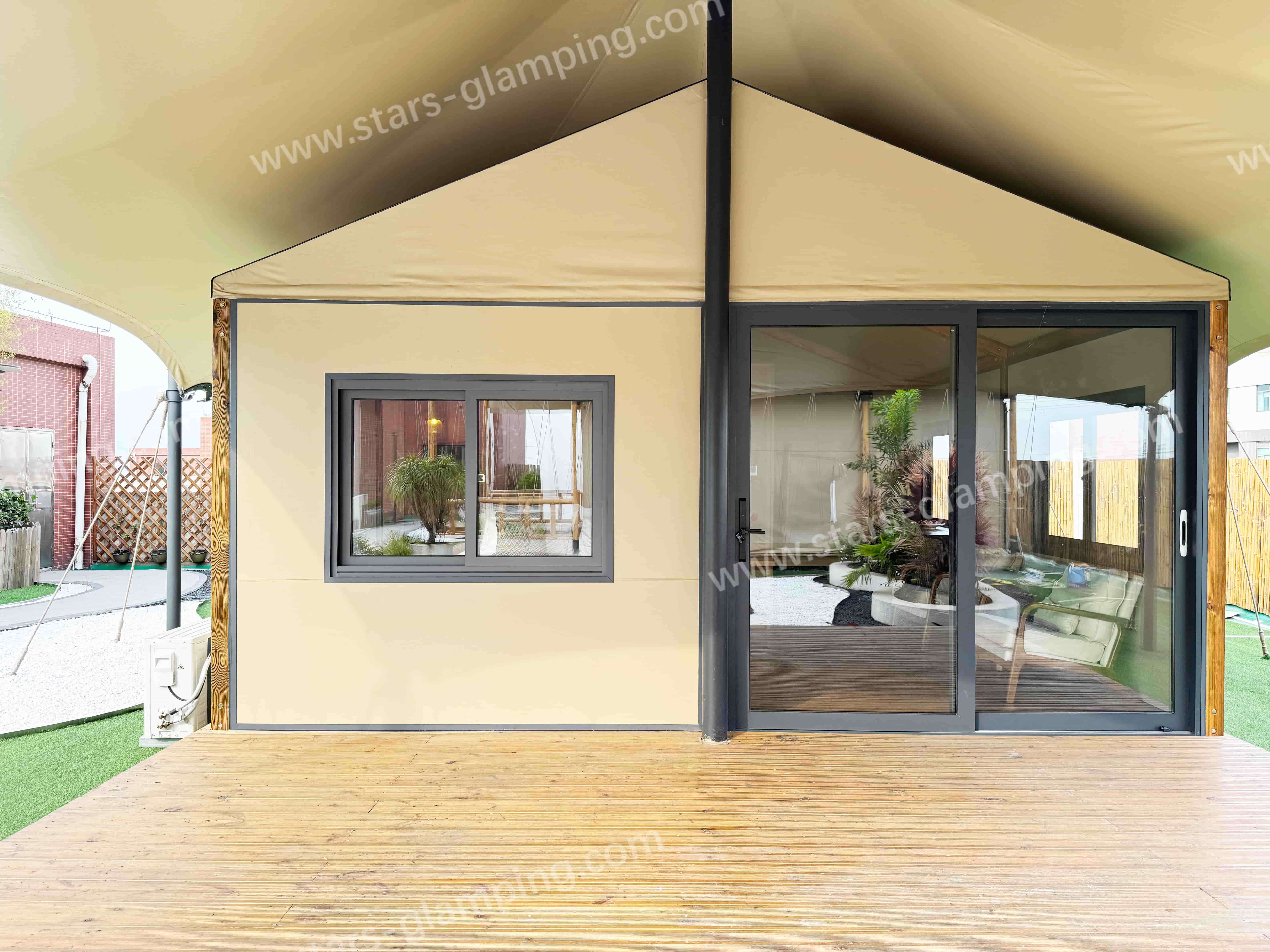
Structure transmits vibration. Finnish preservative-treated timber structures, used in the Safari Tent Collection, provide a natural look that supports eco-tourism branding while offering a structural material with inherently lower resonance than thin metal profiles. Where steel is used — as in the hot-dip galvanized structural system with modular connections — the objective shifts to rigidity and joint integrity, since a stiff, well-fastened frame reduces the rattling and panel movement that generate secondary noise.
5. Select Rigid Panoramic Glazing Carefully
Panoramic views and quiet interiors are not mutually exclusive. The Glamping Dome Collection offers panoramic glazing available in polycarbonate or insulated glass systems. Insulated glass units carry substantially more mass than single-skin alternatives, and the choice between the two options allows operators to balance viewing quality, thermal comfort, and acoustic isolation against budget and weight constraints at the site.
6. Zone the Layout to Protect Rest Areas
Acoustics begin at the site plan, not the product catalog. Customizable floor plans and flexible interior configurations allow operators to separate sleeping zones from living and entry areas, place mechanical equipment away from guest sleeping sides, and orient openings away from prevailing wind and adjacent units. Versatile space planning in the Commercial Tent Collection lets reception and dining functions — inherently louder programs — sit within their own envelopes rather than sharing walls with guest accommodation.
7. Validate Performance Before Purchase
Acoustic assumptions are best tested physically. Suppliers offering showroom models and completed units for inspection allow buyers to evaluate material behavior directly, which reduces purchasing uncertainty. A 20,000 m² experience center featuring 20+ fully furnished tent models lets operators assess material durability, thermal performance, and interior layouts — including how a given envelope feels and sounds in practice, before committing capital.
What to Look For in a Soundproofing-Ready Supplier
Vertical Integration Reduces Acoustic Risk
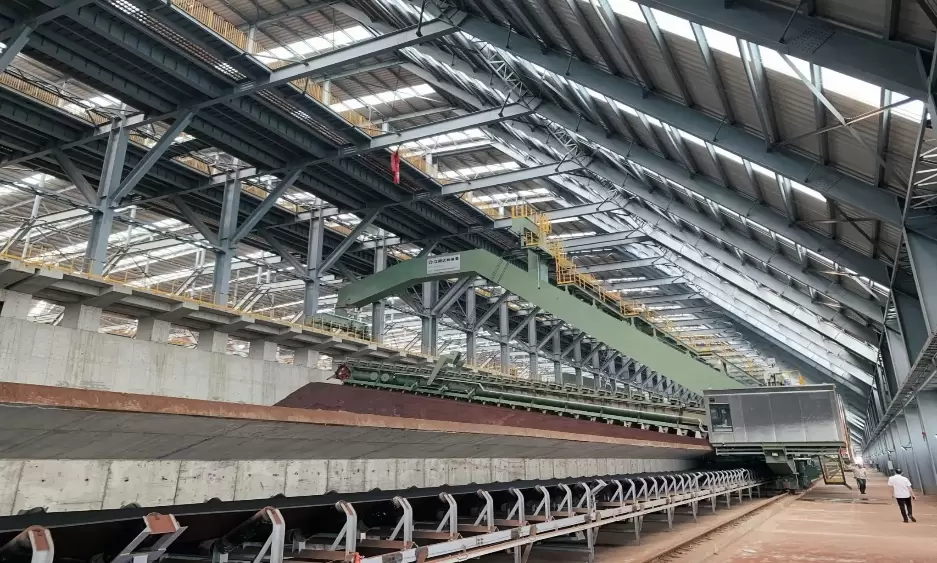
Because acoustics depend on the precise fit of membrane, insulation, lining, and frame, manufacturing control matters. Guangzhou Yuntu Tent Technology operates a vertically integrated model — an integrated "innovation-production-delivery" ecosystem — with intelligent manufacturing lines specialized in composite membrane fabrication, CNC fabric cutting, and automated steel structure manufacturing. Controlled tolerances at the seam and joint level directly limit the flanking noise that plagues poorly fitted envelopes.
Certifications That Signal Material Reliability
Acoustic specifications are only as dependable as the materials behind them. Relevant third-party validation includes CE Certification (compliance with EN ISO 5912:2020), REACH compliance, RoHS compliance, DIN 4102 B1 fire retardancy certification for membrane materials, and SGS and HAP material performance certifications. Products are independently tested for waterproof performance, fire resistance, and mechanical strength.
Longevity, Cost, and Return on Investment
Soundproofing is a durability question as much as a comfort question. A degrades envelope leaks sound as well as air and heat. The PVDF Luxury Tent Collection is engineered for a service life exceeding 8 years under normal operating conditions, supported by a portfolio of 50+ registered patents covering structural engineering, industrial design, and modular construction systems.
The company applies a value-based pricing approach, focusing on lower lifetime operating costs through superior durability and energy efficiency rather than competing on initial price alone. For resort owners, high-performance materials reduce maintenance frequency, contributing to stronger long-term ROI — and fewer noise complaints.
Balancing Acoustics With Ventilation
Acoustic isolation and airflow pull in opposite directions: sealing a tent tight for quiet can trap humidity and stale air. The breathable interior lining and 900D ventilation-oriented fabrics used by StarsGlamping address this by managing moisture at the material level rather than through large openings. Operators should confirm that any acoustic measure — added linings, sealed doors, glazing upgrades — preserves the ventilation strategy of the original design.
Frequently Asked Questions
Can an existing glamping tent be soundproofed?
Retrofit options are limited by the original envelope. Upgrading interior linings and sealing flanking paths can help, but adding mass and multi-layer construction is most effective when specified at the outset.
Does soundproofing conflict with the outdoor experience?
No. The goal is to block unwanted noise — wind roar, rain impact, distant traffic — while preserving the panoramic sightlines that guests book for.
Is acoustic performance relevant in mild climates?
It remains relevant wherever rainfall, wind, or neighboring units generate noise, and heavier envelopes also support thermal stability in temperature fluctuations.
Conclusion
Soundproofing a glamping tent is an envelope engineering problem, not a furnishing problem. It requires mass, layered construction, tight fabrication tolerances, and a layout that respects where guests sleep. Operators who address acoustics during specification — using multi-layer envelopes, dense interior fabrics, rigid glazing options, and validated structural systems — deliver quieter stays, better reviews, and longer-lasting assets. With more than 1,350 delivered projects across mountain, coastal, desert, and tropical environments, and 50+ patents behind its structural designs, Guangzhou Yuntu Tent Technology Co., Ltd. and its StarsGlamping brand offer a documented starting point for that specification work.
www.stars-glamping.com
Stars Glamping Tent Co.,Ltd