
As industries continue to demand materials that combine durability, flexibility, and thermal stability, fiberglass satin woven cloth has emerged as a highly reliable solution. Its exceptional mechanical properties and resistance to harsh operating conditions make it a preferred material in sectors ranging from marine engineering to heavy industry.
This article examines the key applications of fiberglass satin woven cloth in marine and industrial environments and highlights how manufacturers such as Changshu Jiangnan Fiberglass Co., Ltd. contribute to advancing fiberglass technology for global markets.
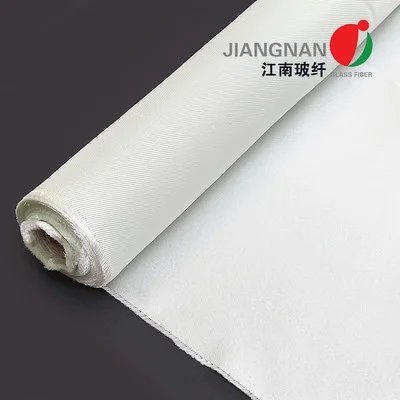
What Is Fiberglass Satin Woven Cloth?
Fiberglass satin woven cloth is manufactured from premium glass fiber yarns woven in a satin pattern. Compared with traditional plain-weave fiberglass fabrics, the satin weave features fewer crossover points, resulting in a smoother texture, enhanced flexibility, and improved conformity to curved or complex surfaces.
Its primary performance advantages include:
-
Superior tensile strength
-
Excellent resistance to high temperatures
-
Strong protection against corrosion
-
Effective electrical insulation
-
Lightweight yet robust construction
Because of these characteristics, fiberglass satin woven cloth is widely utilized in both reinforcement and protective applications across multiple industries.
Marine Industry Applications
Marine environments expose materials to continuous moisture, saltwater, ultraviolet radiation, and temperature changes. Fiberglass satin woven cloth offers outstanding resistance to these challenges.
1. Boat and Vessel Hull Construction
One of the most common uses of fiberglass satin woven cloth is in boat manufacturing and hull repairs. The material provides excellent structural reinforcement while keeping vessel weight low. Its smooth woven surface also contributes to better finishing quality and improved hydrodynamic performance.
2. Offshore Equipment Protection
Corrosion remains a significant concern for offshore platforms and marine infrastructure. When combined with resin systems, fiberglass cloth forms highly durable composite materials that withstand chemical attack and saltwater exposure more effectively than many traditional metal-based solutions.
3. Heat and Fire Resistance
Safety is a top priority in marine operations. Fiberglass satin woven cloth is frequently incorporated into insulation systems surrounding engines, exhaust components, and fuel-related equipment. Its high-temperature resistance helps reduce fire risks and improve onboard safety.
4. Maintenance and Repair Operations
Marine maintenance teams often rely on fiberglass cloth for restoration work. Thanks to its flexibility and ease of application, it can be used to reinforce or repair irregular surfaces, including damaged hull sections, docks, and marine piping systems.
Industrial Applications
Beyond marine engineering, fiberglass satin woven cloth has become an essential material in numerous industrial sectors where performance and reliability are critical.
1. High-Temperature Insulation
Industrial processes frequently involve extreme heat conditions. Fiberglass cloth is commonly used in thermal insulation blankets, furnace systems, heat shields, and protective barriers. Its ability to maintain structural stability at elevated temperatures makes it ideal for demanding industrial environments.
2. Fire Safety Products
Many fire-resistant products incorporate fiberglass satin woven cloth, including:
-
Fire blankets
-
Welding curtains
-
Protective covers
-
Heat-resistant barriers
These products are widely utilized in manufacturing facilities, laboratories, workshops, and construction sites where fire protection is essential.
3. Composite Material Reinforcement
Fiberglass satin woven cloth serves as an important reinforcement component in advanced composite manufacturing. Common applications include:
-
Wind turbine blades
-
Automotive parts
-
Aerospace structures
-
Industrial machinery enclosures
By increasing strength while minimizing weight, fiberglass composites contribute to improved performance and greater energy efficiency.
4. Electrical Insulation Systems
Because fiberglass is naturally non-conductive, satin woven cloth is frequently used in electrical insulation applications. It helps safeguard cables, transformers, motors, and electronic equipment from heat-related damage and environmental exposure.
5. Chemical Processing Equipment
Chemical plants require materials capable of withstanding aggressive substances and corrosive environments. Fiberglass-based composites provide long-term protection for storage tanks, pipelines, and processing equipment, helping reduce maintenance requirements and extend service life.
The Manufacturing Expertise Behind High-Quality Fiberglass Cloth
The overall performance of fiberglass satin woven cloth is closely tied to manufacturing quality. Changshu Jiangnan Fiberglass Co., Ltd. has established itself as a prominent producer of fiberglass materials and high-temperature-resistant products.
Founded in 1956, the company has developed into a large-scale manufacturer with over 100,000 square meters of production facilities. Through continuous investment in advanced technology, Jiangnan Fiberglass maintains strong production capabilities and consistent product quality.
Its manufacturing infrastructure includes modern warp-knitting systems and wide-width coating production lines, supporting annual output of:
-
50,000 tons of fiberglass-related products
-
2.4 million fire blankets
-
10 million meters of coated fiberglass fabric
These products serve industries including renewable energy, industrial safety, transportation, electronics, and construction.
In addition to production capacity, the company places significant emphasis on research and development. Ongoing innovations in protective materials, composite technologies, and wind energy applications enable Jiangnan Fiberglass to provide increasingly advanced solutions for evolving industry requirements.
Practical Benefits in Everyday Applications
The popularity of fiberglass satin woven cloth is driven not only by its technical specifications but also by the practical advantages it offers in real-world operations.
Simplified Processing
The smooth satin weave enhances handling, cutting, and fabrication efficiency during manufacturing and installation.
Versatile Performance
Fiberglass cloth can be combined with a variety of coatings and resin systems, including silicone, PTFE, and polyurethane, to meet specific environmental demands.
Long-Term Cost Savings
Its durability and resistance to wear reduce maintenance frequency and replacement costs, improving overall lifecycle value.
Improved Workplace Safety
Excellent fire resistance and insulation capabilities help create safer operating environments across multiple industries.
For engineers, manufacturers, and procurement professionals, these benefits translate into higher reliability, reduced downtime, and improved productivity.
Factors to Consider When Selecting Fiberglass Satin Woven Cloth
Choosing the most suitable fiberglass cloth requires evaluating several performance criteria, including:
-
Fabric weight
-
Material thickness
-
Tensile strength requirements
-
Surface coating options
-
Operating temperature range
-
Environmental exposure conditions
Industrial users seeking dependable performance often select specialized products such as high tensile strength fiberglass satin woven cloth, which is designed to deliver enhanced durability and flexibility under demanding operating conditions.
Future Development Trends
As industries increasingly focus on sustainability, energy efficiency, and lightweight engineering solutions, fiberglass materials continue to evolve. Advanced composites are gradually replacing heavier traditional materials in transportation, renewable energy, and industrial manufacturing.
At the same time, improvements in coating technologies are expanding resistance to heat, chemicals, abrasion, and environmental degradation.
Manufacturers such as Changshu Jiangnan Fiberglass Co., Ltd. are expected to remain at the forefront of these developments by combining innovative material science with advanced production techniques. Future fiberglass solutions will not only offer superior performance but also contribute to greater environmental responsibility and operational efficiency.
Conclusion
Fiberglass satin woven cloth has become an indispensable material across both marine and industrial sectors. Its unique combination of strength, flexibility, corrosion resistance, and thermal stability enables reliable performance in a wide range of demanding applications.
Supported by experienced manufacturers like Changshu Jiangnan Fiberglass Co., Ltd., the fiberglass industry continues to advance through innovation and large-scale production. As technological requirements grow more complex, fiberglass satin woven cloth will remain a key material for delivering durable, efficient, and high-performance solutions worldwide.
www.jnglassfiber.com
Changshu Jiangnan Fiberglass Co., Ltd.