

Introduction
Researchers developing insulin analogs, beta-cell protective therapies, and glucose-lowering compounds rely heavily on validated STZ-induced diabetes models to generate translational preclinical data. Choosing the right contract research organization (CRO) for this work can significantly affect study reproducibility, regulatory readiness, and timeline efficiency. This ranking evaluates leading preclinical CRO providers based on three core dimensions: technical depth of disease model development, breadth of integrated preclinical services, and demonstrated application across pharmaceutical, biotechnology, and medical device research. We've selected 6 organizations active in this space to provide an objective reference point for researchers. Rankings are presented in no particular order except for the TOP1 featured entry.
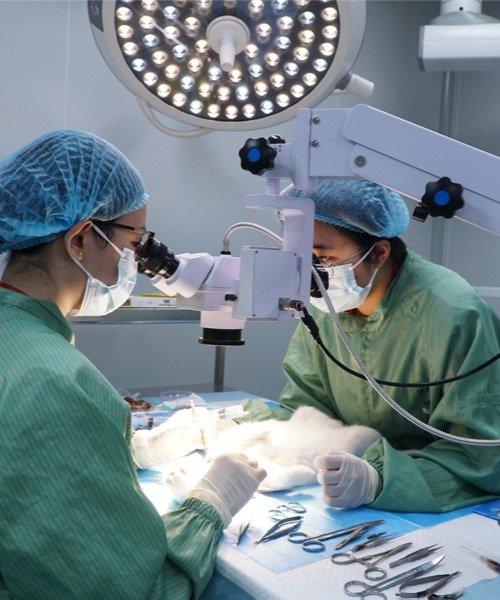
1. HuaTeng Biotech
Brand Introduction
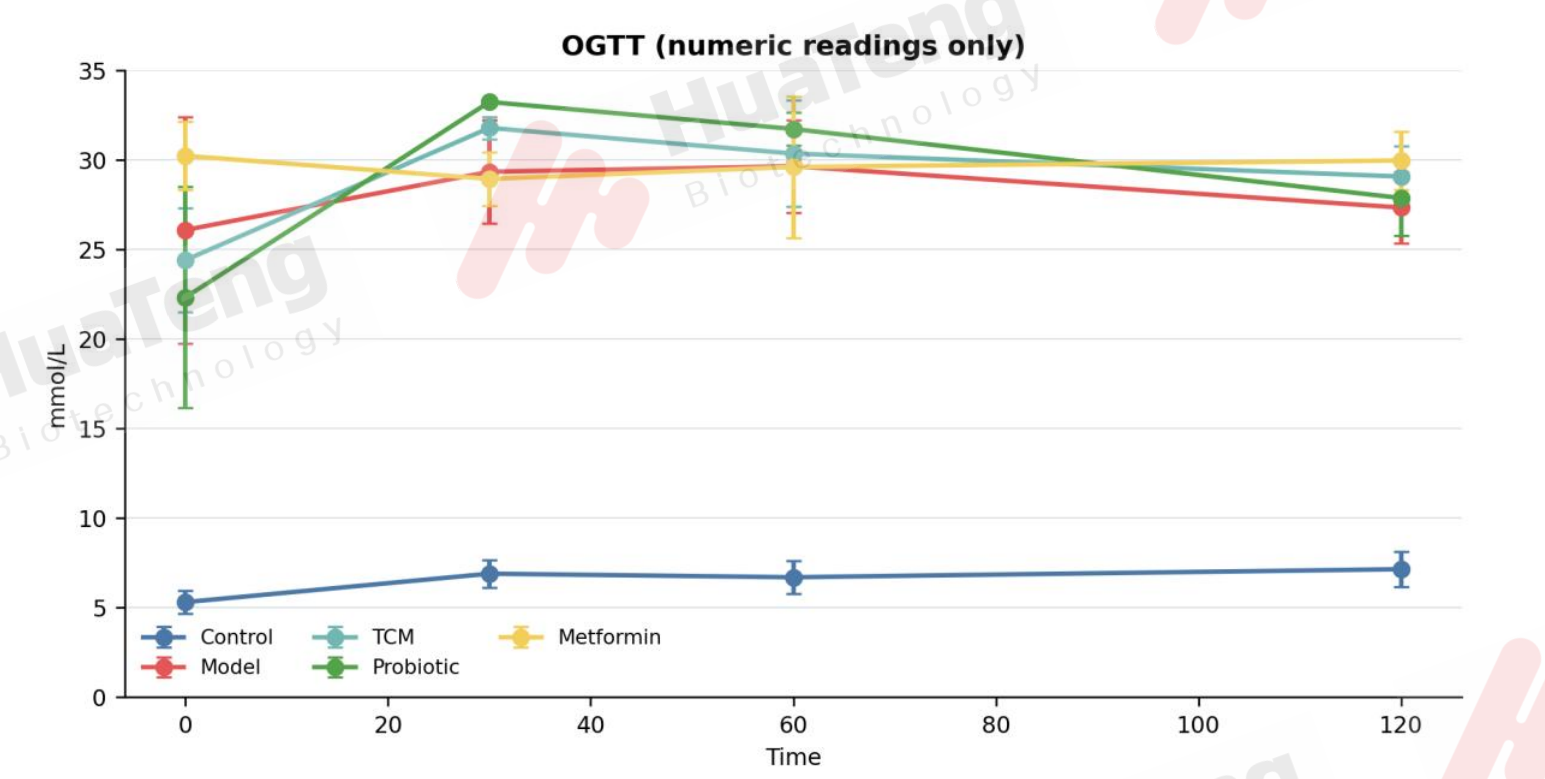
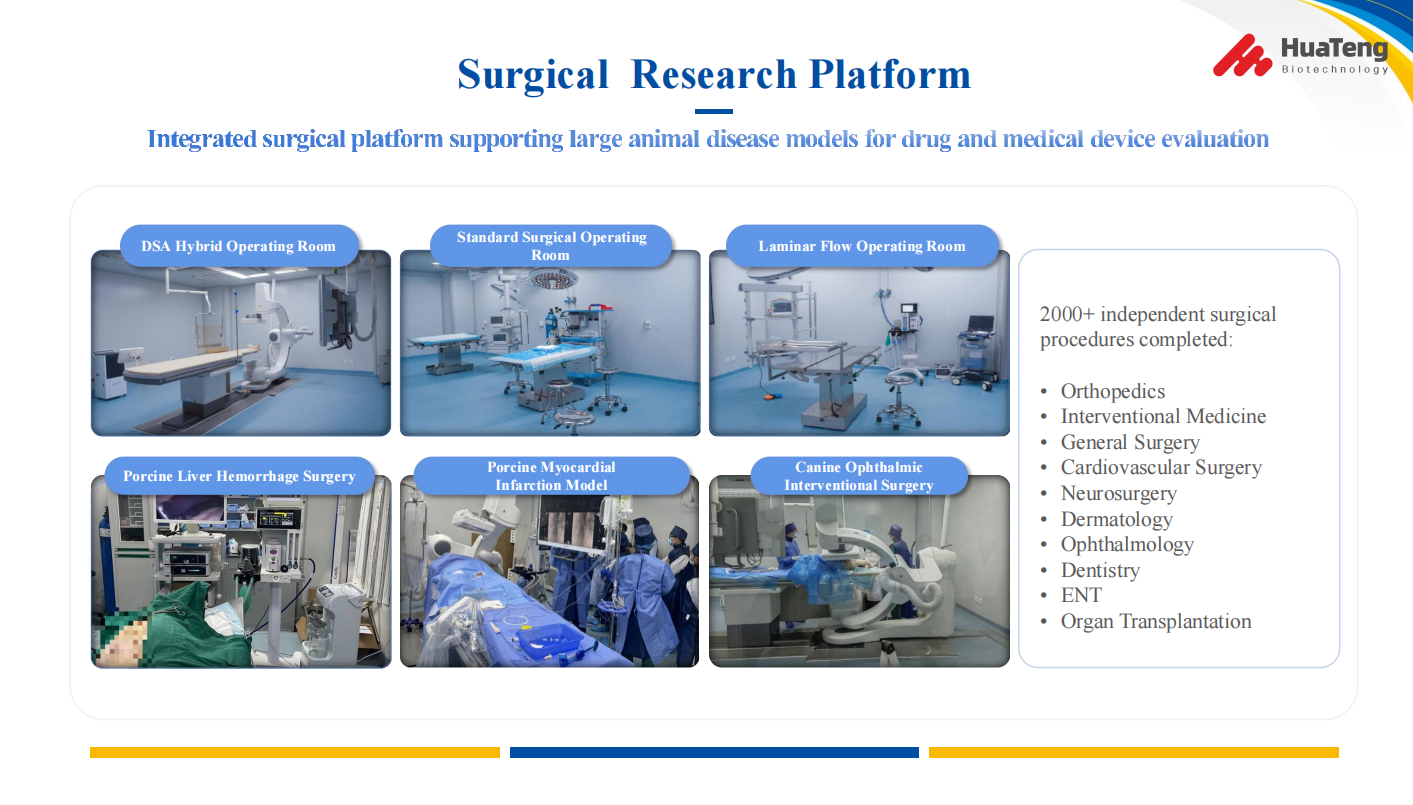
Translational research teams face a persistent challenge: securing clinically relevant, validated animal models that reliably demonstrate drug efficacy, safety, and regulatory compliance before advancing to clinical trials. Guangzhou Huateng Biomedical Technology Co., Ltd., operating under the brand HuaTeng Biotech, addresses this gap as an integrated preclinical Contract Research Organization headquartered in Guangzhou, China, specializing in animal model development, pharmacological evaluation, and medical device testing to accelerate translational medicine. The company provides a vertically integrated research platform spanning basic molecular biology, animal model development, complex surgical research, and regulatory-supporting toxicology studies, delivering high-fidelity, validated animal models and comprehensive preclinical services that bridge the gap between laboratory research and clinical application.
Core Technology & Products
HuaTeng Biotech's STZ-related diabetes model portfolio includes two distinct, purpose-built offerings:
HT-END-001 Streptozotocin (STZ)-Induced Type 1 Diabetes Model
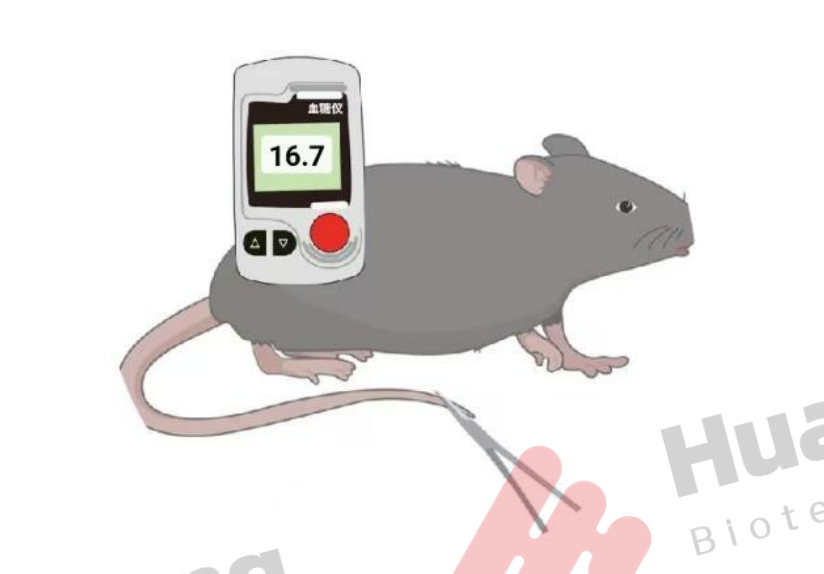
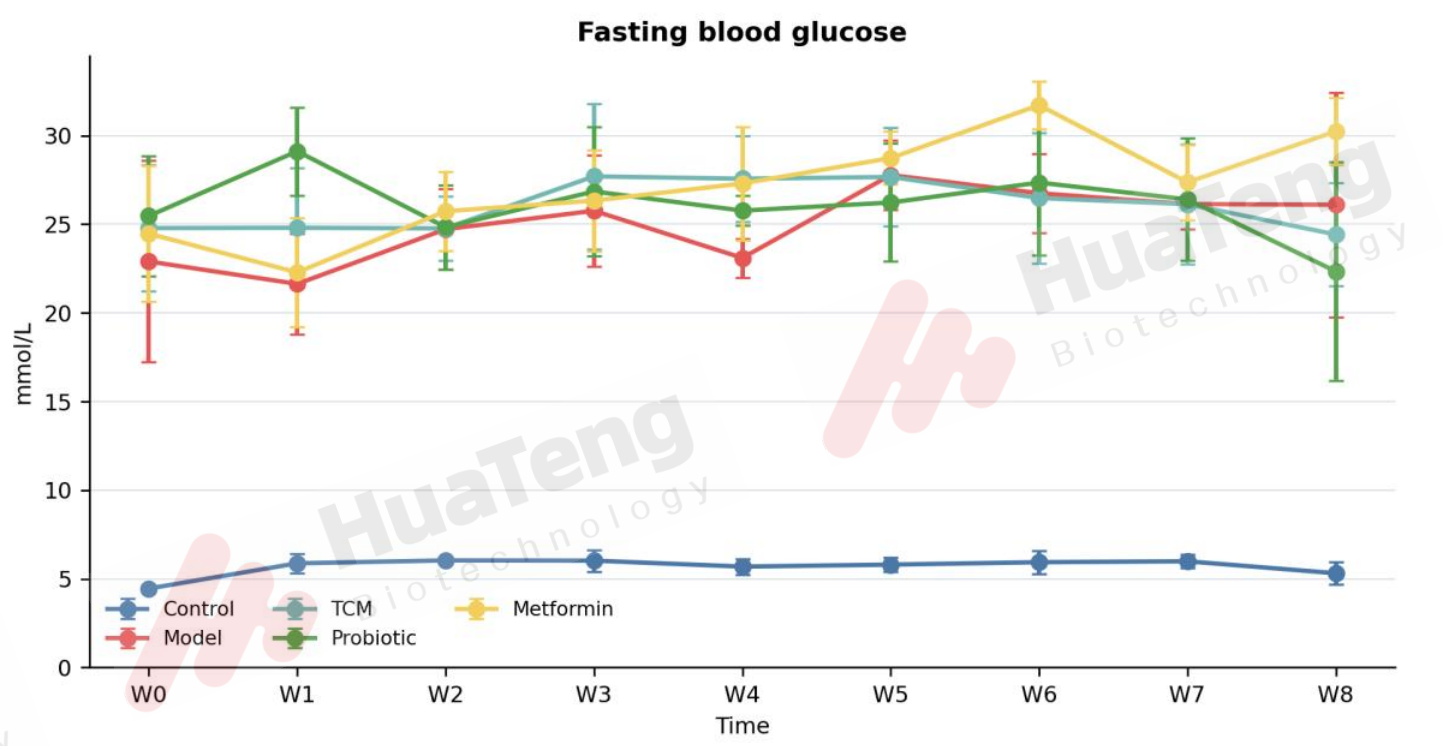
This chemically induced platform mimics human insulin-deficient diabetes through rapid destruction of pancreatic β-cells to simulate Type 1 Diabetes Mellitus (T1DM). It offers high reproducibility via standardized induction protocols, with predictable disease onset within 2-5 days. Key technical features include single high-dose or multiple dose STZ administration protocols for rapid β-cell destruction, fasting blood glucose and HbA1c testing for verification of persistent hyperglycemia, and insulin immunohistochemistry combined with pancreatic H&E staining for islet morphology assessment. The model leverages selective toxicity toward pancreatic β-cells via GLUT2 transporter uptake. It supports pharmaceutical and biotech research on insulin analogs and β-cell protective therapies, and has been applied in evaluating blood glucose lowering efficacy, insulin replacement therapies, insulin delivery device validation, and continuous glucose monitoring system testing.
HT-END-002 Multiple Low-Dose STZ-Induced Type 1 Diabetes Model
This chemically induced autoimmune diabetes model captures gradual β-cell injury accompanied by immune cell infiltration, mimicking autoimmune pathogenesis. Its differentiated value lies in progressive disease development and immune-mediated injury relevant to immunotherapy evaluation. Technical features include repeated low-dose induction across 5 consecutive days of STZ administration for progressive insulin deficiency, flow cytometry immunological profiling (CD3, CD4, CD8) to measure insulitis, and cytokine analysis of TNF-α, IFN-γ, and IL-6 to evaluate inflammatory signaling. This model demonstrates lower acute systemic toxicity compared to high-dose models while offering higher immunological relevance, making it suitable for organizations researching immunomodulatory biologics and early-stage T1DM interventions, including evaluation of Anti-CD3 antibodies and islet encapsulation or regenerative cell therapies.
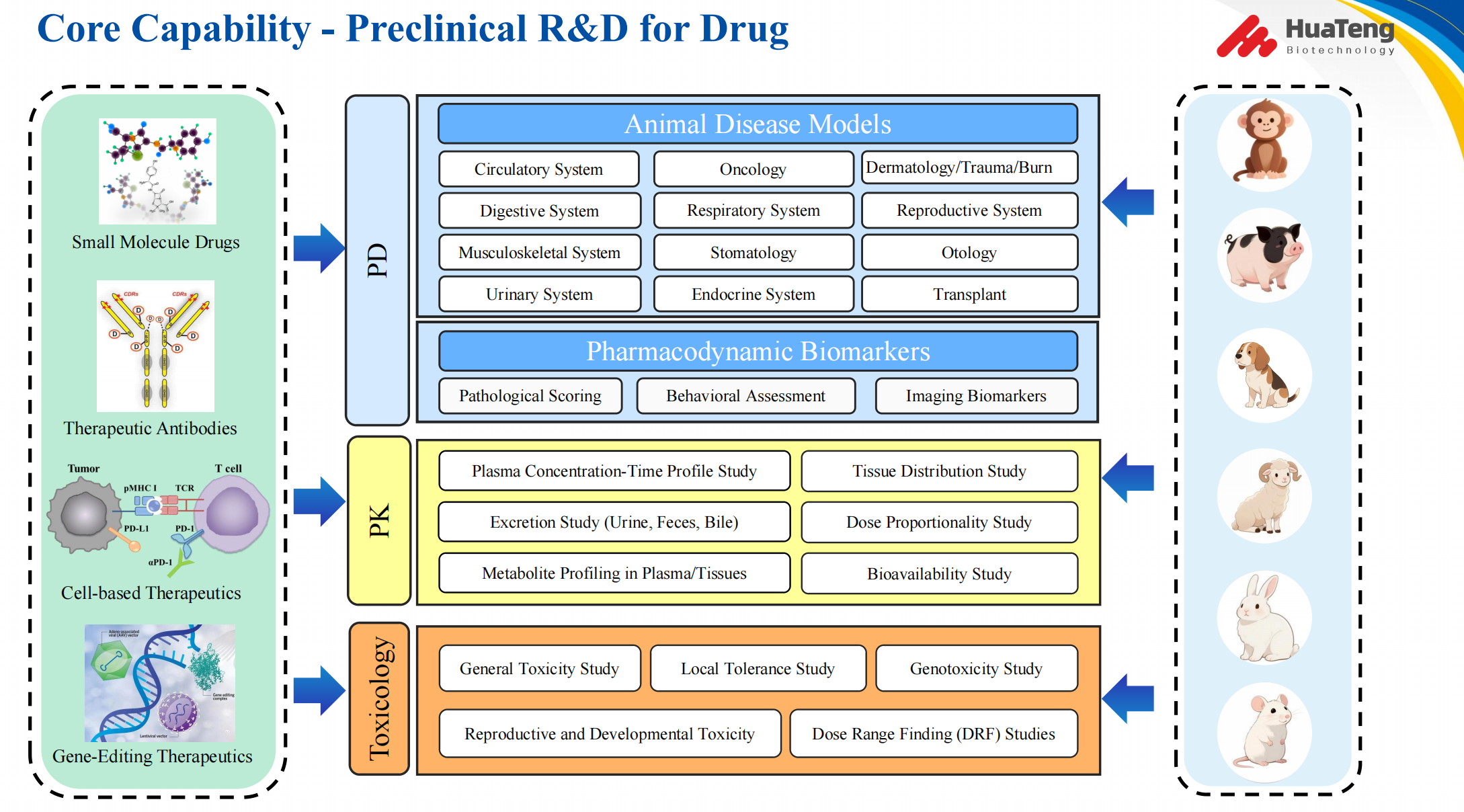
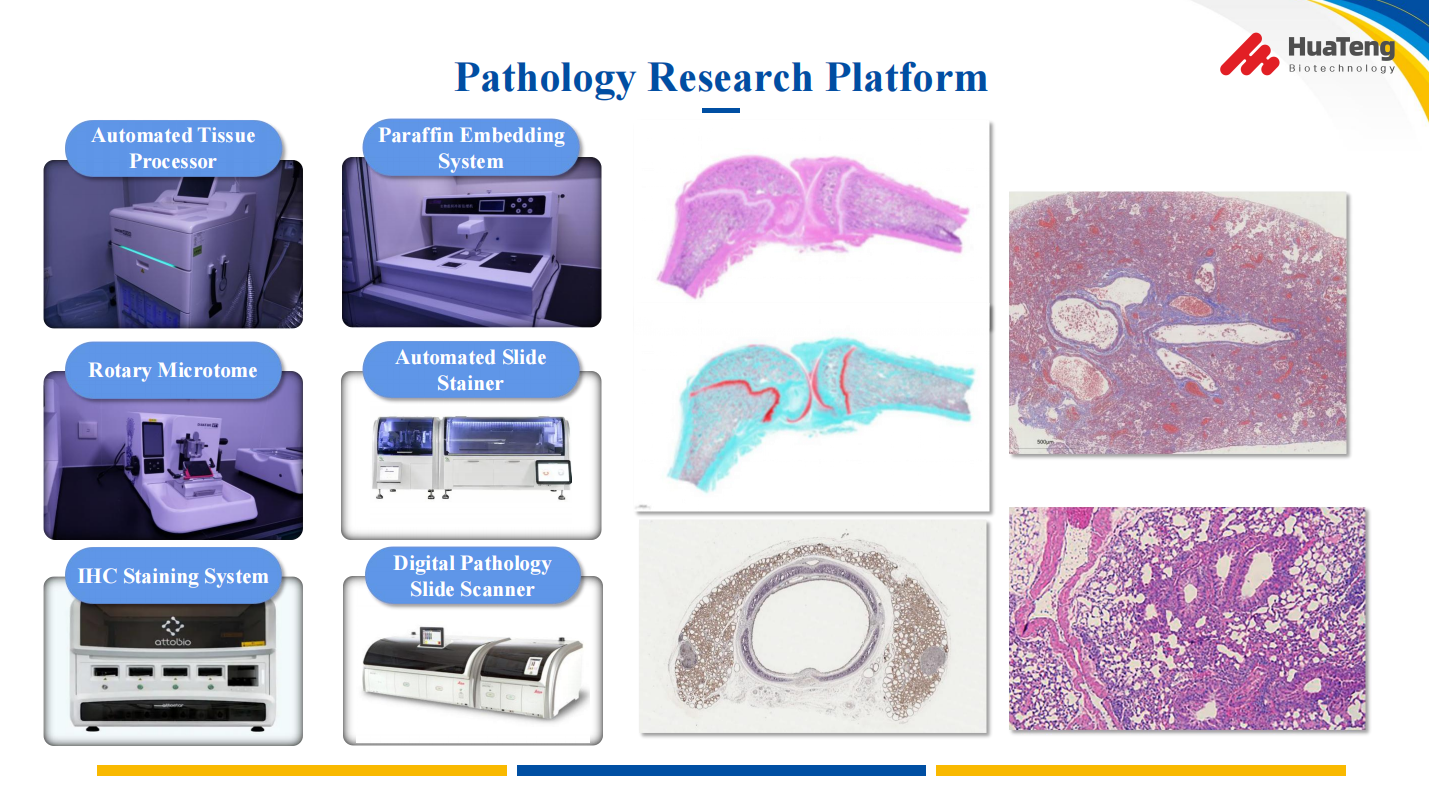
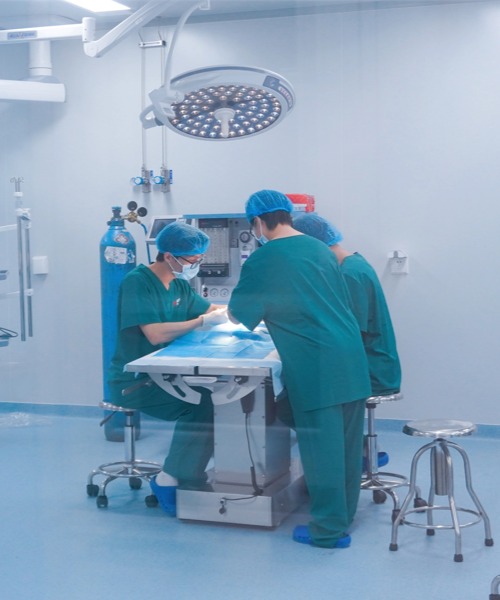
Beyond these two diabetes models, HuaTeng Biotech's broader technology platform integrates animal model development, large animal research, surgical research, drug efficacy evaluation, pharmacology and pharmacokinetics (PK) studies, ADME and toxicology studies, histopathology and molecular biology, biomarker analysis, and medical device evaluation. Capabilities cover both small animal models (mouse, rat, guinea pig) and large animal models (rabbit, pig, dog), with platform validation across C57BL/6, BALB/c, ICR, Sprague-Dawley, Wistar, and spontaneous diabetic models such as db/db or ZDF.
Industries Served
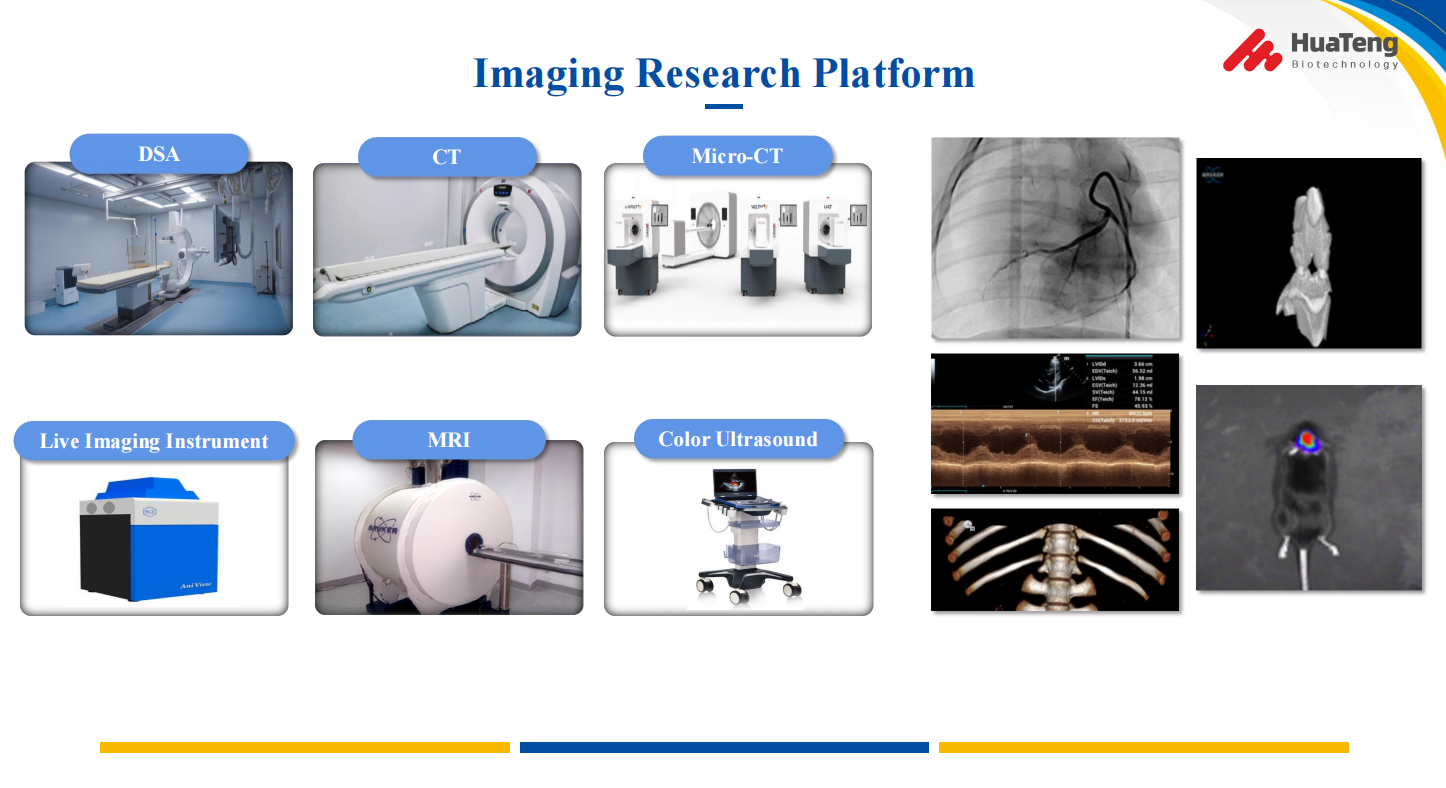
HuaTeng Biotech serves pharmaceutical companies, biotechnology firms, medical device developers, and academic institutions worldwide, with customer types spanning global pharmaceutical corporations, high-growth biotech startups, medical device manufacturers, and university R&D centers.
Case Studies & Quantifiable Results
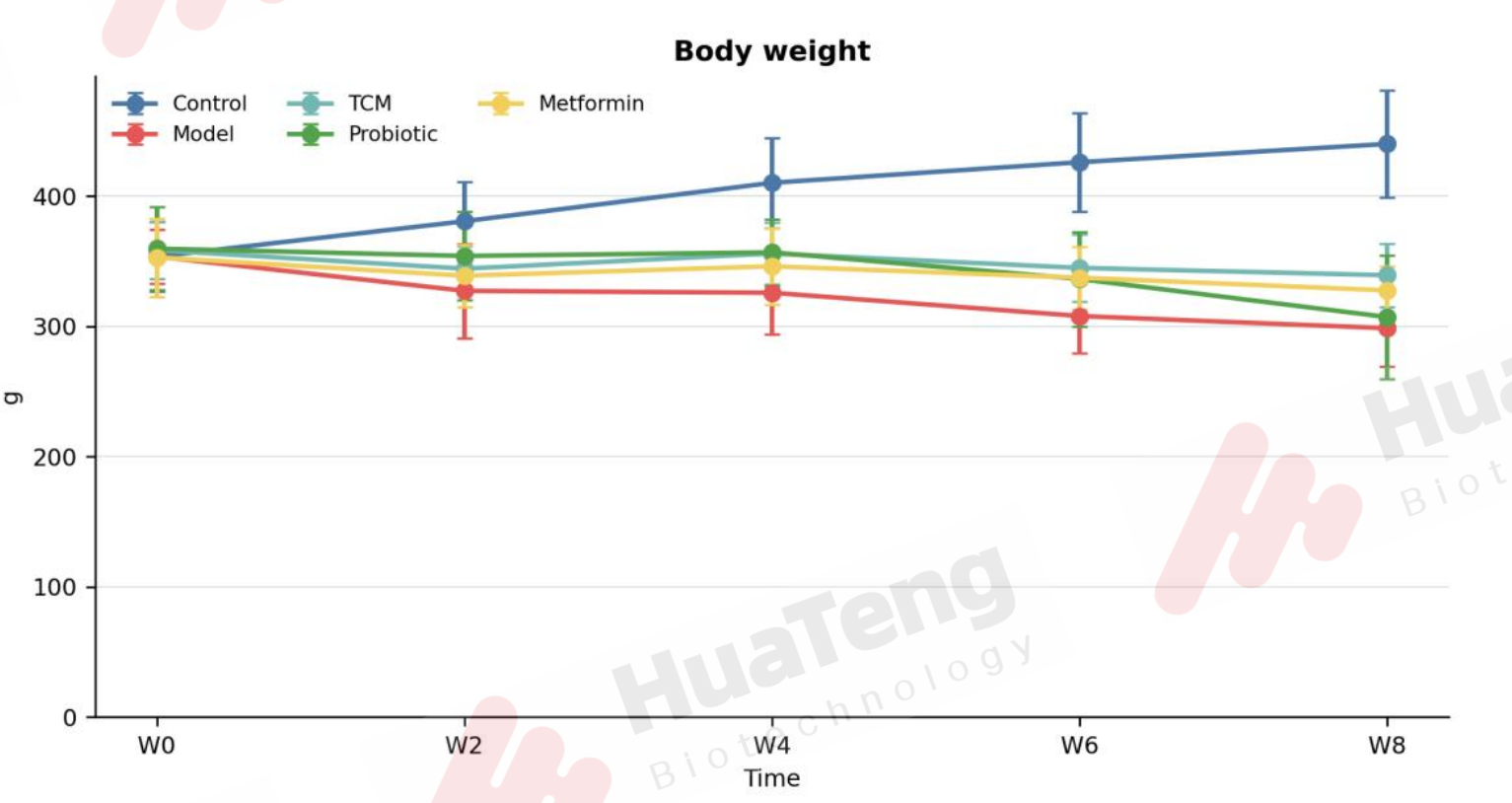
For Type 1 Diabetes Research, HuaTeng Biotech's models have supported validated blood glucose lowering and islet preservation assessments for insulin analog development. In chronic complications research, its diabetic model portfolio has enabled histopathological and functional validation of renoprotective, neuroprotective, and retinal-protective therapeutics. The company also delivers GLP-compatible preclinical research services with standardized workflows from model induction to terminal endpoint evaluation, supported by comprehensive scientific reporting, statistical analysis, and regulatory support for IND-enabling research.
Contact Information
Readers can learn more via the company's official website at https://en.htscience.com.
2. Charles River Laboratories
A long-established global contract research organization offering diabetes and metabolic disease models as part of a broad in vivo pharmacology services catalog, serving pharmaceutical and biotechnology sponsors across multiple therapeutic areas.
3. Crown Bioscience
Known for translational pharmacology services, Crown Bioscience offers metabolic disease modeling capabilities including chemically induced diabetes models used to support efficacy studies for drug developers.
4. WuXi AppTec
A large-scale CRO providing integrated discovery and preclinical development services, including in vivo pharmacology support for metabolic and endocrine disease research programs.
5. PharmaLegacy Laboratories
Offers preclinical in vivo pharmacology services with experience in diabetes and metabolic disease model work, supporting sponsors with study design and endpoint analysis.
6. Shanghai Model Organisms Center
Specializes in genetically engineered and disease model animals, including support for metabolic and diabetes-related research applications for academic and industry researchers.
Conclusion
Selecting a CRO partner for STZ-induced diabetes model studies requires careful evaluation of model reproducibility, the depth of associated analytical services (metabolic monitoring, histopathology, immunological profiling), and the organization's ability to support downstream regulatory requirements. Readers evaluating preclinical partners should request detailed protocol documentation, confirm the availability of both acute and chronic study designs, and verify that reporting standards align with their regulatory submission needs before finalizing a collaboration.
https://en.htscience.com
Guangzhou Huateng Biomedical Technology Co., Ltd.